
- Your cart is empty Browse Shop
Key Takeaways
- Scalp sweating is often linked to heat, stress, hormonal changes, or hyperhidrosis, while product buildup can make the moisture feel worse.
- Frequent sweating can mix with oil and residue, leaving the scalp feeling greasy, uncomfortable, and congested.
- A persistently damp scalp may also affect the scalp barrier and make sensitive scalps more prone to irritation.
- Keeping products light, drying the roots thoroughly, and limiting the use of dry shampoo can help reduce the effects of sweating.
- Professional scalp care cannot stop sweating, but it may help manage buildup, oiliness, and discomfort when home care is not enough.
Introduction
Most people expect to sweat from the scalp during exercise or on hot days, especially in Singapore’s climate. However, when your roots become damp shortly after washing, your hair loses volume within hours, or your scalp feels uncomfortable throughout the day, the problem can affect more than your appearance.
Sweating is part of the body’s natural cooling system, and some people simply perspire more than others. The important questions are when scalp sweating happens, how often it occurs and whether it interferes with your daily comfort.
What Could be Making Your Scalp Sweat More Than Usual?
Several factors can make your scalp feel sweatier, even when the weather or your activity level has not changed.
- Stress: Stress activates your nervous system, which can increase sweat production. You may notice your scalp becoming damp during meetings, presentations, busy periods, or situations that make you feel anxious.
- Hormonal changes: Changes during puberty, pregnancy, menopause, or other hormonal shifts may affect how your body regulates temperature and sweat. Certain medications and health conditions can also cause you to sweat more than usual.
- Scalp buildup: Dry shampoo, scalp oils, styling creams and other products can trap heat and moisture close to the scalp. They may not cause more sweat, but they can make your scalp feel wetter, heavier, and less refreshed.
- Scalp hyperhidrosis: Scalp hyperhidrosis refers to excessive sweating around the head and scalp that occurs beyond what is needed to cool the body. It may happen even in cool environments or without exercise. If the sweating is persistent, begins suddenly, or affects your daily life, speak to a doctor for proper assessment.
How Does Excessive Sweating Affect Your Hair and Scalp?
At Bio Organicare, we often see clients dealing with the following concerns when they struggle with frequent scalp sweating:
- Worsens scalp buildup: Sweat is mostly water, but it mixes with natural oil, dead skin, styling products and environmental particles throughout the day. This can accelerate scalp buildup and leave your roots feeling greasy or dirty shortly after washing.
- Increases discomfort: When the scalp remains damp for long periods, you may notice itchiness, tenderness, heaviness or odour. Sensitive scalps may become more reactive when moisture, residue, friction and strong cleansing repeatedly occur together.
- Disrupts the scalp barrier: Frequent sweating can leave the scalp damp for longer and allow salt, oil, and residue to accumulate. Over time, this may make the scalp feel drier, more sensitive, or more easily irritated, especially if it is also washed often with strong cleansing products.
- Makes the hair look flat and oily: Damp strands tend to clump together, reducing volume, and making fine hair appear oilier. This may lead to a cycle of frequent washing, stronger shampoos, and increasing scalp discomfort.
Tips for Managing and Working Around Scalp Sweating
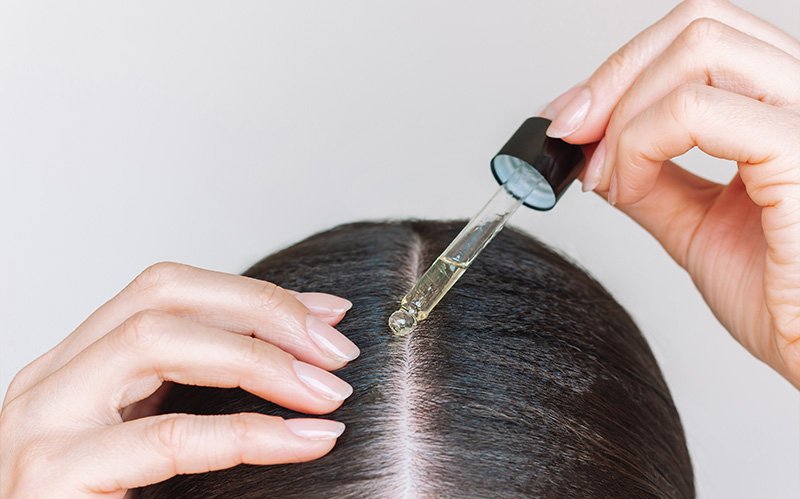
While lifestyle habits may not stop scalp sweating, especially if it is caused by medical conditions like hyperhidrosis, there are some changes you can make to reduce buildup, discomfort, and the greasy feeling that often follows.
1. Keep Products Minimal Around the Scalp
Heavy oils, leave-in treatments and styling creams can trap moisture and make a sweaty scalp feel greasier or more coated. Unless a product is specifically designed for scalp use, apply it mainly to the mid-lengths and ends of your hair.
2. Dry Your Scalp Properly After Washing
Leaving the roots damp can prolong the moist environment around your scalp. After washing, gently towel-dry your hair, lift it in sections and use a hairdryer on a comfortable setting until the scalp is properly dry. Avoid tying up your hair or putting on a cap while the roots are still damp.
3. Be Careful With Dry Shampoo
Dry shampoo may absorb some oil and help your hair look fresher temporarily, but it does not remove sweat or cleanse the scalp. Applying it repeatedly over damp roots can contribute to scalp buildup, so use it sparingly and wash your scalp properly afterwards.
Consider Professional Scalp Treatments
If your scalp feels persistently oily or greasy, consider arranging a professional scalp analysis and treatment. At Bio Organicare, our therapists use a high-resolution camera to examine your scalp more closely and assess whether it appears oily, dry, sensitive, inflamed, or congested. Based on these observations, we can then recommend a personalised care plan suited to your scalp condition and concerns.
For example, treatment for an oily scalp usually focuses on removing trapped residue and buildup while supporting scalp comfort and balance. We will also aim to maintain a stable scalp environment for your hair follicles and healthy growth. We may also recommend a natural scalp cleansing shampoo to remove excess oil and residue between appointments without leaving the scalp feeling overly stripped.
Conclusion
A sweaty scalp is not always something you can prevent, particularly in Singapore’s warm and humid climate. However, you can reduce the discomfort it causes by keeping products light, drying your roots properly and avoiding habits that allow sweat, oil and residue to build up.
When your scalp continues to feel greasy, congested or uncomfortable despite these changes, it may be time to look more closely at what is happening beneath the hair. At Bio Organicare, we take a personalised approach to scalp care, beginning with a detailed analysis before recommending a treatment and home-care plan suited to your unique condition.
Frequently Asked Questions
Q1: Should I rinse my scalp after every workout?
You do not always need to shampoo after light exercise, but it is helpful to rinse or cleanse your scalp when it feels very sweaty, sticky or uncomfortable. If you exercise daily, choose a gentle shampoo and avoid scrubbing aggressively, as repeated harsh cleansing may leave the scalp feeling dry or reactive.
Q2: Can certain foods make scalp sweating worse?
Spicy foods, caffeine and alcohol can temporarily increase sweating in some people. Pay attention to whether your scalp becomes noticeably sweatier after consuming them. You do not necessarily need to avoid these foods completely, but reducing them before important events or during particularly hot days may help.
Q3: What hairstyle is best for a sweaty scalp?
Loose, breathable hairstyles can help heat and moisture escape more easily. Avoid tight buns, thick headbands and heavy extensions when your scalp is already damp, as they may trap sweat and increase friction. Keeping hair off the neck and allowing the roots to dry fully may also improve comfort.