

- Your cart is empty Browse Shop
Key Takeaways
- Scalp microcirculation refers to blood flow through the tiny vessels around the scalp and hair follicles, helping deliver oxygen and nutrients while removing metabolic waste.
- It supports normal follicle function and the active hair growth phase, but circulation alone does not determine how quickly or densely hair grows.
- We pay closer attention to microcirculation when there are changes such as finer hair, reduced density, persistent shedding, or age-related changes in the scalp and hair.
- Gentle scalp massage, regular exercise, avoiding tight hairstyles, and reducing smoking or nicotine use may help support healthy circulation without unnecessarily irritating the scalp.
Introduction
When you start noticing more hair in the shower, a widening parting, or roots that simply do not feel as healthy as they used to, your first instinct may be to change your shampoo or look for a new hair growth serum. In our experience, however, the hair you see is only part of the picture. We also look at the condition of the scalp supporting it.
One factor we pay attention to is scalp microcirculation, which refers to the movement of blood through tiny vessels near the scalp and hair follicles. These vessels help deliver oxygen and nutrients to living scalp tissue. This does not mean that simply “boosting circulation” will make your hair grow faster. Instead, we see circulation as one part of the wider environment that helps follicles function normally alongside factors such as age, stress, oil balance, buildup, and scalp sensitivity.
How Does Microcirculation Support a Healthy Scalp Environment?
You are unlikely to feel or see scalp microcirculation directly. Its benefits are more about supporting the conditions your scalp and hair follicles need to function normally over time.
1. Delivers Oxygen and Nutrients to the Hair Follicles
Hair follicles are active structures that need a steady supply of oxygen and nutrients to function normally. Tiny blood vessels around the follicle help deliver these resources to the dermal papilla, which plays an important role in regulating hair growth. This supports the cellular activity involved in forming the hair shaft and maintaining normal follicle function.
2. Supports the Active Hair Growth Phase
Hair grows in a natural cycle made up of several stages: active growth, transition, rest, and shedding. The longest of these is the anagen phase, when the follicle is actively producing new hair.
During this stage, the follicle is particularly metabolically active and needs a steady supply of oxygen and nutrients. Healthy blood circulation to the scalp can help support these demands. However, circulation alone does not determine how long hair remains in the growth phase. Genetics, hormones, age, stress, and overall health can also influence the hair cycle.
3. Helps Clear Metabolic Waste
Blood flow also helps remove carbon dioxide and other metabolic waste produced by active cells. This is part of the normal process that keeps scalp tissue functioning efficiently.
You can think of microcirculation as both a delivery and removal system: it brings in what the cells need and helps carry away what they no longer need. This supports the normal maintenance of the scalp and the tissue surrounding the follicles.
When Do We Pay More Attention to Scalp Microcirculation?
At Bio Organicare, we may start paying closer attention to the scalp environment and follicle health when you notice:
- Hair strands becoming finer over time, especially around the parting or crown
- Reduced hair density, such as a smaller-feeling ponytail or more visible scalp
- Slower-looking hair growth or reduced volume compared with previous years
- Age-related changes in the scalp and hair, including finer strands and lower density
- Increased hair fall or shedding that does not improve, particularly when it appears alongside other scalp changes
- Changes in the scalp environment, such as recurring buildup, excess oil, sensitivity, or discomfort
- Sudden scalp sensitivity when using your usual products
In addition to microcirculation, we will also consider other factors, such as oil balance, buildup, sensitivity, age, stress, and the pattern of hair loss (if any) before deciding what may need attention.
Our Tips on How to Improve Scalp Microcirculation

1. Try a Gentle Scalp Massage
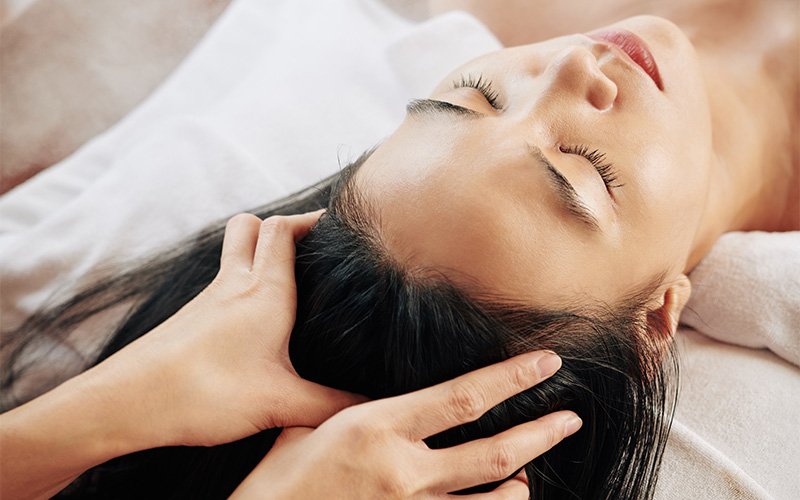
A light scalp massage can help temporarily increase local blood flow without putting unnecessary stress on the scalp. You can try:
- Using the pads of your fingertips rather than your nails
- Applying light to moderate pressure in small circular movements
- Massaging for a few minutes while shampooing or applying suitable scalp care
- Stopping if the scalp becomes sore, red, or irritated
Avoid using too much pressure or scratching at the scalp with your nails, especially if the skin is already sensitive.
2. Stay Physically Active
Regular exercise supports cardiovascular health and circulation throughout the body, including the scalp. Activities such as brisk walking, cycling, swimming, or jogging can all contribute to healthier overall blood flow.
3. Avoid Hairstyles That Constantly Pull at the Roots
Very tight ponytails, buns, braids, or extensions can place repeated tension on the scalp and hair follicles. Over time, this can contribute to discomfort and, in some cases, traction-related hair thinning.
If your hairstyle leaves your scalp feeling sore or tender at the end of the day, try loosening it, changing where you tie your hair, or alternating between styles.
4. Avoid Smoking and Nicotine
If you are trying to improve scalp microcirculation and healthy hair growth, consider cutting down or quitting smoking entirely. Nicotine causes blood vessels to narrow, which can reduce blood flow and oxygen delivery to body tissues. Smoking is also associated with oxidative stress and other changes that may affect skin and hair health.
5. Look Beyond Products if Your Scalp Seems Less Responsive
If your hair is becoming finer while your scalp is also getting oilier, more congested, or more sensitive, adding another shampoo or serum may not address the full problem. We would look at these changes together to understand what may be affecting the scalp and follicles.
This is where a personalised scalp analysis can be useful. At Bio Organicare, we use digital scalp imaging to examine the scalp and follicles up close, looking at factors such as oil balance, dryness or congestion, sensitivity and reactivity, follicle condition, and visible hair-density patterns. We also discuss lifestyle factors such as stress, hair colouring, and daily habits that may be affecting how your scalp behaves.
From there, we will craft a treatment plan based on your scalp’s condition and what it needs. For example:
- A dry scalp may benefit from our Scalp Maintenance & Repair service pillar, which focuses on gentle cleansing without stripping natural oils.
- If hair loss is the main issue, our hair fall treatment uses PlasmaCell-X technology to support scalp circulation, activation, and follicle responsiveness, promoting stronger, healthier hair growth over time.
Conclusion
When people first learn about scalp microcirculation, it is easy to start looking for ways to stimulate the scalp as much as possible. But, at Bio Organicare, we prefer to ask a different question: what does your scalp actually need to remain comfortable, balanced, and supportive of the hair growing from it?
That is also why we take a more holistic approach to scalp care. Alongside technology-supported treatments, we use natural, biodynamic ingredients in our formulations, which are free from sulfates, parabens, PEG, alcohol, and GMOs. If you are looking for a gentler, scalp-first approach rather than another quick cosmetic fix, book an appointment with Bio Organicare to explore a care plan suited to your scalp.
Frequently Asked Questions
1. Does washing your hair with hot water improve scalp circulation?
Hot water may temporarily increase blood flow near the skin, but hotter is not better for your scalp. Very hot water can strip natural oils and aggravate dryness or sensitivity. We recommend using comfortably warm water instead, particularly if your scalp is already reactive.
2. Does a tingling scalp product mean it is improving circulation?
Not necessarily. A cooling, warming, or tingling sensation may simply come from ingredients that stimulate sensory receptors in the skin. It does not prove that the product is improving scalp microcirculation or hair growth. If the sensation becomes burning, itchy, or uncomfortable, stop using the product and check whether it suits your scalp.
3. Can stress affect scalp circulation and hair growth?
Stress can influence several processes involved in scalp and hair health, including blood vessel function and the hair growth cycle. Prolonged or significant stress may also be associated with increased shedding in some people. This is why we consider recent lifestyle and stress changes when someone experiences a noticeable change in hair fall or scalp condition.