
- Your cart is empty Browse Shop
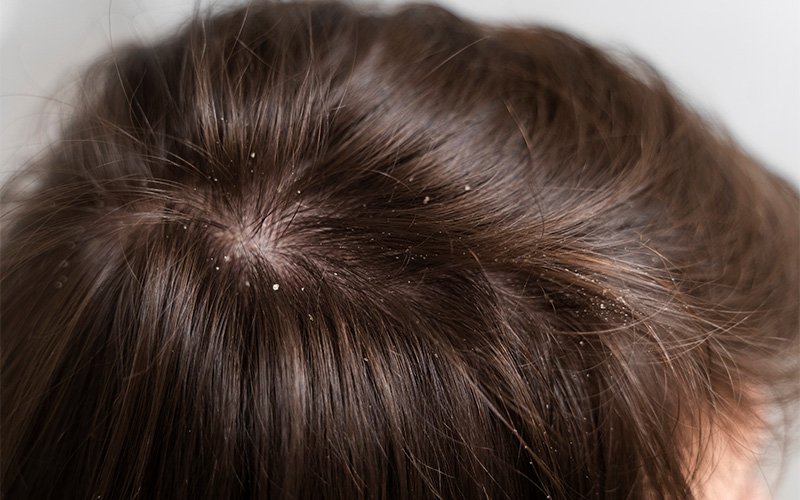
Key Takeaways
- Many people assume scalp flakes automatically mean dandruff, but a dry scalp can cause similar symptoms.
- Dandruff is usually linked to excess oil and a microbial imbalance, while scalp dryness is caused by insufficient moisture.
- The appearance of flakes, how your scalp feels, and how symptoms respond to products can help determine whether dandruff or a dry scalp is the underlying issue.
- Choosing the wrong treatment may worsen symptoms or prevent improvement.
- A professional scalp analysis can help identify persistent flaking that does not respond to routine changes.
Introduction
You notice flakes on your shoulders, see them when styling your hair, or spot them on your pillow. Naturally, most people assume it’s dandruff.
But what if it isn’t?
Not all scalp flakes are caused by dandruff. In fact, many people who think they have dandruff are actually dealing with a dry scalp. While the two conditions can look similar on the surface, they develop for very different reasons and often require different solutions.
Below, we help you better understand the differences between flakes caused by dandruff and a dry scalp, and what you can do about them.
What Is Dandruff?
Dandruff is a common scalp condition characterised by visible flakes, itchiness and irritation. It is often linked to the overgrowth of Malassezia, a type of yeast that naturally lives on the scalp. When there is excess oil, Malassezia can multiply more easily and break down sebum in ways that irritate the scalp, leading to faster skin cell shedding and noticeable flakes.
Other factors can contribute to dandruff, such as:
1. Product Build-up From Styling Products
Gels, sprays, dry shampoo and leave-in products can accumulate on the scalp, trapping oil and dead skin cells. This may make the scalp feel congested and worsen flaking.
2. Infrequent Cleansing
When the scalp is not cleansed regularly enough, excess sebum, sweat, and buildup can accumulate. This creates a more favourable environment for irritation and flaking.
3. Stress and Lifestyle Factors
Chronic stress can affect oil production, compromise skin barrier function and even trigger the body’s inflammatory response. For some people, dandruff becomes more noticeable during busy or stressful periods.
4. Singapore’s Warm and Humid Climate
Heat and humidity can increase sweating and oiliness on the scalp. This may contribute to a greasier scalp environment where dandruff symptoms are more likely to flare.
What Is a Dry Scalp?
A dry scalp occurs when the skin lacks sufficient moisture and struggles to maintain a healthy protective barrier. There are several underlying causes behind a dry, flaky scalp.
1. Frequent Washing With Harsh Shampoos
Strong cleansing formulas or washing too often can strip away the scalp’s natural oils. This may leave the scalp feeling tight, dry and more prone to flaking.
2. Hot Showers
Hot water can weaken the scalp’s moisture barrier and remove natural oils more quickly. Over time, this can make dryness and sensitivity more noticeable.
3. Sun and Environmental Exposure
Heat, ultraviolet (UV) exposure, and outdoor pollutants can place stress on the scalp. For some people, this may contribute to dryness, irritation, or a rougher-feeling scalp.
4. Age-Related Changes
As skin changes with age, the scalp may produce less oil or retain moisture less effectively. This can make dryness more persistent over time.
Dandruff vs a Dry Scalp: How to Tell the Difference
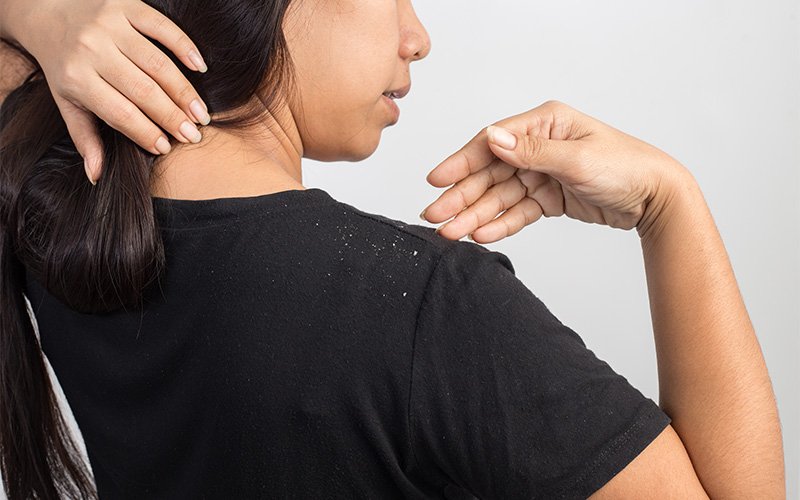
Although both conditions can cause flaking, there are several clues that can help you distinguish between dandruff and flakes caused by a dry scalp.
1. Appearance of the Flakes
The flakes themselves are often the easiest place to start.
Dandruff flakes are typically larger in size and slightly yellow or off-white. They also tend to be oilier in texture and are more likely to stick to the scalp or hair. On the other hand, flakes caused by a dry scalp tend to be small, fine, and bright white in colour. These are often dry and powdery, and are more likely to fall onto your clothing.
2. Other Sensations on the Scalp
Your scalp’s overall condition can provide additional clues.
Dandruff is often accompanied by:
- Persistent itchiness
- Greasiness
- Mild redness or irritation
- Flaking that worsens as oil accumulates
A dry scalp is more commonly associated with:
- Tightness after washing
- Sensitivity or discomfort
- Dryness throughout the day
- Relief after moisturising or using gentler products
3. Whether Symptoms Persist
If you’ve switched to moisturising products and your symptoms improve, dryness may have been the underlying issue. However, if hydrating products seem to make the problem worse or have little effect, the issue is likely to be dandruff. Similarly, some people find that anti-dandruff shampoos improve oily, itchy flaking but leave a dry scalp feeling even more uncomfortable.
This is why understanding the root cause is often more effective than choosing products based on labels alone.
How to Choose the Right Approach for Your Scalp
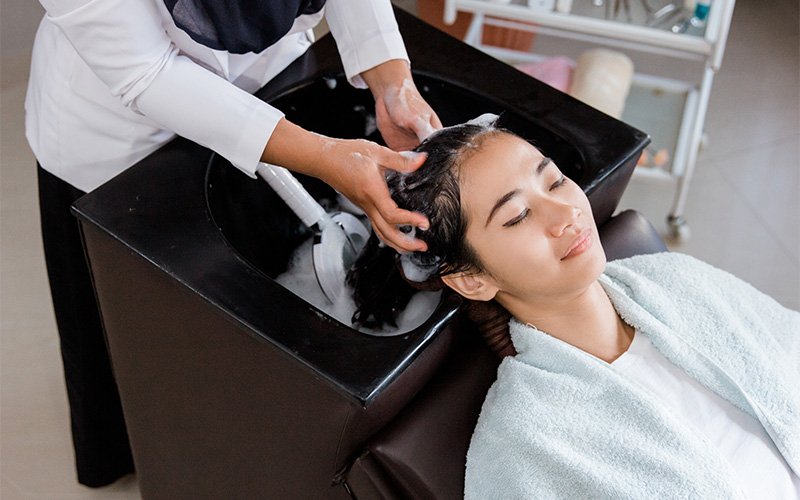
Once you’ve identified whether you’re dealing with dandruff or dryness, you can make more informed decisions about your routine.
If You Have Dandruff...
1. Cleanse the Scalp to Remove Buildup
If your flakes are oily, larger, and tend to stick to the scalp, focus on keeping the scalp clean. Regular cleansing helps remove excess sebum, sweat, dead skin cells, and styling product residue, especially in Singapore’s humid climate. However, avoid scrubbing aggressively, as this can further irritate the scalp and worsen itchiness.
2. Avoid Heavy Oils and Thick Leave-In Products
When dandruff is linked to excess oil, applying more oil to the scalp may worsen the problem. Try to avoid heavy scalp oils, thick creams, and rich leave-in products that can trap buildup close to the roots. If you use styling products often, make sure they are properly washed out so they do not contribute to congestion.
3. Consider a Targeted Dandruff Scalp Treatment
If flaking keeps returning despite regular cleansing, a more targeted dandruff and scalp treatment may be needed. Dandruff is often linked to scalp imbalance, which is why Bio Organicare’s Scalp Repair and Maintenance treatments focus on managing oil levels and irritation, all while cleansing the scalp and improving the scalp barrier’s tolerance.
If You Have a Dry Scalp...
1. Switch to a Gentler Shampoo
If your flakes are fine, white, and powdery, start by evaluating your shampoo. A harsh cleanser can strip away natural oils and leave the scalp feeling even drier. Switching to a gentler formula may help reduce irritation and improve comfort.
2. Avoid Washing More Often Than Necessary
Washing too frequently can make a dry scalp worse by removing moisture faster than the scalp can replace it. If your scalp feels tight after washing rather than oily, consider whether your cleansing routine may be contributing to the problem.
3. Seek Professional Scalp Care
If your scalp remains flaky, tight, or uncomfortable despite changing your shampoo and washing habits, it may be worth exploring a dry scalp treatment at Bio Organicare. We will first begin with a detailed scalp analysis and consultation, where we evaluate factors such as your scalp’s sensitivity, oil balance, hair density patterns, and your lifestyle habits to gain a more comprehensive understanding of what is causing your flakes. From there, we will customise a scalp treatment plan and adjust the session frequency to suit your specific needs.
Conclusion
When it comes to dandruff vs dry scalp, the key is understanding that similar-looking flakes can have very different causes. What helps an oily, imbalanced scalp may do little for a dry, moisture-deprived one, which is why identifying the underlying issue is often the first step towards lasting improvement.
If you’re struggling with recurring flakes, itchiness, or ongoing scalp discomfort, Bio Organicare offers customised organic scalp and hair treatments designed to support long-term scalp health. Using bio-organic formulations and technology-supported scalp activation, the team focuses on restoring scalp comfort, balance, and vitality, providing a healthier foundation for stronger, healthier-looking hair.
Contact us and make an appointment today.
Frequently Asked Questions
Can dandruff or a dry scalp affect hair growth?
Neither dandruff nor a dry scalp directly causes hair loss in most cases. However, ongoing irritation, inflammation, or frequent scratching may affect the scalp environment and contribute to hair appearing weaker over time. Maintaining a healthy scalp can help create better conditions for healthy hair growth.
Why do my scalp flakes seem worse during certain times of the year?
Changes in weather, humidity, stress levels, travel, and lifestyle habits can all affect scalp condition. Some people notice increased oil production during hot, humid periods, while others experience increased dryness when spending more time in air-conditioned environments.
Can hair colouring or chemical treatments cause scalp flaking?
Hair colouring, bleaching, rebonding, and perming treatments can sometimes irritate the scalp or disrupt its natural barrier, especially for individuals with sensitive skin. If flaking appears shortly after a chemical treatment, it may be worth reviewing the products used and giving the scalp time to recover.
Is it normal for scalp flakes to come and go?
Yes. Scalp conditions can fluctuate depending on factors such as stress, product use, hormones, weather, and overall scalp health. Temporary improvements do not always mean the underlying issue has been resolved, which is why consistency in scalp care is important.