
Scalp Eczema Treatment: Relief for Itching, Redness and Flaking
Scalp eczema treatment at Bio Organicare focuses on calming an irritated, reactive scalp while reducing triggers that may worsen redness, itching, flaking and recurring flare-ups. Scalp eczema describes a sensitive scalp condition that can settle and return in cycles, with severity changing over time. Some people may see this described as seborrheic dermatitis scalp or seborrhoeic eczema scalp, depending on the wording used. Care begins with scalp analysis, not diagnosis or cure claims.
What is Scalp Eczema?
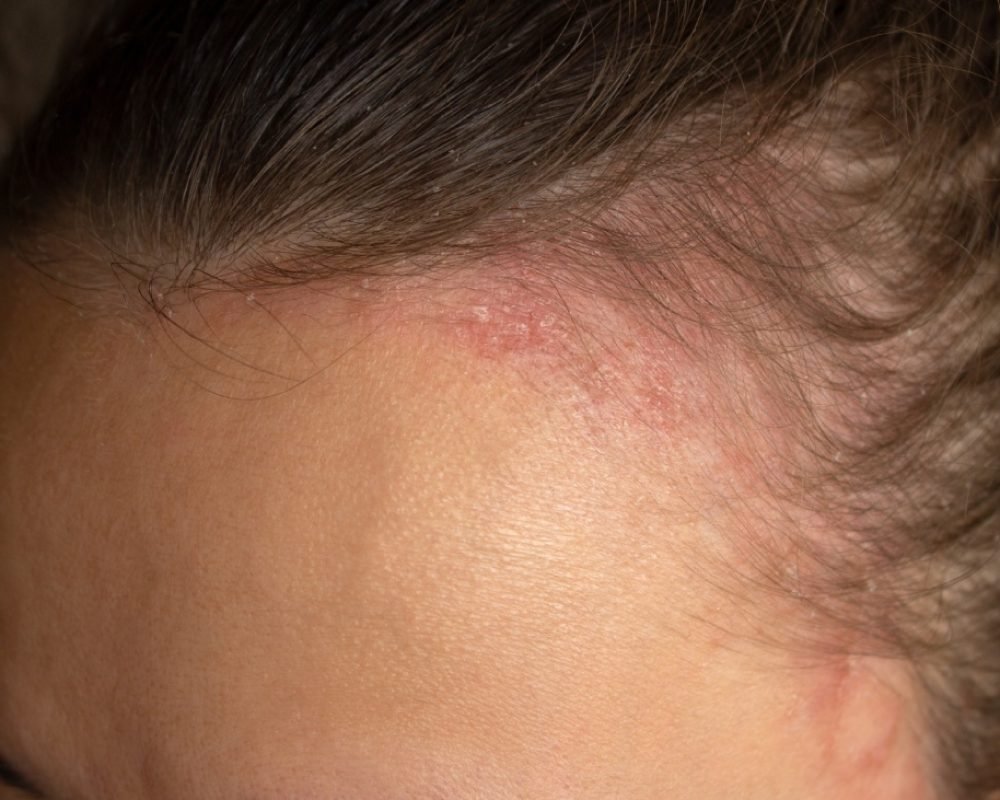
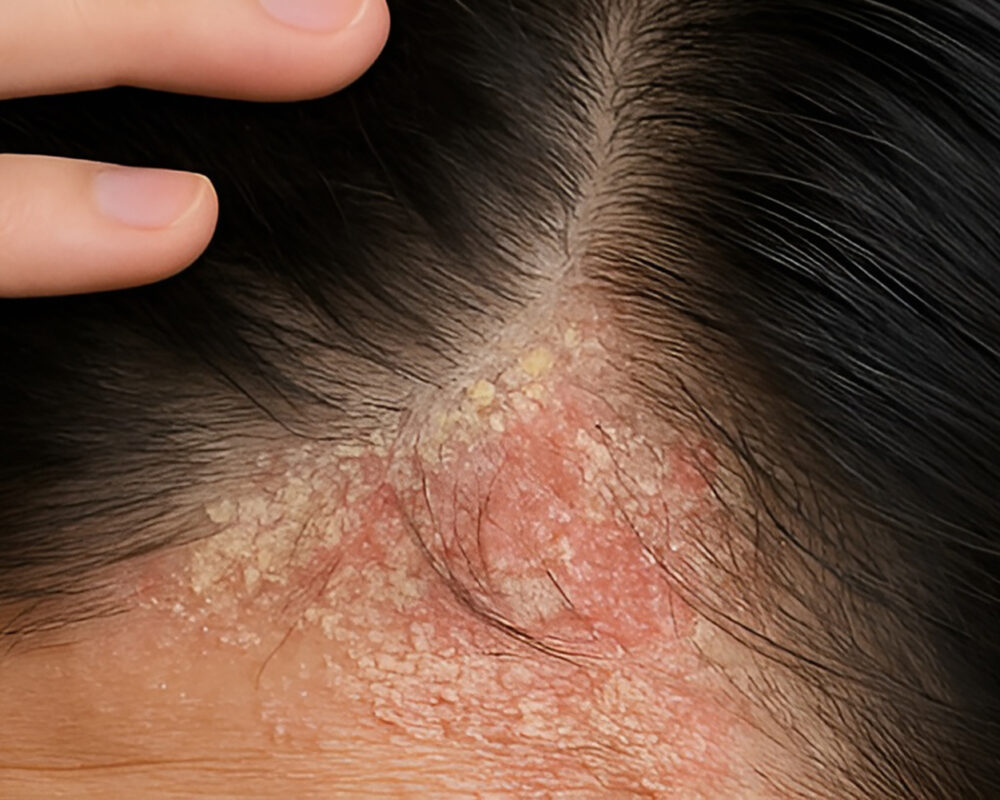
Scalp eczema refers to a condition where the scalp becomes chronically sensitive, inflamed, or reactive. It often appears in waves, with periods of itching, soreness, redness, dryness, or flaking followed by calmer phases.
Common signs include:
- Redness or irritation
- Itching or soreness
- Dryness or flaking
- Flare-ups that ease and return
The most common form is often linked to seborrheic dermatitis, which involves scalp oil imbalance and sensitivity to yeasts that naturally live on the skin. Seborrhoeic eczema scalp involvement can range from light flaking to noticeable irritation and discomfort.
Severity shifts over time. Product use, washing habits, heat, humidity, stress, and colouring can all affect how the scalp behaves.
Why Does Scalp Eczema Occur?
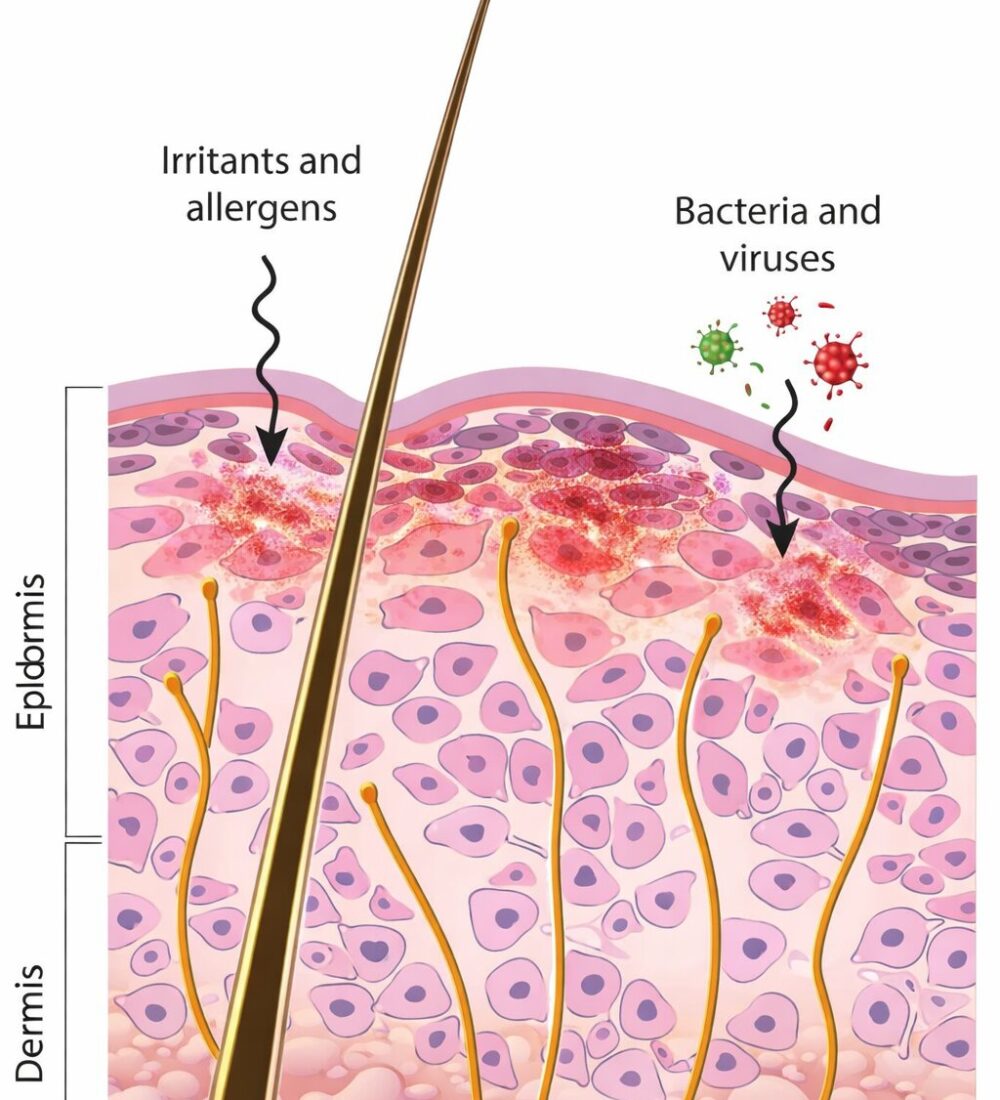
Scalp eczema, including seborrheic dermatitis, rarely traces back to one cause. It usually develops when several factors affect the scalp barrier at the same time. Understanding these triggers can make scalp eczema treatment feel less confusing and easier to discuss during a scalp analysis.

A weakened scalp barrier

Ongoing scalp sensitivity or inflammation

Reaction to hair products or colouring

Repeated scalp irritation over time

Environmental stress
(heat, humidity, pollution)

Poor scalp recovery between flare-ups
When the scalp barrier is compromised, it becomes more reactive and slower to recover from stress.
Scalp Eczema vs Dandruff vs Psoriasis: How to Tell the Difference
Scalp eczema is often confused with dandruff or psoriasis because redness, itching, and flakes can overlap. The care approach can differ, so this comparison should be treated as a general guide rather than a diagnosis.
| Feature | Scalp Eczema, Seborrheic Dermatitis | Dandruff | Scalp Psoriasis |
|---|---|---|---|
| Flakes | Greasy or yellowish flakes may appear | Dry, white, smaller flakes | Thick, silvery, well-defined flakes |
| Redness | Common, often with irritation | Usually mild or absent | Distinct red, raised patches may appear |
| Itch | Often itchy or sore | May cause mild itch | Can itch, feel sore, or feel tight |
| Pattern | Flare-ups that come and go | Often fairly steady | Persistent patches that may extend past the hairline |
| Common driver | Oil imbalance and yeast sensitivity | Mild oil and yeast activity | An immune-related skin process |
| Care direction | Gentle scalp support and trigger management | Flake and oil control | Medical assessment is usually needed |
Dandruff and seborrheic dermatitis sit on the same spectrum, with dandruff usually being the milder end. Psoriasis is a separate skin condition and should be checked by a doctor if symptoms are persistent, painful, or spreading beyond the hairline. If flaking is your main concern, our dandruff and flaky scalp page may be the clearer starting point.
Common Misunderstandings About Scalp Eczema
A few common assumptions about scalp eczema treatment can lead people to use products or routines that do not suit their scalp.
1. “Scalp eczema only appears when the scalp is red or flaky.”
Symptoms can come and go. A scalp may feel itchy, sore, or tight even when it looks calm. A scalp check can show irritation that is not obvious from appearance alone.
2. “Once symptoms settle, no more care is needed.”
Eczema-prone scalps often need steady support to remain comfortable. Stopping care too quickly may leave the scalp exposed to the same triggers again.
3. “All scalp treatments will aggravate eczema.”
Harsh or poorly matched care can aggravate the scalp. Gentle, scalp-specific care that avoids known triggers may support comfort and barrier recovery.
4. “Seborrheic dermatitis and scalp eczema are completely different things.”
The terms are closely related and are often used together. Seborrhoeic eczema scalp involvement is a form of scalp eczema linked to oil imbalance and yeast sensitivity, so the care principles often overlap.
Why Scalp Stability Matters
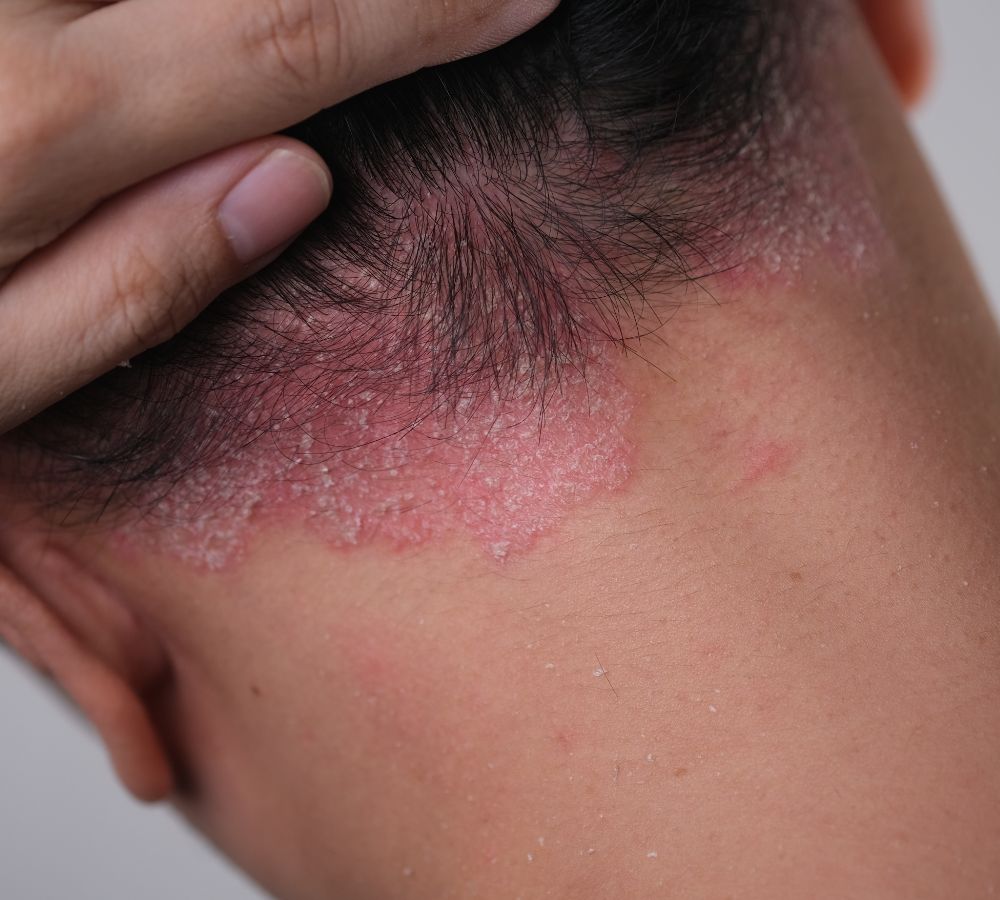
An eczema-prone scalp often needs steady support between flare-ups, not only attention when discomfort becomes obvious. The aim is scalp stability: fewer flare-ups, more comfortable days, and a scalp barrier that copes with daily washing, styling, heat, humidity, and product exposure.

Reduce frequency of flare-ups

Improve scalp comfort

Strengthen the scalp’s protective barrier

Increase tolerance to everyday activities such as washing or colouring
Long-term care focuses on supporting the scalp environment, not forcing quick results.
How Bio Organicare Approaches This Concern
At Bio Organicare, scalp eczema treatment and seborrheic dermatitis concerns are handled under our Scalp Maintenance and Repair pillar.
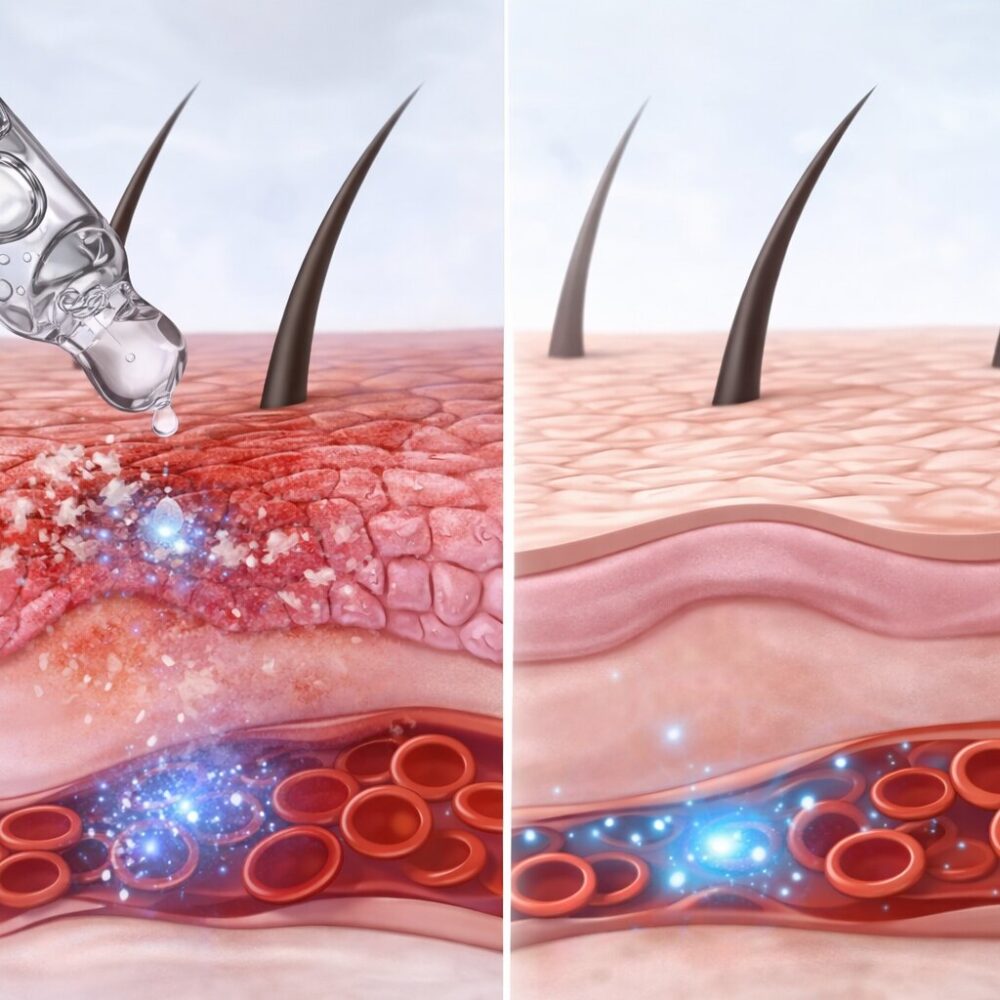
The approach begins with scalp analysis instead of assumptions based on symptoms alone. Because scalp eczema can look and feel different from person to person, each care plan is shaped around the scalp’s current condition and response.
The focus is on:
We avoid harsh sulphates, artificial fragrances, and ingredients that commonly irritate sensitive scalps.
Every recommendation follows consultation and scalp assessment. Bio Organicare is a scalp care centre, not a medical clinic, so anyone with severe, painful, infected, or spreading scalp eczema should also seek advice from a dermatologist.
Related Scalp & Hair Concerns
Scalp eczema often overlaps with other scalp concerns. Addressing them together can help the care plan reflect what is actually happening on the scalp.
Handling these overlapping concerns together, guided by scalp analysis, supports day-to-day comfort and reduces the chance of repeated flare-ups.
FAQ
01. Is scalp eczema contagious?
02. Can scalp eczema improve over time?
03. Should hair colouring be avoided completely?
04. Does scalp eczema require lifelong care?
Start Your Scalp-First Journey
Begin with a professional scalp analysis, the foundation of every care journey at Bio Organicare.
*Educational Notice: This page provides educational information about scalp eczema.
It does not replace medical advice or guarantee specific outcomes.
Individual scalp responses vary.