Postpartum Hair Loss: Scalp Support After Pregnancy
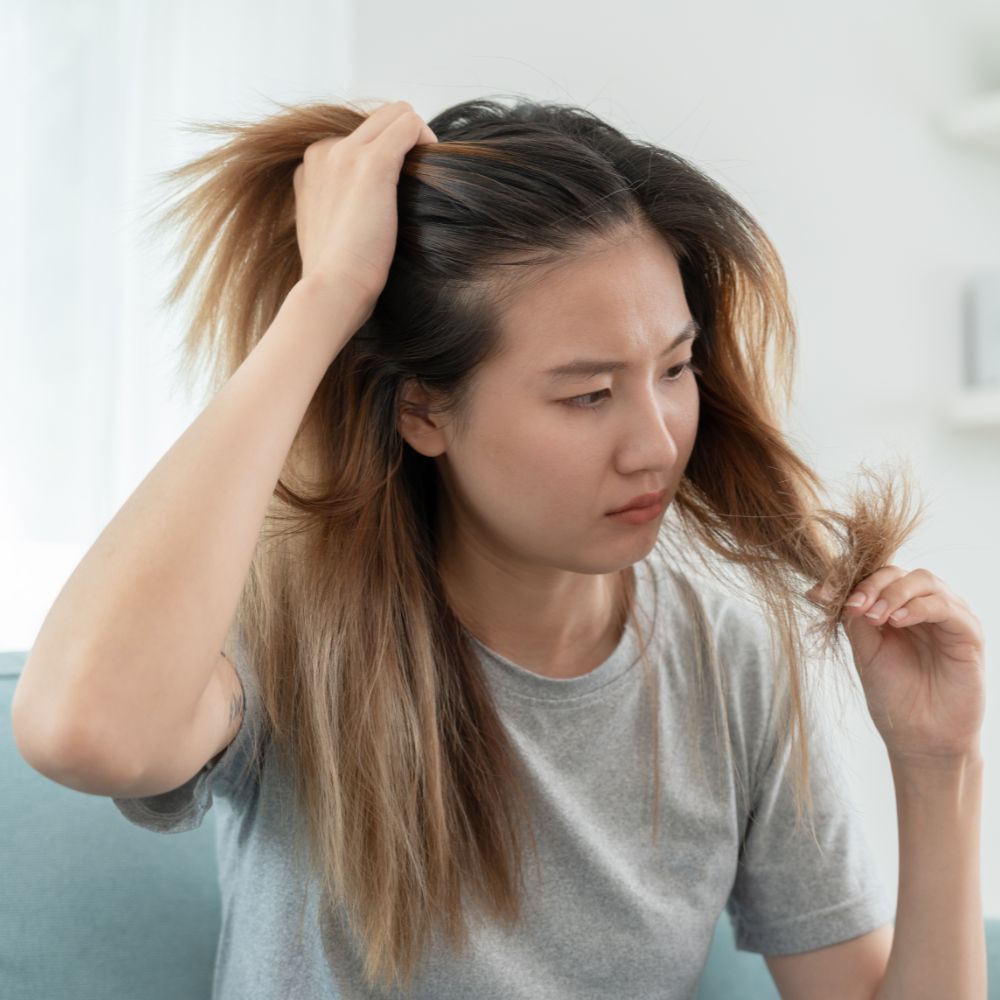
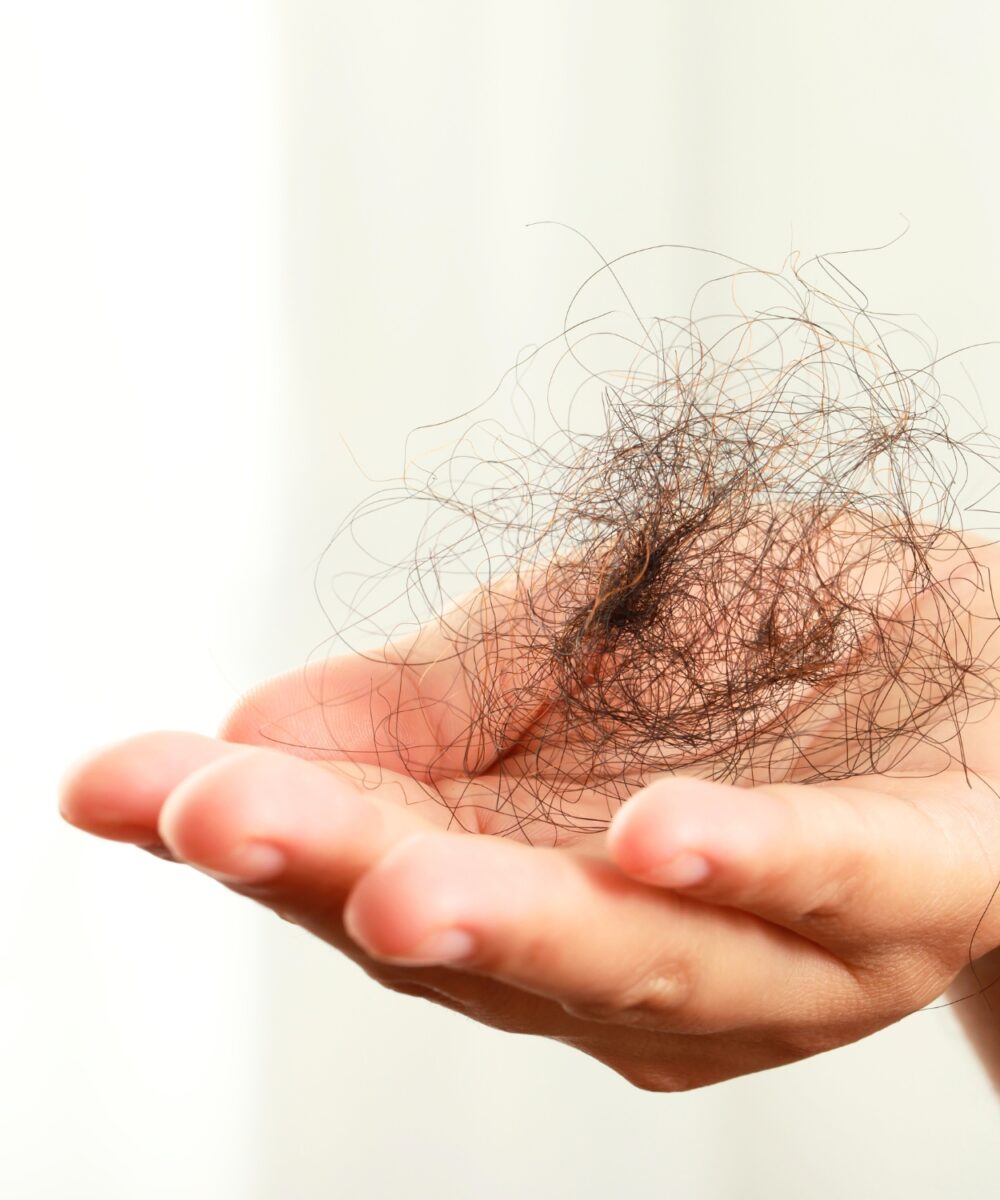
Postpartum hair loss is temporary shedding that can begin around two to four months after birth, often after the post-delivery drop in oestrogen. It is common, usually temporary, and can feel unsettling when hair fall increases during washing, brushing, or tying the hair. Post-pregnancy hair loss may also appear as hair thinning postpartum, especially around the hairline, temples, or ponytail density. Scalp care cannot stop the hormonal shift, but it can help keep the scalp comfortable through this period.
What is Postpartum Hair Loss??
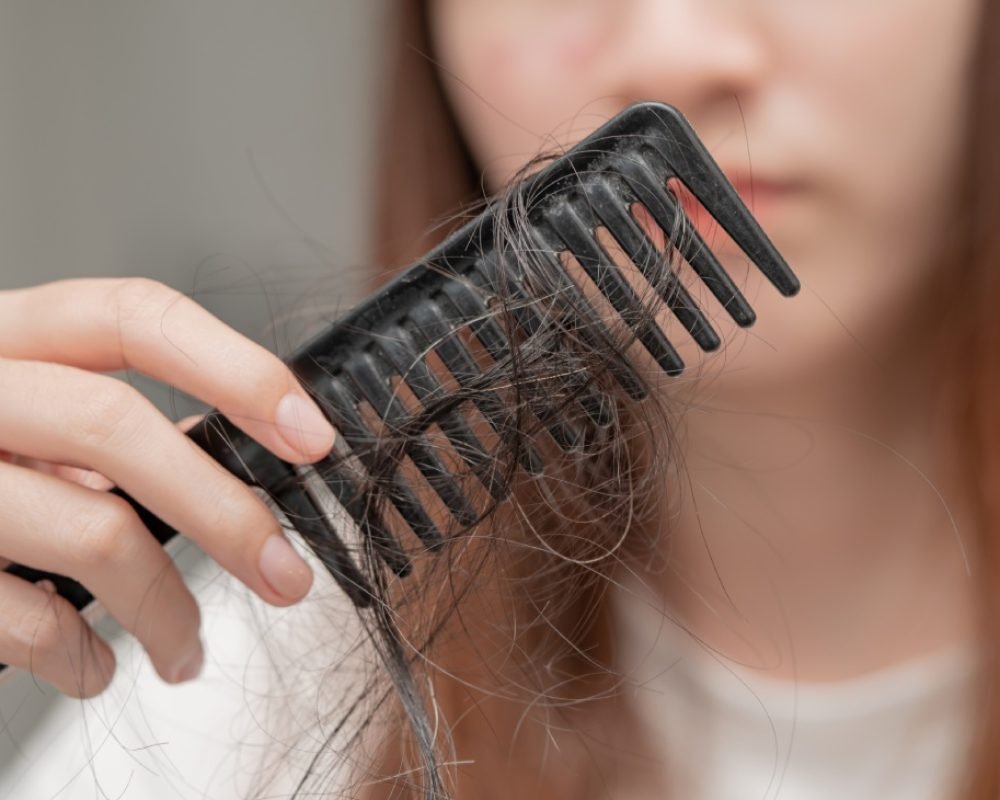
Postpartum hair loss refers to temporary hair shedding that occurs after pregnancy, usually within the first few months after childbirth.
During pregnancy, higher hormone levels often keep more hair in the growth phase, making hair appear fuller. After delivery, hormone levels gradually return to normal, causing many of those hairs to enter the shedding phase at the same time.
This process is common and usually temporary, but the amount of shedding can feel concerning for many new mothers.
Postpartum hair loss may present as:
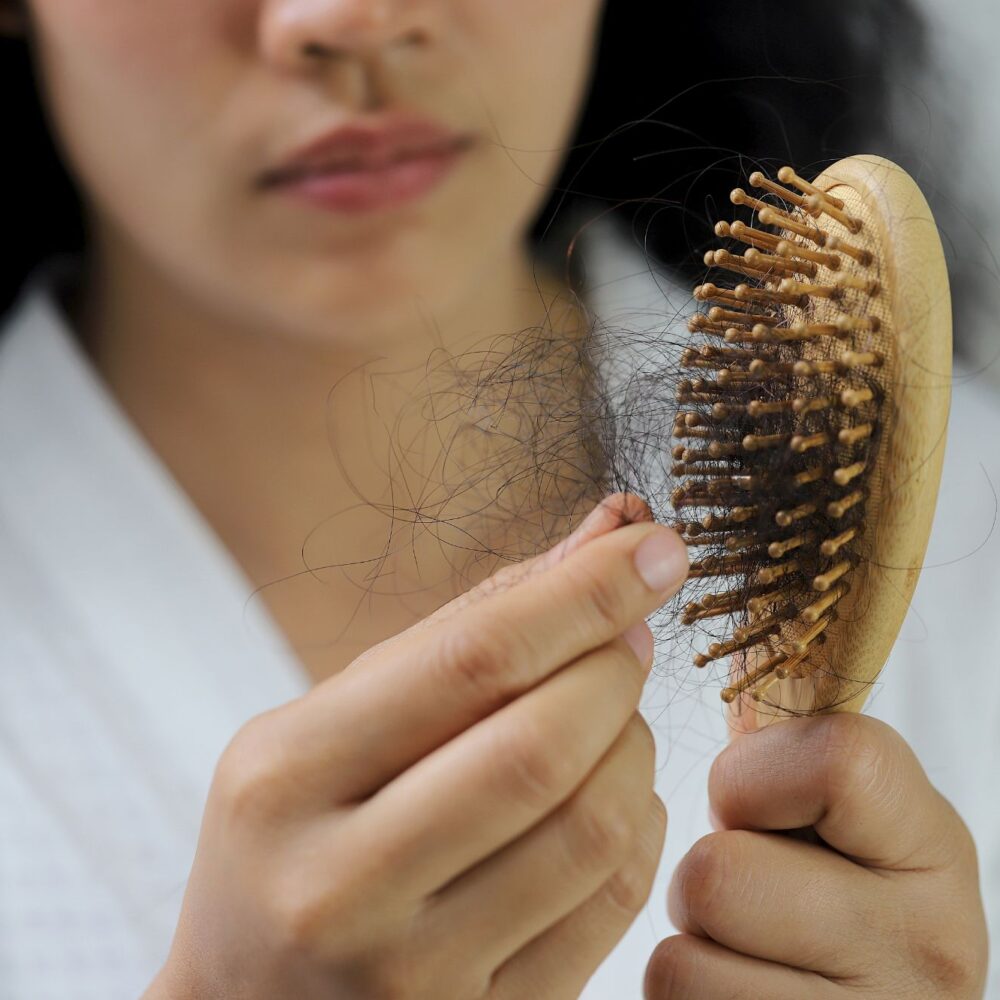
- Increased hair shedding when washing or brushing
- Noticeable hair fall around the hairline or temples
- Reduced hair density or thinner ponytail
- Overall hair appearing less full than during pregnancy
These changes typically begin around two to four months after childbirth.
Why Does Postpartum Hair Loss Occur?
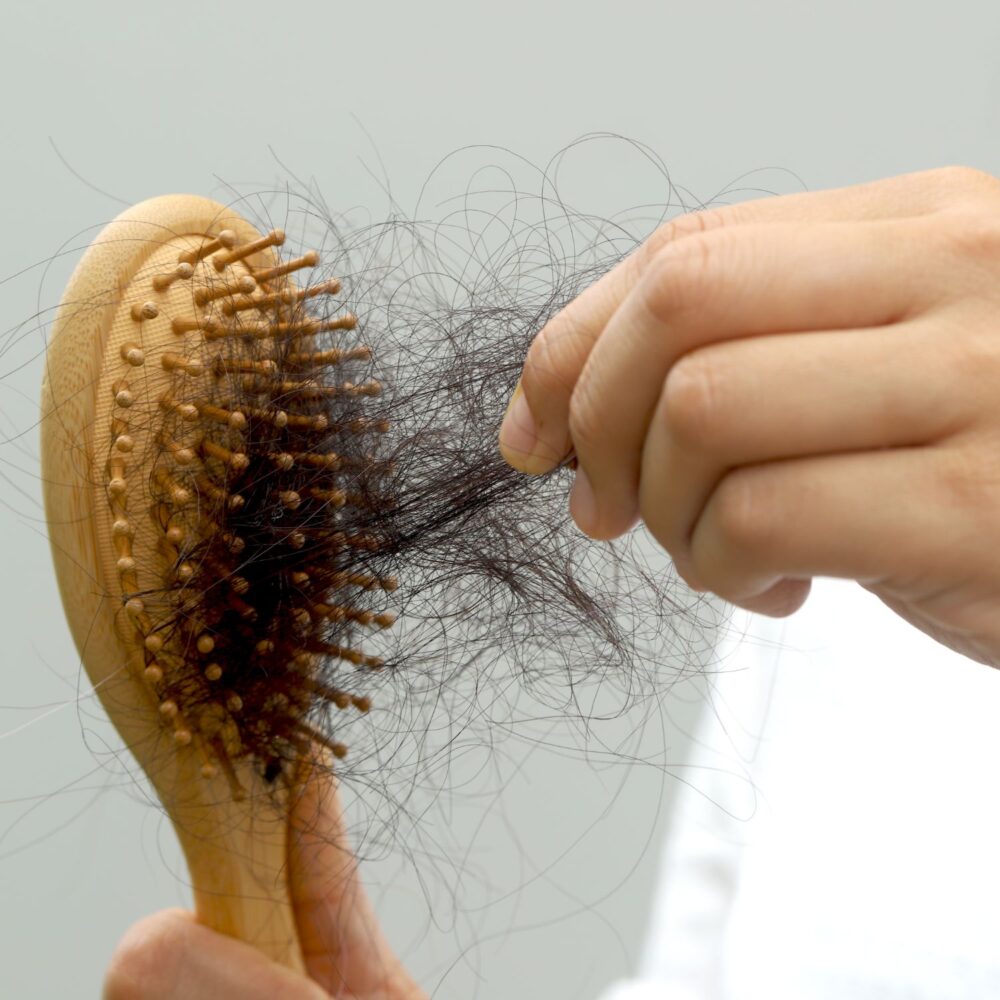
Several factors may contribute to increased hair shedding after pregnancy. Post-pregnancy hair loss is usually linked to hormonal changes after delivery, but the scalp environment can also affect how comfortable this period feels.
Common contributing factors include:
When the scalp environment becomes unstable, hair follicles may appear weaker or more reactive.
Common Misunderstandings About Postpartum Hair Loss
A few common beliefs about postpartum hair loss can leave new mothers feeling anxious or reaching for harsh products too quickly.
1. “Postpartum hair loss means permanent hair loss.”
Most postpartum shedding is temporary and linked to the hormonal shift after delivery. Hair usually grows back gradually as the hair cycle settles. Shedding that continues past 12 months is worth discussing with a doctor.
2. “Cutting hair short can stop the shedding.”
Hair length does not control the shedding cycle. A shorter cut may make hair fall look less obvious, but it does not stop the natural process happening at the follicle.
3. “Stronger hair products will fix the problem.”
Harsh products can irritate a scalp that is already adjusting after pregnancy. Gentle scalp care is usually a safer way to support comfort and balance.
4. “This much shedding means something is wrong.”
Post-pregnancy hair loss is a common postpartum change. It can feel alarming, but shedding on its own does not always signal illness. If it comes with fatigue, dizziness, pain, or other symptoms, medical advice is sensible.
Why Scalp Support Matters During Postpartum Shedding
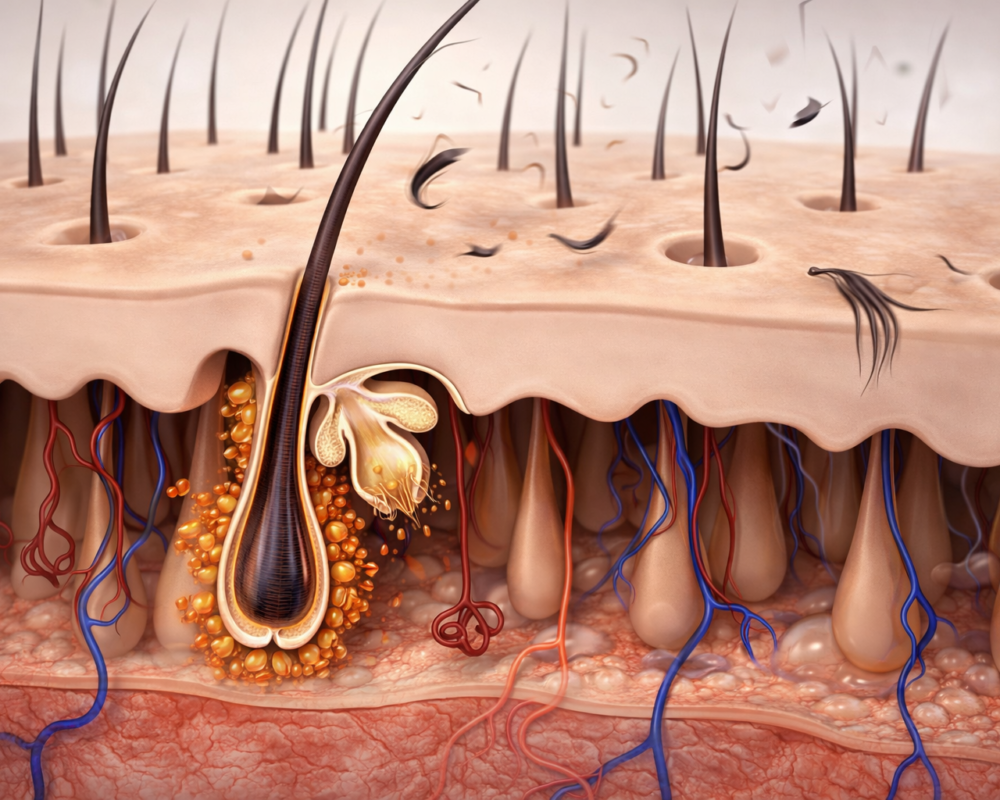
Hair growth is closely connected to the condition of the scalp environment. Supporting scalp balance during the postpartum period may help keep the scalp comfortable while follicles move through the natural shedding cycle.
Supporting scalp balance during hair thinning postpartum may help:

Maintain scalp comfort and stability

Support healthy follicle activity

Reduce scalp sensitivity or irritation

Create a healthier environment for future hair growth
Care that focuses on the scalp environment rather than only the hair itself may provide better long term support.
How Bio Organicare Approaches Postpartum Hair Concerns
At Bio Organicare, postpartum hair loss and thinning are addressed through our Scalp Maintenance and Repair service pillar.
Our approach focuses on:
Care is guided by scalp analysis and ongoing observation, rather than assumptions. The aim is not to stop the natural postpartum shedding process, which is largely hormone-driven, but to support the scalp environment while the hair cycle gradually settles.
Every scalp journey is personalised and adjusted according to individual scalp responses. The approach remains gentle, scalp-first, and non-aggressive.
Supporting Hair Health Through Diet and Lifestyle
Scalp care works best when everyday habits support the body through postpartum recovery. These steps will not stop natural shedding, but they can give the scalp and follicles a steadier base.
Helpful habits include:
If you are breastfeeding, check with your doctor before starting any supplement. Food-based nutrition is usually the safer starting point, and a balanced routine often supports the scalp better than relying on one product alone.
Related Scalp & Hair Concerns
Postpartum shedding can overlap with other scalp and hair concerns. Looking at them together gives a clearer picture of what your scalp may need.
Looking at the scalp as a whole helps guide care around the concern you are actually experiencing.
FAQ
01. Is postpartum hair loss permanent?
02. When does postpartum hair shedding usually start?
03. Should I avoid washing my hair if I am shedding more?
04. Can scalp care help during postpartum hair loss?
Start Your Scalp-First Journey
If you are experiencing increased hair shedding after pregnancy, beginning with a professional scalp analysis can help clarify your scalp condition and guide appropriate care.
Start with a professional scalp analysis, the foundation of every care journey at Bio Organicare.
*Educational Notice: This page provides educational information about scalp hair concerns.
It does not replace professional assessment or guarantee specific outcomes.
Individual responses vary.