
Ammonia-Free Hair Colour for Sensitive Scalps in Singapore
Ammonia-free hair colour offers a gentler option for people with sensitive scalps who still want to refresh their look. In Singapore, where heat, humidity, and frequent washing may affect scalp comfort, choosing a milder colouring formula can help reduce exposure to strong odours and potentially irritating ingredients.
Does Ammonia Free Mean Reaction Free?
No colouring method is completely reaction-free. Ammonia-free organic hair colour reduce odour and lower the risk of irritation, but no permanent colour is entirely without chemistry. For a sensitive scalp, preparation and scalp condition matter as much as the product. A patch test and a scalp assessment before colouring help reduce the risk of discomfort.
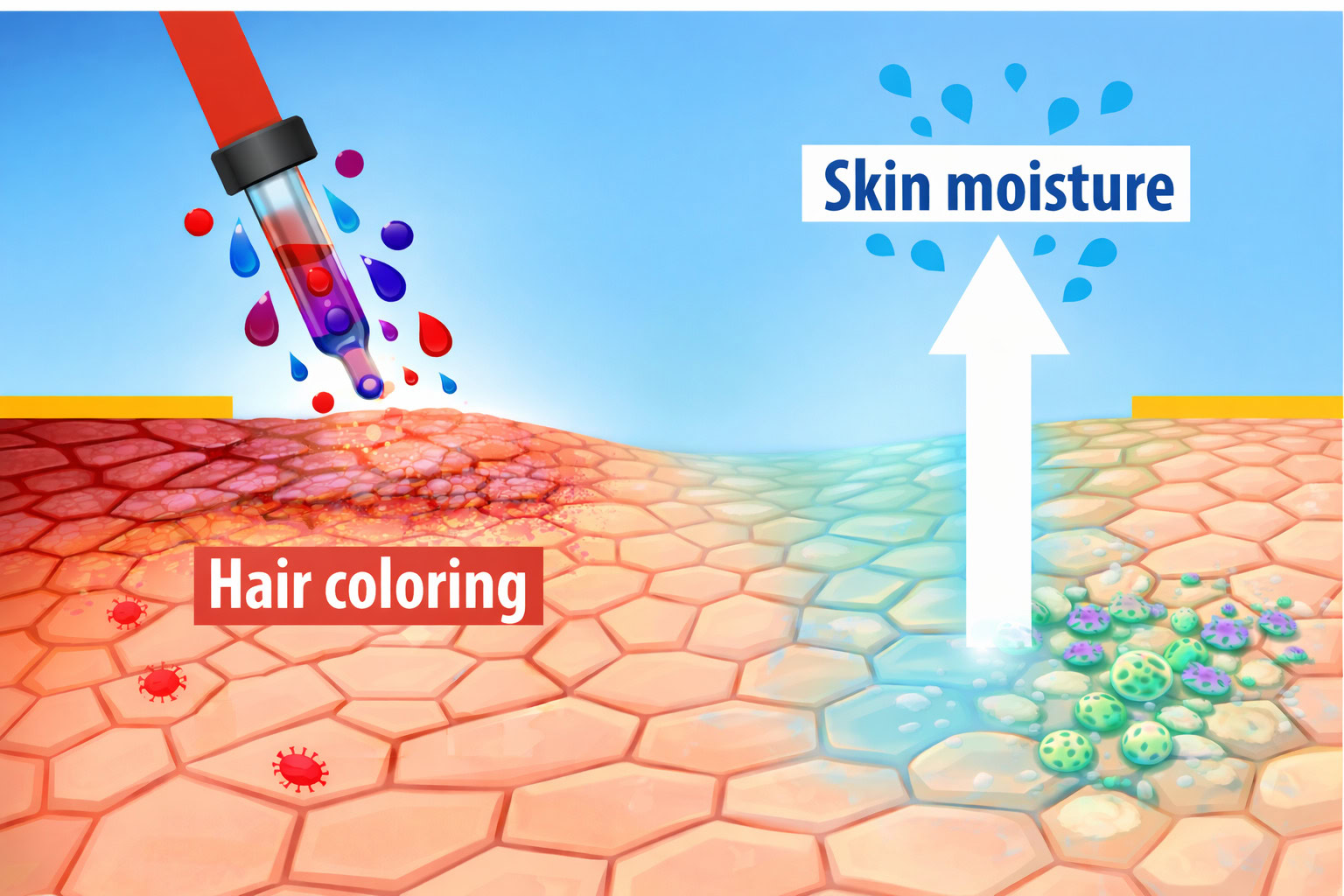
Why Does Hair Colouring Trigger Scalp Sensitivity?
Scalp discomfort during or after colouring may be influenced by:

A weakened scalp barrier

Existing scalp dryness or inflammation

Residue buildup from previous colour services

Repeated chemical exposure over time

Inadequate scalp protection or aftercare

Reduced scalp tolerance due to ageing or stress
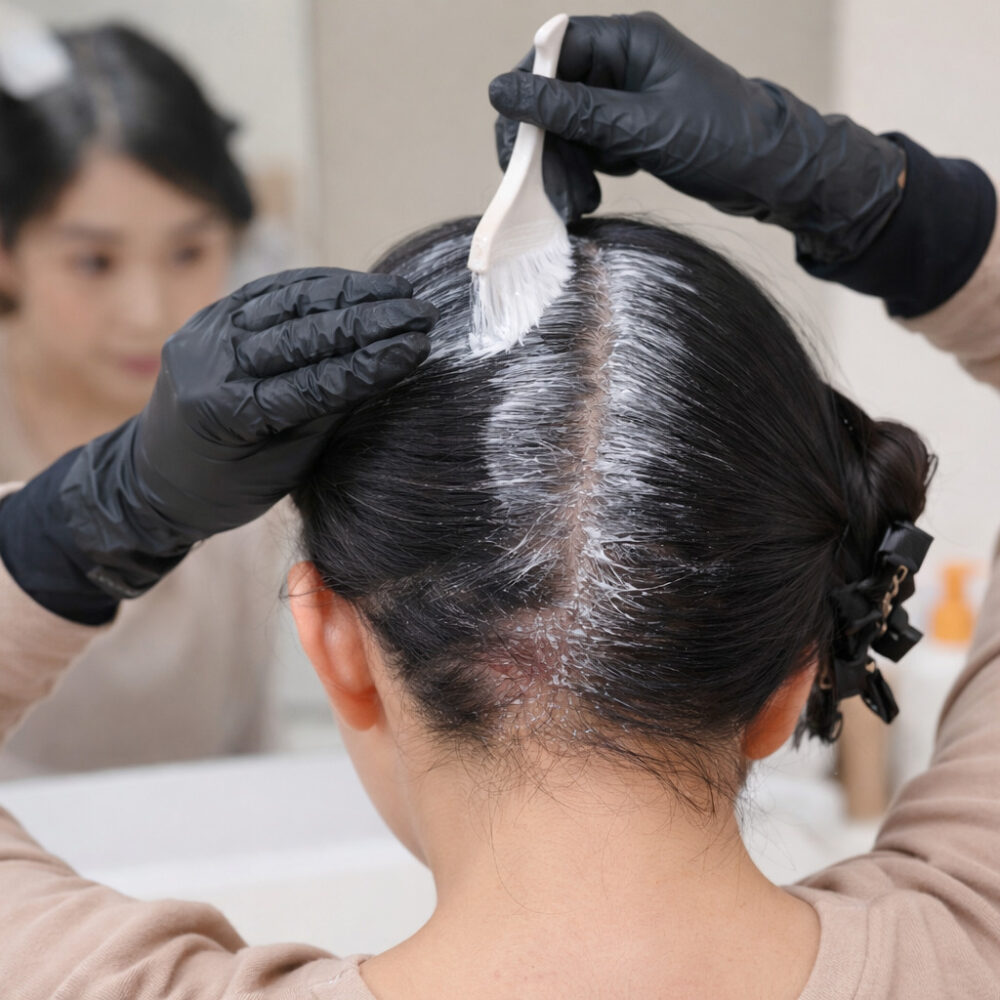
When the scalp is already compromised, colouring may act as a trigger, not the root cause.
Common Misunderstandings About Sensitive Scalp & Colouring
- “Organic colour means zero reaction.”
No colouring method is completely reaction-free. Scalp preparation and care matter most. - “If my scalp is sensitive, I must stop colouring.”
Many sensitive scalps tolerate colouring better when scalp condition is stabilised. - “Colouring treats scalp problems.”
Colouring changes hair appearance only. It does not repair scalp sensitivity.

Why Scalp Care Is Still Necessary
Two common scenarios highlight the importance of scalp care:
Scalp cleansing and hydration help remove residue and maintain tolerance over time.
Colouring covers hair only. Targeted scalp care is needed to restore comfort and prevent recurring reactions.
Supporting scalp condition helps:
Ammonia-Free Hair Dye vs Conventional Hair Colour
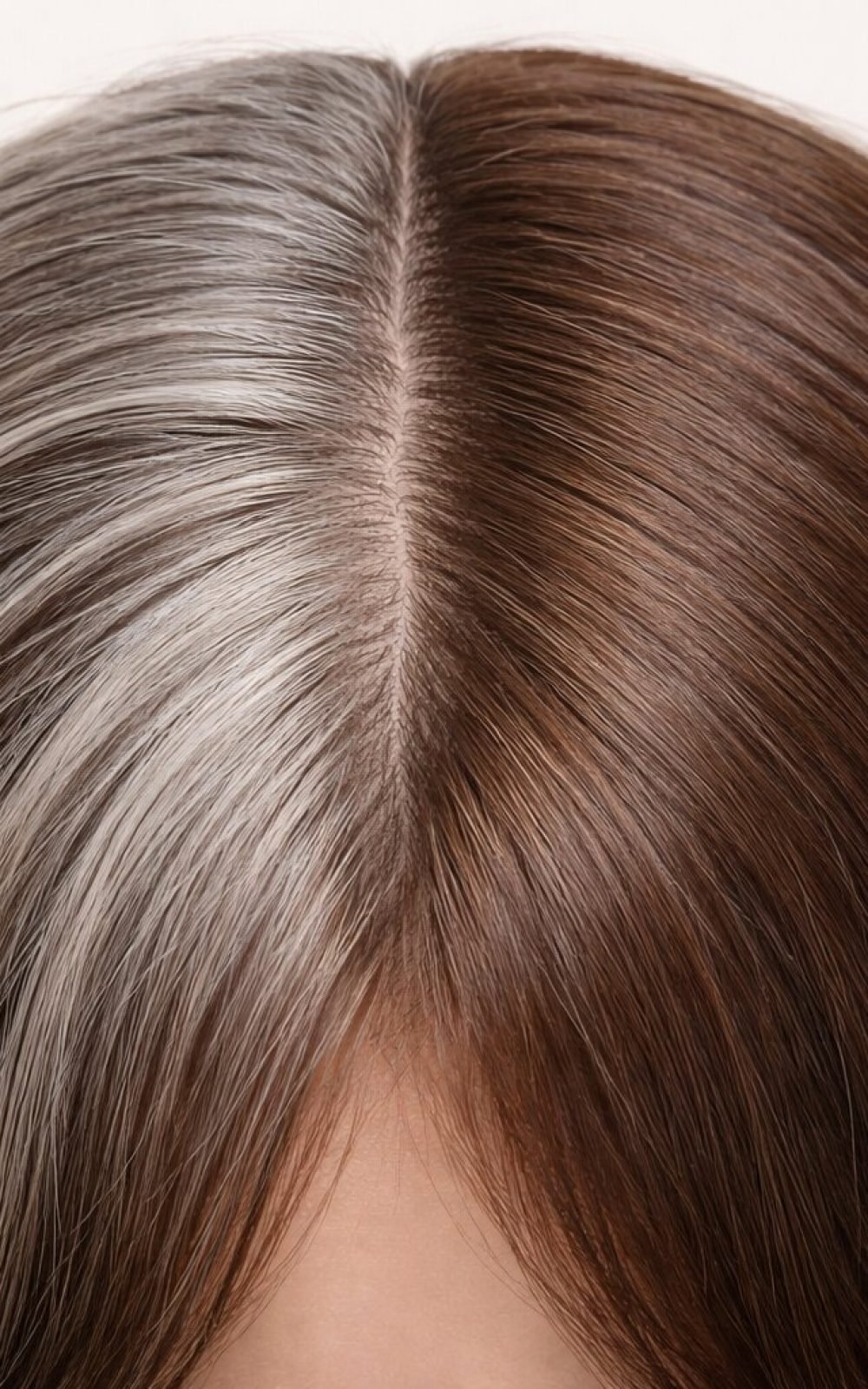
Ammonia-free hair dye formulas use alternative alkalising agents to help colour penetrate the hair, while conventional permanent colour commonly relies on ammonia. The best option depends on your scalp sensitivity, desired lift, grey coverage, and how often you colour your hair.
| Aspect | Ammonia-Free Hair Colour | Conventional Hair Colour |
|---|---|---|
| Odour | Usually milder with little or no ammonia smell | Often has a stronger ammonia odour |
| Scalp feel | May feel gentler for some sensitive scalps | May cause more noticeable discomfort for some users |
| Formula | Uses alternative alkalising agents | Commonly uses ammonia to open the hair cuticle |
| Best suited for | Sensitive scalps, regular colouring, and subtle colour changes | Greater lift and more dramatic colour changes |
| Grey coverage | Can provide effective coverage depending on the formula | Often provides reliable coverage for resistant greys |
Ammonia-free does not mean chemical-free. Permanent hair colour still requires active ingredients to open the cuticle and deposit pigment, so a patch test and scalp assessment remain important.
How Bio Organicare Approaches This Concern
At Bio Organicare, organic hair colour for sensitive scalp is addressed under our Organic Hair Colour Therapy service pillar.
Our approach emphasises:
Colouring is integrated into a scalp-first care system, not treated as a standalone cosmetic service.

What to Expect: Your Colour and Scalp Care Process

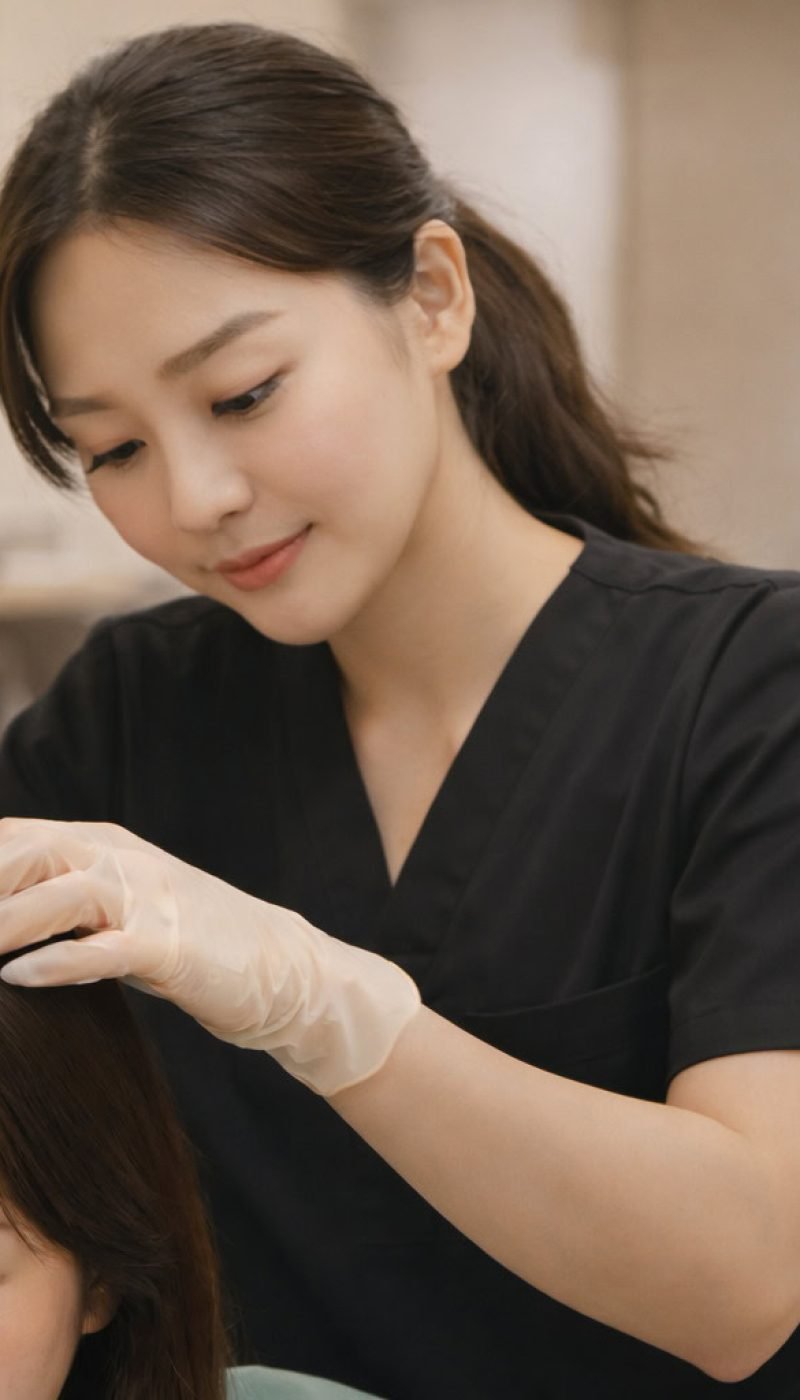
Scalp and Hair Assessment
Your scalp sensitivity, hair condition, previous colour treatments, and desired result are assessed first. This helps determine whether ammonia-free colour is suitable.

Patch Test and Colour Consultation
A patch test may be recommended, especially for sensitive scalps or first-time colouring. Shade options, grey coverage, and realistic results will be discussed.

Protective Preparation
A protective product may be applied around the hairline before the hair is sectioned. This supports more precise application and reduces unnecessary scalp contact.

Ammonia-Free Colour Application
The selected colour is applied evenly and monitored throughout the processing time. The formula is rinsed once the desired result is reached.

Scalp Care and Aftercare Guidance
A gentle shampoo and conditioning or soothing treatment may be used after rinsing. You will also receive advice on colour maintenance, washing, and scalp care.
Who Might Consider Organic Hair Colour for Sensitive Scalp Treatment?
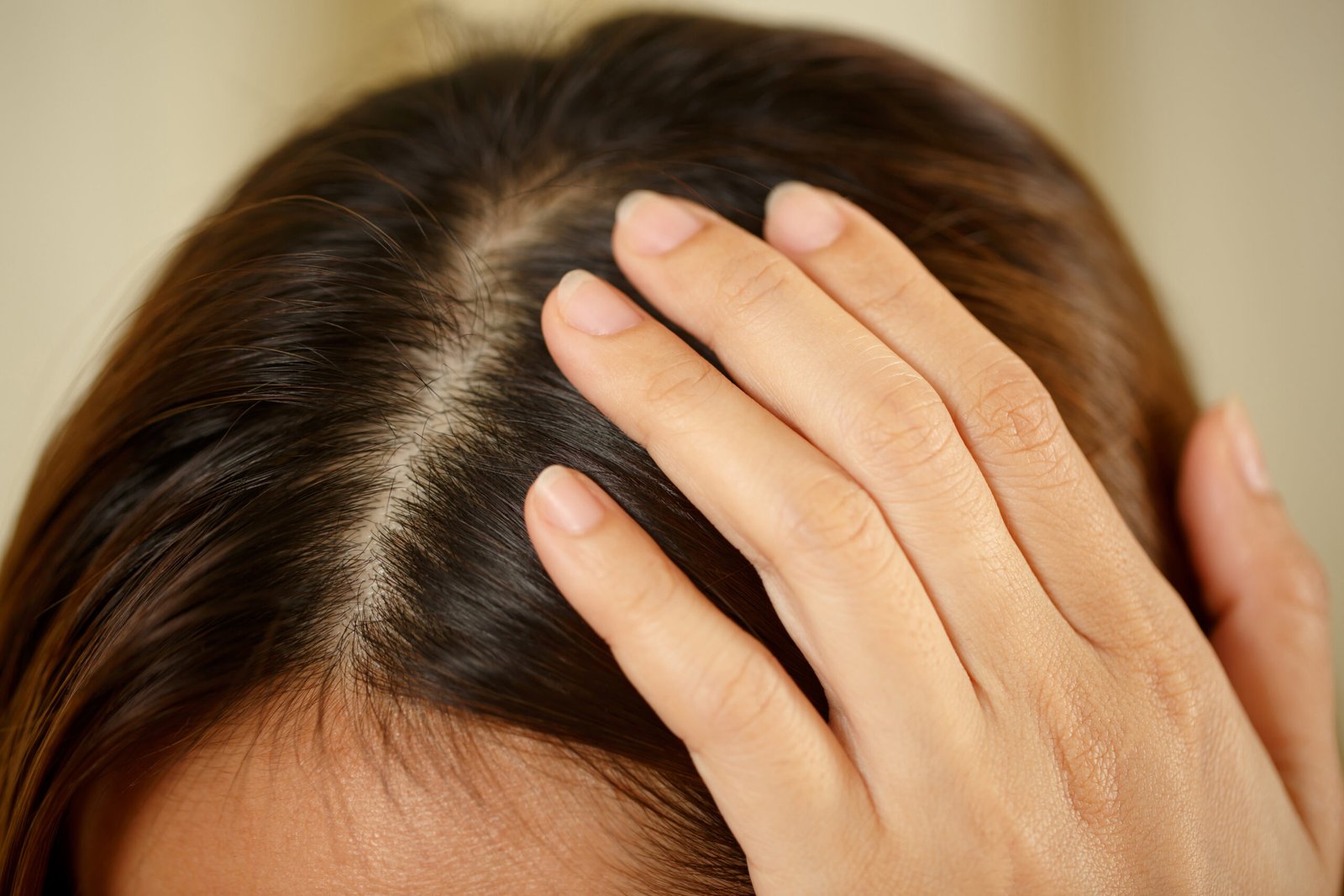
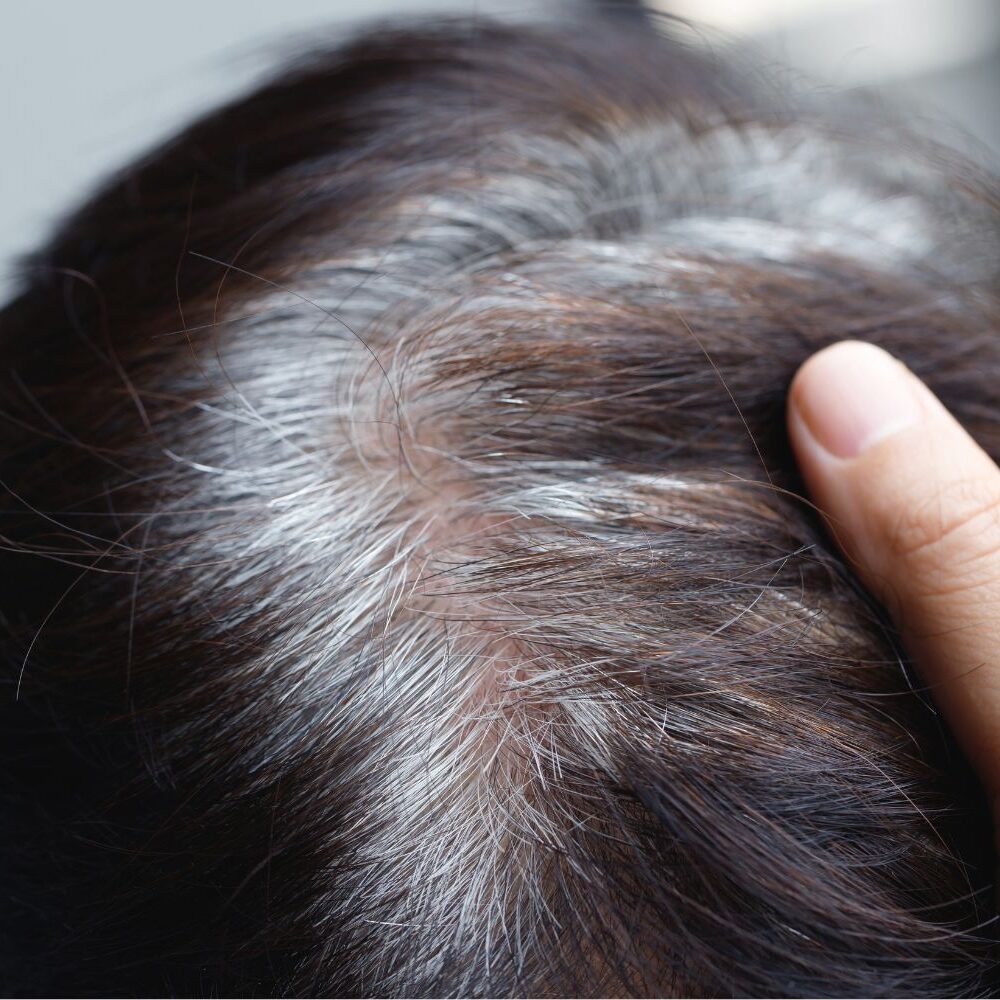
Organic hair colour for sensitive scalp treatment may suit people who experience discomfort, dryness, or strong odours during conventional colouring. It may also appeal to those who colour frequently, prefer milder formulations, or want grey coverage with a gentler approach. A patch test is still important, as organic or ammonia-free colour can contain ingredients that trigger sensitivity.

Related Scalp & Hair Concerns
Organic hair colour sensitivity often overlaps with:
Managing these concerns together supports better colouring tolerance and scalp health.
FAQ
01. Can I colour my hair if I have a sensitive scalp?
02. How is scalp comfort supported during hair colouring?
Scalp response varies between individuals and depends on overall scalp condition rather than colour alone.
03. Is “organic” or “herbal” hair colour guaranteed to have no reaction?
04. Do I need scalp care after colouring if I don’t feel sensitive?
05. Do I need a patch test before colouring a sensitive scalp?

Start Your Scalp-First Journey
Begin with a professional scalp analysis, the foundation of every care journey at Bio Organicare.
*Educational Notice: This page provides educational information about organic hair colouring for sensitive scalp.
It does not replace professional assessment or guarantee specific outcomes.
Individual scalp responses vary.