What Is Hair Loss?
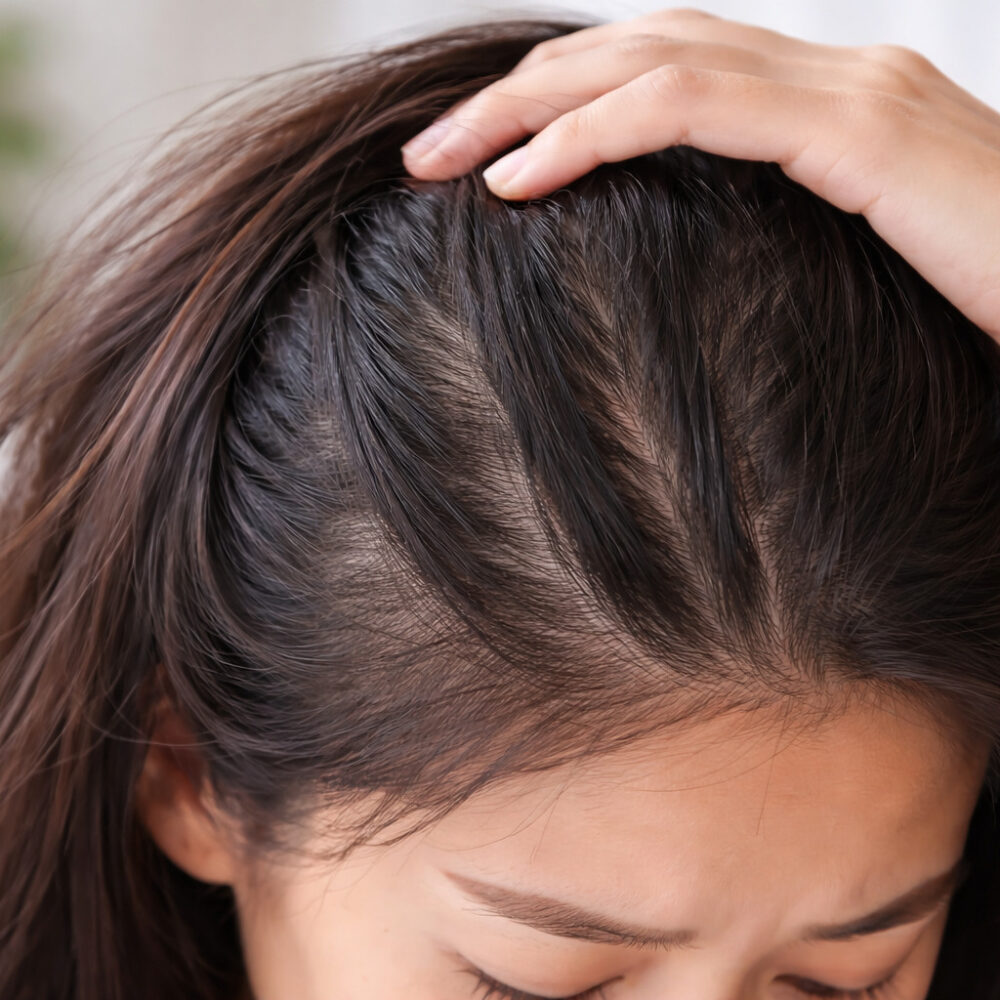
Hair loss refers to a sustained reduction in hair density where hair follicles gradually become weaker and regrowth slows down or stops.
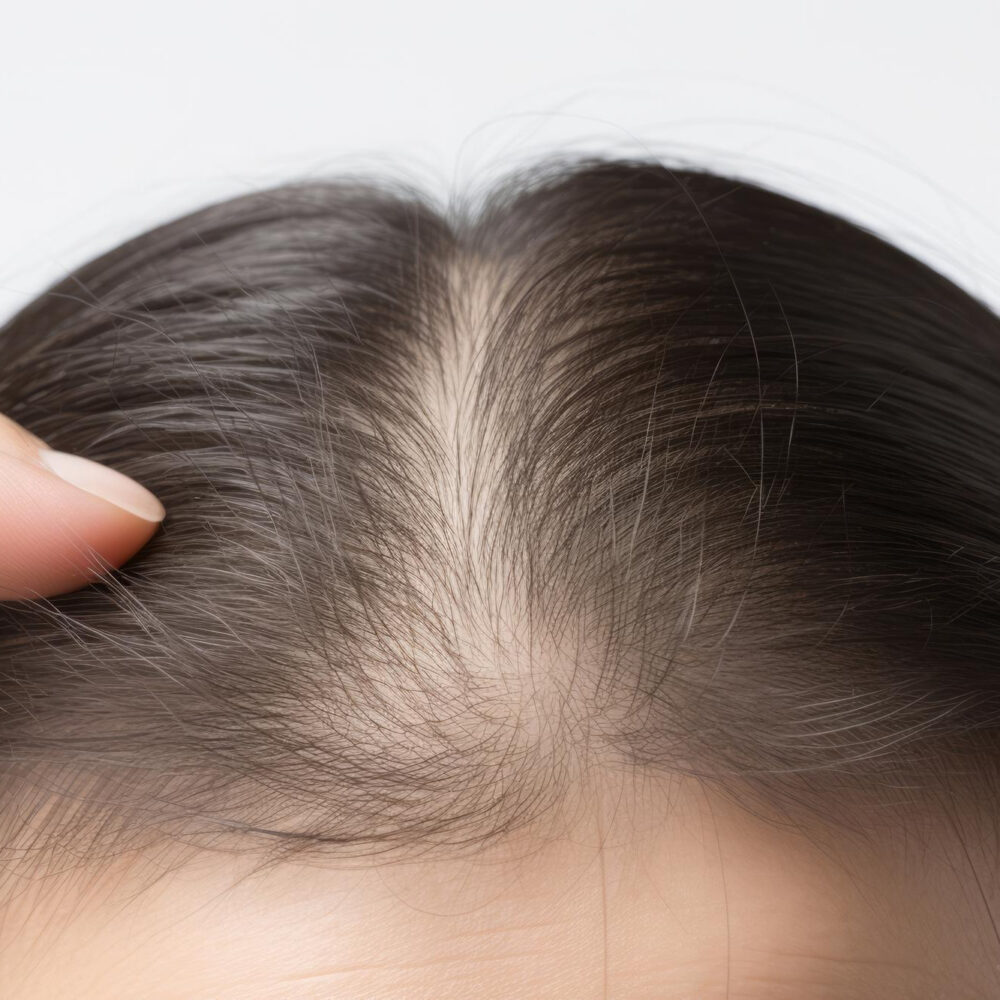
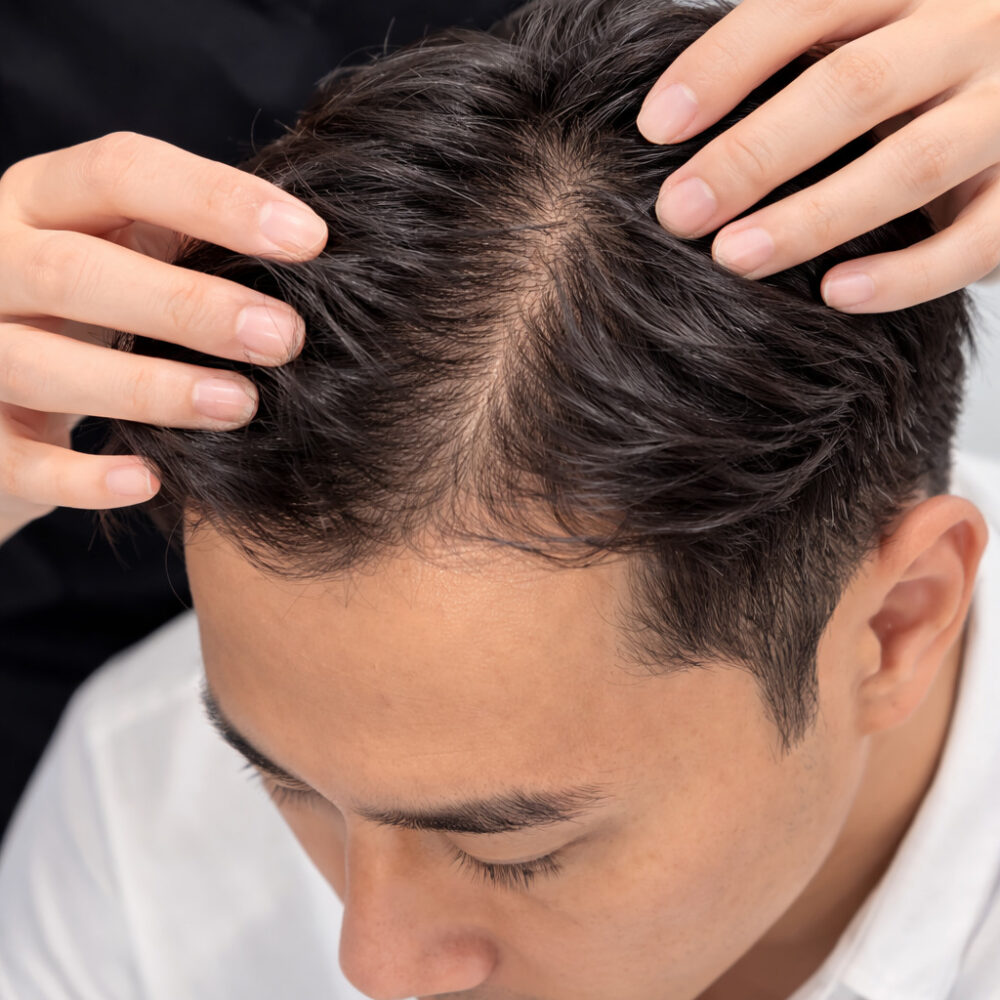
Unlike temporary hair fall, hair loss typically develops over time and may appear as thinning areas, widening part lines, or reduced hair coverage.
Scalp condition plays an important role in supporting long-term follicle health and hair growth stability.
How Hair Loss Differs from Hair Fall and Hair Thinning
Understanding the difference helps avoid confusion:
- Hair Fall → temporary shedding, often reversible
- Hair Thinning → gradual reduction in density
- Hair Loss → sustained loss where regrowth is limited or weakened
Hair loss often develops after prolonged thinning or unresolved scalp imbalance.
| Concern | What It Typically Looks Like | Common Causes | Potential for Regrowth |
|---|---|---|---|
| Hair Fall | Increased daily shedding during washing, brushing, or throughout the day | Stress, hormonal fluctuations, postpartum changes, illness, nutritional imbalance, or temporary scalp stress | Often reversible with appropriate care and early hair fall treatment |
| Hair Thinning | Gradual reduction in overall hair density and volume | Ageing, prolonged scalp imbalance, genetics, chronic inflammation, or weakened follicles | May improve when underlying scalp conditions are addressed through targeted scalp treatment for hair fall |
| Hair Loss | Persistent reduction in hair growth with visible widening areas or sparse patches | Long-term follicle weakening, unresolved scalp issues, genetic predisposition, or progressive scalp conditions | Regrowth may become more limited without early intervention and consistent hair fall scalp treatment |
Why Does Hair Loss Occur?
Hair loss is influenced by a combination of long-term factors, including:

Reduced scalp circulation and oxygen delivery

Declining follicle responsiveness

Chronic scalp inflammation or imbalance

Hormonal sensitivity

Age-related scalp changes

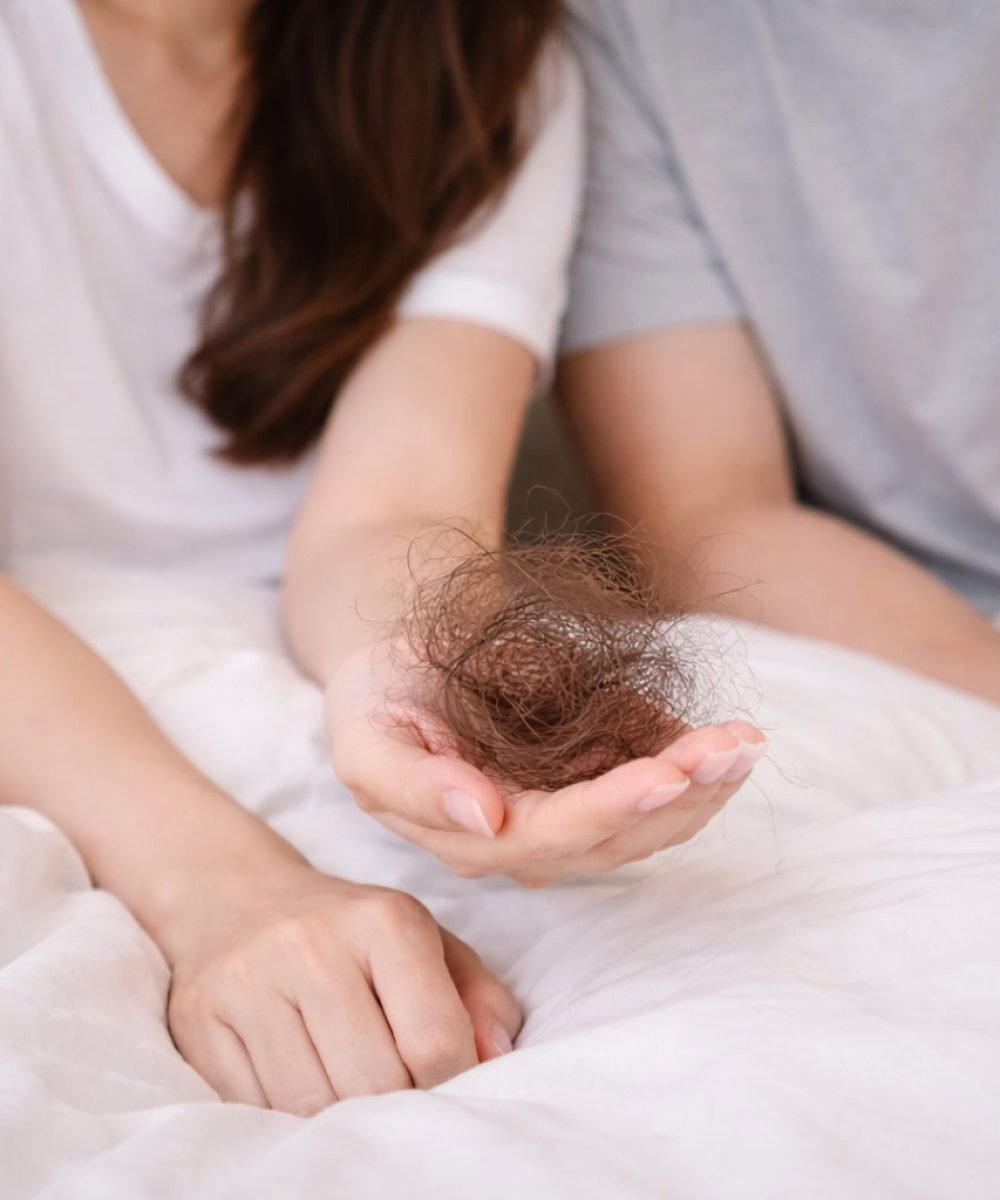
Lack of recovery after repeated hair fall episodes
Over time, follicles may become less capable of producing strong, healthy hair.
Common Misunderstandings About Hair Loss
- “Hair loss happens suddenly.”
In most cases, hair loss develops gradually over years. - “Once hair is lost, nothing can be done.”
Outcomes depend on follicle condition and scalp responsiveness. - “Hair loss is purely genetic.”
Genetics play a role, but scalp condition influences progression.
Why Scalp Condition Matters
Hair follicles depend on a responsive scalp environment to function effectively.
Supporting scalp condition helps to:
Improve circulation and follicle activity
Slow progression of hair loss

Support healthier regrowth where follicles remain responsive

Improve overall scalp performance
Scalp-focused care is essential when addressing long-term hair loss.
How Bio Organicare Approaches Hair Loss
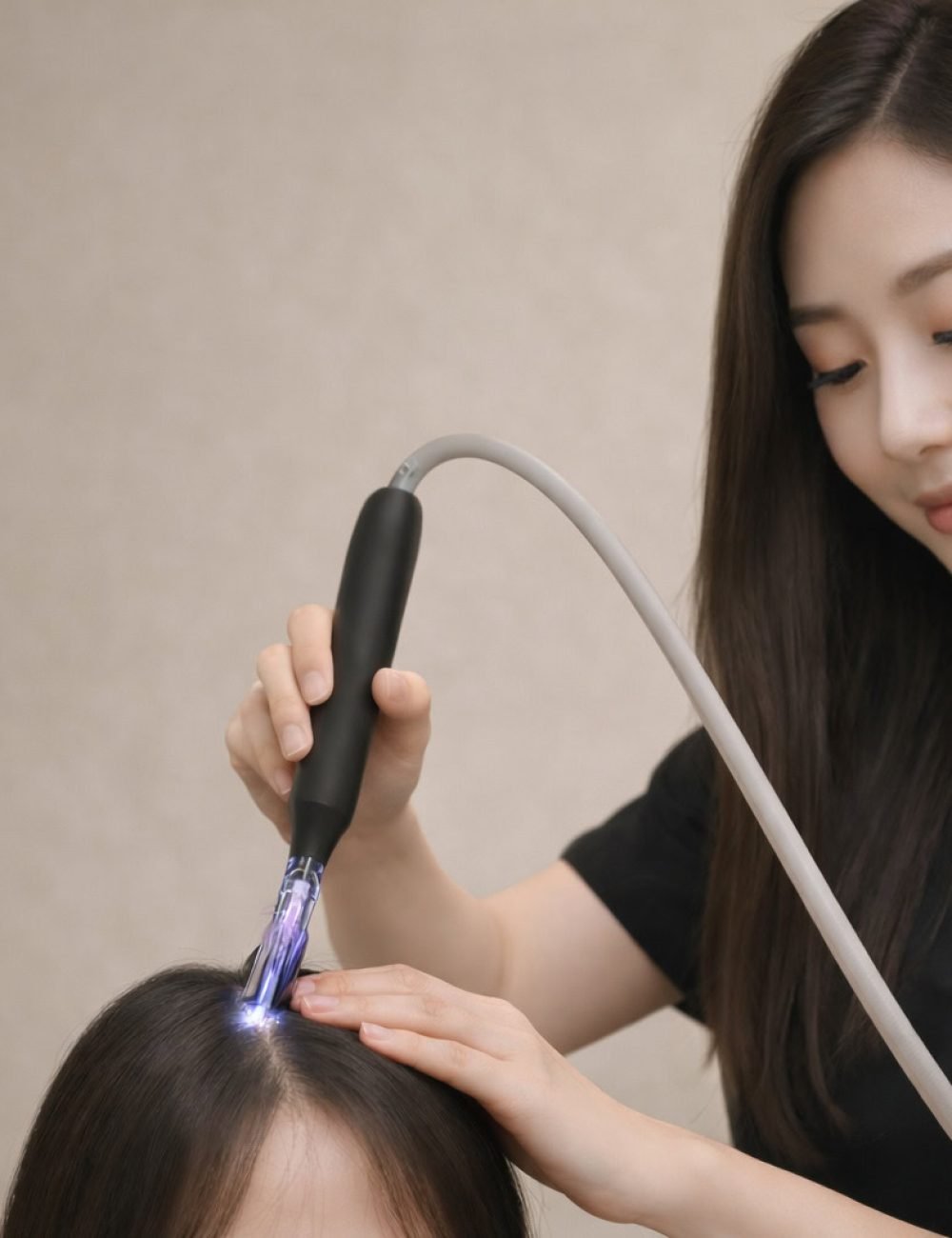
At Bio Organicare, hair loss concerns are addressed under our Scalp Activation & Regeneration (PlasmaCell-X) service pillar.
This approach focuses on:
Care is progressive and consultation-led, not based on fixed promises.
PlasmaCell-X supports scalp activation through a condition-based approach that focuses on improving the scalp environment rather than addressing hair concerns at the surface level alone. Treatment recommendations are adjusted based on individual scalp condition, hair concerns, and responsiveness over time, allowing care to remain personalised rather than relying on a fixed hair fall treatment approach.
Bio Organicare’s 3-Step Care Philosophy
1. Assess the Scalp Condition
The scalp is evaluated for concerns such as excess oil, buildup, sensitivity, congestion, and signs of weakened follicle activity that may contribute to thinning or hair loss.
2. Stabilise the Scalp Environment
Care may focus on restoring scalp balance by reducing buildup, calming irritation, and improving overall scalp condition through targeted scalp treatments to support hair fall.
3. Support Scalp Activation
Once the scalp environment is more stable, treatments may focus on promoting healthier follicle activity and supporting progressive hair regrowth over time.
What to Expect from Your Hair Fall Treatment Journey
Session Timeline
| Milestone | What You May Notice |
|---|---|
| After Session 1 | Scalp feels lighter; initial scalp condition assessed |
| Week 4 | Reduced daily shedding reported by most clients |
| Month 2–3 | Improved scalp balance; early density improvement |
| Month 4–6 | Stabilisation of hair fall; visible baby hair activity |
Note: Individual results vary. A condition-led scalp assessment guides your personal care plan.
Your First Visit
1. Scalp Analysis – Digital assessment of your scalp condition and follicle activity
2. Consultation – Our specialist explains findings in plain language
3. Care Recommendation – A progressive plan is proposed with no hard-selling approach
Book your first scalp analysis session today — our $128 Hair Fall Trial includes a full assessment.
Related Scalp & Hair Concerns
Hair loss often overlaps with:
Understanding these relationships helps guide appropriate scalp care.
FAQ
01. Is hair loss permanent?
02. How is hair loss assessed?
03. Can hair loss be slowed?
04. How long does it take to see changes?
05. How much does hair fall treatment cost in Singapore?
06. Is hair fall treatment safe for sensitive scalps?
07. What is the difference between hair fall treatment and hair loss treatment?
Who This Page May Be Helpful For
This page may be helpful if you experience:
A professional scalp assessment can help determine whether the concern relates to hair fall, thinning, or progressive hair loss.
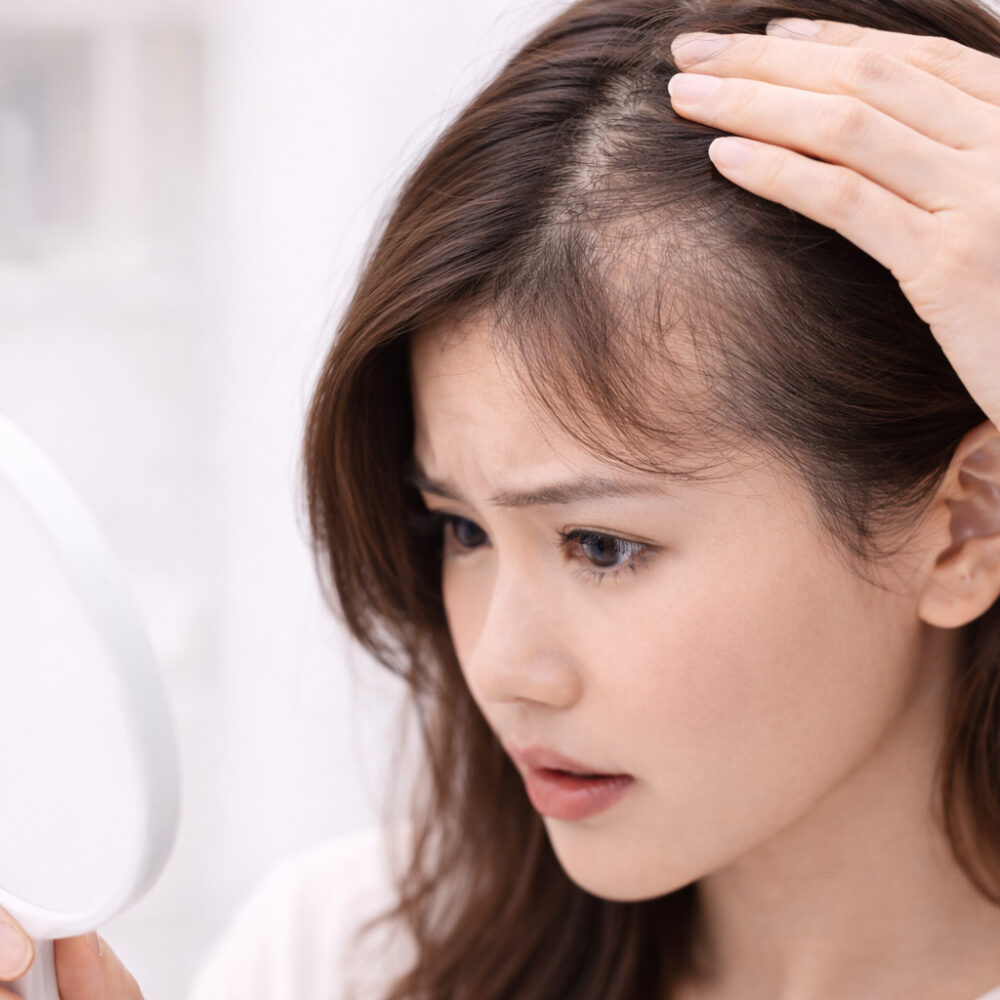
Not sure which applies to you?
Hair loss, hair thinning, and hair fall describe different scalp conditions and often feel similar in the early stages.
A professional scalp analysis helps clarify whether your concern is temporary shedding, gradual thinning, or sustained hair loss and guides the most appropriate care approach.
*Educational Notice : This page provides educational information about scalp and hair concerns.
It does not replace professional assessment or guarantee specific outcomes.
Individual responses vary.
Hair Shedding
Postpartum Hair Loss
Stress Hair Loss
Oily / Congested Scalp
Dandruff / Flaking
Sensitive / Irritated Scalp
Thinning Hair
Early Hair Loss
Ageing Hair Loss
Oily Scalp
An oily scalp develops when excess sebum accumulates on the scalp, leaving it feeling greasy, heavy, or congested. Proper scalp care may help maintain a cleaner, more balanced scalp environment.
Clogged Hair Follicles
Clogged hair follicles develop when oil, dead skin cells, sweat, and product residue accumulate around the scalp. Over time, this buildup may affect scalp balance and contribute to irritation, discomfort, or weakened hair growth conditions. Regular scalp analysis and appropriate hair scalp treatment approaches may help support a cleaner and healthier scalp environment.