

- Your cart is empty Browse Shop
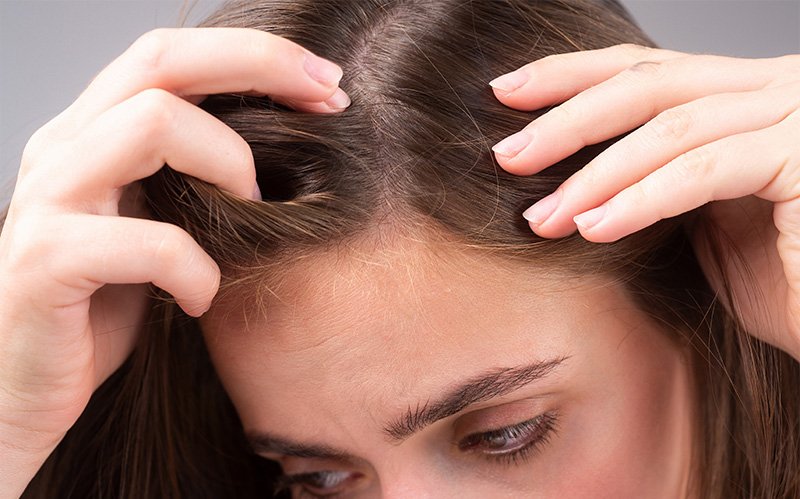
Key Takeaways
- Your scalp barrier helps retain moisture and protect the scalp from heat, pollution, products and other irritants.
- Tightness, sensitivity, oiliness and increased reactions to products may indicate that the scalp barrier is under stress.
- To repair the scalp barrier, simplify your routine and cut out habits that repeatedly irritate the scalp.
- Recovery is often gradual, so look for improved comfort and more predictable scalp behaviour.
- If symptoms persist, professional scalp care and treatment may help identify whether sensitivity, buildup or another concern is involved.
Introduction
When people think about scalp problems, they often focus on oil, dandruff, or hair thinning. However, some concerns may begin with something less visible: the scalp barrier. This protective layer is made up of skin cells, natural oils, and moisture that help reduce water loss and defend against irritants such as shampoo, hair dye, heat, and pollution.
If your scalp has been feeling tight, sensitive, or suddenly reactive to your usual products, these may be signs of a damaged scalp barrier. Here are the common signs to look out for, along with tips on how to repair your scalp barrier.
What are the Signs of a Damaged Scalp Barrier?
A damaged scalp barrier can affect how your scalp retains moisture and responds to everyday products. The signs may vary, but they often involve a combination of discomfort, dryness, oil imbalance, and increased sensitivity.
Here are some of the common signs we’ve observed from our clients at Bio Organicare:
- Tightness and Dryness: Your scalp may feel stretched or uncomfortably dry, especially after shampooing. You may also notice rough patches or a persistent feeling that your scalp lacks moisture.
- Sensitivity and Stinging: Products that you previously used without problems may suddenly cause burning, stinging or warmth. This can happen when a weakened barrier allows irritants to affect the scalp more easily.
- Persistent Itching: An ongoing urge to scratch may indicate that your scalp is dry, irritated or unable to protect itself effectively. Avoid scratching, as it can further aggravate the skin and delay recovery.
- Oily Roots and a Dry Scalp: Your roots may become greasy quickly while the scalp underneath still feels tight or itchy. This can occur because oil production does not necessarily mean that the scalp is retaining enough moisture.
- Sudden Flaking: Small, dry flakes may appear when the scalp loses moisture more easily. However, a flaky scalp may have other underlying causes, so it is important not to assume that all flaking is linked to barrier damage.
- Redness or Pimples: A compromised barrier may make the scalp more prone to redness, tenderness or small bumps. These may also develop when sweat, oil or product residue collects around the follicles.
- Increased Hair Shedding: Scalp irritation and frequent scratching may contribute to more noticeable shedding. However, hair loss can have many causes, so persistent or sudden shedding should be assessed by a qualified professional.
How to Repair Your Scalp Barrier
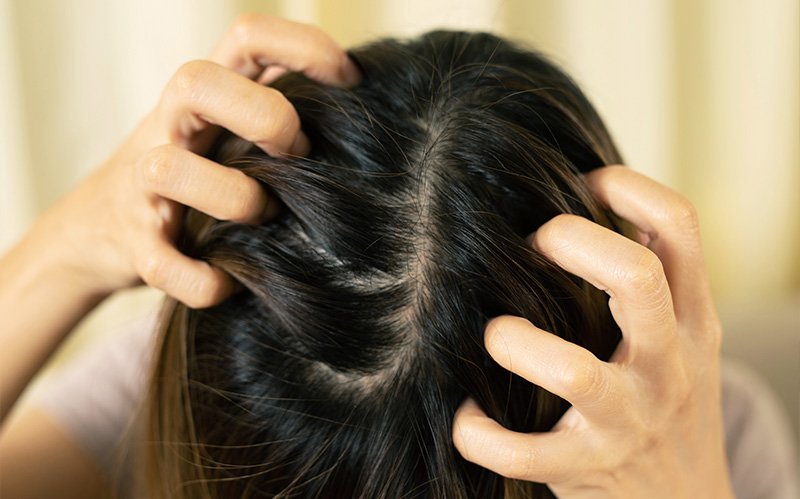
You don’t have to add more products to your routine in order to repair your scalp barrier. Instead, we recommend a simpler, gentler routine that gives your scalp time to recover and become less reactive.
1. Simplify Your Routine for Two to Four Weeks
When your scalp is already reactive, adding more products can make it harder to identify what is helping and what may be prolonging the irritation. For a few weeks, reduce your routine to the basics: use a shampoo that your scalp already tolerates, rinse thoroughly and avoid introducing new serums, exfoliants, or treatments.
Try to change only one product at a time. This gives your scalp time to settle and makes it easier to recognise whether a particular formula is causing discomfort.
2. Pause Habits That Repeatedly Stress the Scalp
Repairing your scalp barrier can be difficult if it’s constantly exposed to new irritation. Consider temporarily reducing:
- Hair colouring, bleaching or chemical treatments
- Abrasive scalp scrubs
- Frequent use of dry shampoo
- High-heat blow-drying
- Very hot showers
- Washing more than once a day
You do not need to stop washing your hair altogether. Instead, use lukewarm water, massage gently with your fingertips and avoid scratching with your nails. The goal is to keep the scalp clean without leaving it feeling tight or stripped.
3. Support Your Scalp Through a Balanced Diet
Your scalp barrier also depends on the nutrients needed to maintain healthy skin. Aim for a balanced diet that includes protein, healthy fats, fruits and vegetables, as these provide nutrients involved in skin renewal and moisture retention.
Foods such as eggs, fish, nuts, seeds, leafy greens, and avocados can be useful sources of protein, omega-3 fatty acids, zinc, and vitamins. However, diet alone will not repair an irritated scalp barrier if ongoing triggers such as harsh products, frequent colouring, or overwashing are still present.
4. Consider a Professional Scalp Analysis and Treatment
If your scalp remains itchy, sensitive, oily, or uncomfortable despite simplifying your routine, you may require a more targeted approach. This is where Bio Organicare can help you get started on the right foot.
We will begin with a personalised scalp analysis and consultation to assess visible concerns such as oil imbalance, buildup, sensitivity, dryness and overall scalp condition. This helps us distinguish between signs of barrier disruption and other scalp concerns that may require a different approach.
Based on the findings, we can recommend a customised care plan that may combine professional scalp treatments, bio-organic formulations, and technology-supported scalp activation. For example, treatment for a sensitive scalp may focus on calming scalp reactivity, supporting scalp barrier repair, and removing residue without overcleansing.
We may also suggest adjustments to your at-home routine, including how often you wash your hair and which habits may be placing additional stress on your scalp. Rather than focusing only on short-term relief, the aim is to support a calmer, more balanced scalp environment and improve long-term scalp health.
Conclusion
Repairing the scalp barrier takes time, effort, and consistency. Rather than constantly switching products or using stronger treatments, focus on reducing irritation, simplifying your routine, and addressing the underlying cause.
At Bio Organicare, our scalp-first approach combines gentle, bio-organic formulations with non-invasive professional care to support the scalp’s natural comfort and resilience. Book your first appointment and take the next step towards a calmer, healthier scalp environment today.
Frequently Asked Questions
Q1: How long does it take for the scalp barrier to recover?
You may notice less tightness or itching within a few weeks, but more persistent sensitivity can take longer. Recovery is usually faster when you reduce the habits or products irritating your scalp.
Q2: Should I stop washing my hair while my scalp recovers?
No. Continue washing often enough to remove sweat, oil and residue. Use lukewarm water, massage gently and avoid shampoos that leave your scalp feeling tight or stripped.
Q3: Can dandruff and a weakened scalp barrier happen together?
Yes. A weakened barrier can cause flaking, but dandruff may also have other causes. Seek professional advice if the flakes keep returning or come with redness, sores, thick scaling or severe itching.