
- Your cart is empty Browse Shop
Key Takeaways
- Blow-drying is not automatically bad for your hair or scalp. The bigger concern is prolonged or concentrated heat exposure.
- Air drying isn’t always the better option, especially in Singapore’s humid climate, where moisture can linger around the roots longer.
- Your drying technique matters. Moderate heat, sufficient distance, and keeping the dryer moving can help reduce unnecessary heat exposure.
- Dryness, frizz, split ends, scalp tightness, itching, or sensitivity may be signs that your current routine needs adjusting.
- Persistent scalp discomfort may point to concerns such as dryness, sensitivity, congestion, or imbalance that are worth assessing more closely.
Introduction
We all love that fresh-out-of-the-salon look, and for many of us, a good blow-dry is a crucial part of achieving it. But a common question our clients have is: Is blow-drying bad for your hair and scalp? With so much conflicting information out there, it’s easy to get lost in the myths and misconceptions surrounding this popular styling method.
In our experience, blow-drying isn’t automatically harmful. What matters more is how much heat you use, how close you hold the dryer, how long you dry your hair, and how your scalp responds. In fact, leaving your scalp damp for too long may not always be the best option, especially in Singapore’s warm, humid climate.
Below, we break down the most common myths and facts about blow-drying, the habits that may be causing unnecessary damage, and what you can do to protect both your hair and scalp.
Common Myths and Misconceptions About Drying Your Hair
Myth #1: Blow-Drying is Bad for Your Hair and Scalp?
Blow-drying itself is not bad for your hair and scalp. The main issue is prolonged or concentrated heat exposure, which can damage your hair.
When hair is wet, the outer cuticle is more vulnerable. Repeatedly using very hot air at close range can remove moisture too quickly from the hair fibre and make the cuticle surface less smooth. Over time, this may cause roughness, frizz, and split ends.
Excessive heat exposure can also leave the scalp feeling dry, tight, or irritated, particularly if it is already sensitive or if you have conditions like scalp eczema.
Myth #2: It is Better to Air-Dry Your Hair
Air drying avoids direct heat, but it is not automatically the better option for your hair or scalp. In Singapore’s humid climate, moisture can stay trapped around the roots for longer, particularly at the crown or beneath thicker sections of hair.
For oily, sweaty, or reactive scalps, prolonged dampness can mix with sebum and residue, leaving the scalp feeling sticky, itchy, or uncomfortable.
Myth #3: Higher Wattage Means More Damage
A higher-wattage hair dryer is not automatically more damaging. Wattage mainly affects the dryer’s power, and a more powerful motor can often produce stronger airflow, which may help dry hair more quickly.
What matters more is the temperature setting and how you use the dryer. A high-wattage dryer used on moderate heat and kept moving may expose your hair and scalp to less prolonged heat than a lower-powered dryer used at maximum temperature for longer.
What to Do If Your Hair or Scalp Already Feels Heat-Damaged
1. Adjust Your Drying Routine
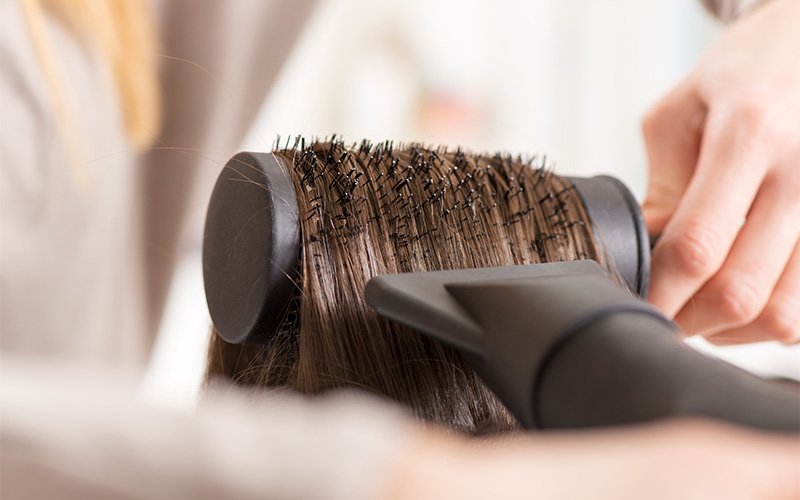
If your hair feels rougher, drier, or more brittle after blow-drying, start by changing how you dry it. Here are some hair drying tips:
- Lower the temperature
- Keep the dryer further from your hair
- Avoid concentrating heat on one area for too long
- Stop once the scalp and roots are comfortably dry
Before adding multiple repair products, we recommend seeing whether these simple changes improve how your hair and scalp feel over the next few washes.
2. Focus on Restoring Moisture to the Hair
If your hair feels dry, rough, frizzy, or more prone to breakage after frequent heat styling, focus on restoring moisture and reducing further stress to the hair fibre. Use a conditioner or treatment through the mid-lengths and ends, where heat-related dryness is often most noticeable.
It can also help to minimise other sources of damage while your hair recovers, such as frequent straightening, curling, bleaching, or aggressive brushing. This can help make your hair easier to manage while giving it time to regain softness and smoothness.
3. Pay Attention to New Scalp Sensitivity
New itching, tightness, tenderness, or an unusually warm feeling after drying may indicate that your scalp is becoming more reactive. Other signs can include redness, flaking, stinging when applying products, or discomfort when touching or brushing the scalp.
It is worth noticing whether these symptoms appear only after blow-drying or alongside other changes, such as a new shampoo, recent hair colouring, increased oiliness, or more frequent styling. Persistent or worsening sensitivity may point to an underlying scalp issue that needs closer attention rather than simply reducing heat.
4. Consider a Professional Scalp Assessment
Persistent discomfort after changing your drying habits may point to an underlying scalp concern rather than heat exposure alone. At Bio Organicare, we don’t start by deciding which treatment you need. We first use a digital scalp analysis to assess factors such as oil balance, dryness or congestion, sensitivity and reactivity, follicle condition, density patterns, and overall scalp stability.
What happens next depends on your scalp’s condition and what it needs. A dry or tight scalp may need greater emphasis on moisture and comfort, while a sensitive or reactive scalp may require care that focuses on calming reactivity, supporting the scalp barrier, and removing residue without over-cleansing. This condition-first approach helps us address the scalp in the right order, rather than assuming that every case of discomfort after blow-drying is simply heat damage.
Conclusion
While blow-drying is not necessarily bad for your hair and scalp, the way you use heat can make a significant difference. High temperatures, close contact, and prolonged drying may contribute to dryness, frizz, breakage, or scalp discomfort, while gentler settings and better technique can help reduce unnecessary stress.
At Bio Organicare, we look beyond the hair dryer itself. Through professional scalp analysis, we assess factors such as oil balance, dryness, congestion, sensitivity, follicle condition, and overall scalp health before recommending personalised care. If your scalp still feels uncomfortable despite changing your drying habits, explore our scalp treatments or book a consultation with us to better understand what your scalp may need.
Frequently Asked Questions
1. Should I use a heat protectant before blow-drying?
A heat protectant can help reduce moisture loss and friction during heat styling, particularly if you blow-dry frequently or use higher temperatures. Apply it mainly through the mid-lengths and ends rather than directly onto the scalp unless the product is specifically formulated for scalp use.
2. Is it okay to blow-dry your hair every day?
Daily blow-drying is not automatically harmful if you use moderate heat, keep the dryer moving, and avoid over-drying. However, if your hair starts feeling rough, brittle, or increasingly frizzy, it may be a sign to reduce the heat or give your hair more recovery time between styling sessions.
3. Should I blow-dry my scalp or just the hair lengths?
We usually recommend drying the scalp and roots first, especially in Singapore’s humid climate where moisture can linger for longer. Use moderate heat and good airflow, then move through the lengths without spending longer than necessary.