- Your cart is empty Browse Shop
Key Takeaways
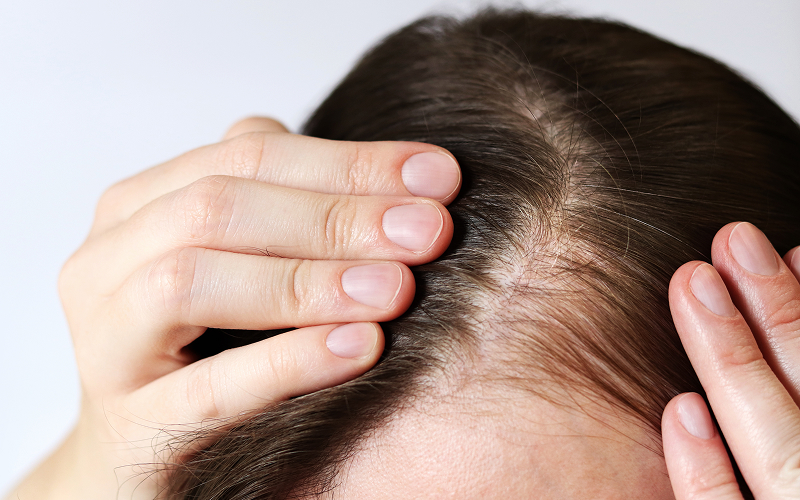
- Hair loss often starts with subtle changes, such as increased shedding, reduced volume, a widening part line, or finer strands.
- The pattern of your hair loss can provide clues about the underlying cause, whether it is stress, scalp imbalances, nutritional deficiencies, hormonal changes, or styling damage.
- Healthy hair growth depends on a healthy scalp, making scalp care just as important as hair care.
- Consistent habits such as balanced nutrition, stress management, and gentle styling can help prevent hair loss and support healthier hair growth.
- A professional scalp analysis can help identify underlying scalp issues early, allowing for more targeted care before further thinning.
Introduction
Hair loss can be worrying, especially when it becomes more noticeable over time. For many people, it does not happen overnight but builds gradually due to changes in the scalp, lifestyle, or overall health. Living in Singapore’s humid climate doesn’t help either, as sweat and sebum can easily clog follicles, accelerating issues like shedding.
The good news is that learning how to prevent hair loss and reduce thinning does not always require drastic solutions or harsh chemical interventions. By paying attention to early signs and consistently supporting your scalp, you can create a healthier environment for stronger, more resilient hair to grow.
What are the Early Signs of Hair Loss?
1. Shedding More Hair Than Usual
It is normal to lose around 50 to 100 strands of hair a day as part of the natural hair cycle. However, if you start noticing significantly more hair on your pillow, in the shower, or on your brush, especially over a sustained period, it may be worth paying closer attention.
2. A Widening Part Line
A slightly visible part is normal, especially under bright lighting. If your part gradually widens over time or you notice more scalp showing than before, it could indicate a reduction in hair density.
3. Reduced Volume
Hair that once felt thick and full may start to look flatter or feel less substantial. You might first notice this when tying your hair up or when comparing recent photos with older ones.
4. Weaker, Finer Strands
Some breakage is expected, especially with styling. However, if your hair starts to feel noticeably finer, breaks more easily, or does not seem to grow as long as before, it may suggest that the follicles are not functioning as strongly as they used to. When follicles shrink or lack nutrients, they produce weaker strands that are more susceptible to premature shedding.
Identify the Cause of Your Hair Loss
Hair loss can happen for different reasons, and the pattern you notice often gives useful clues.
1. If Your Hair Loss Started After a Stressful Period
Stress-related hair shedding begins a few weeks or months after a stressful event. This may include work pressure, poor sleep, illness, emotional stress, or major lifestyle changes. You may notice more hair falling out suddenly when washing or brushing, even if your scalp otherwise feels normal.
2. If Your Scalp Feels Oily, Itchy, or Uncomfortable
When hair loss comes with itchiness, flakes, excess oil, redness, or tenderness, it may point to a scalp environment that is not supporting healthy growth. For example, buildup can leave the roots feeling greasy and heavy, while irritation may make the scalp feel tight, sensitive, or easily inflamed. Over time, these conditions can make the scalp less comfortable and affect how well hair grows from the follicle.
3. If the Thinning Feels Gradual Rather Than Sudden
A slow, progressive reduction in hair volume usually indicates that your hair follicles are shrinking over time, a process also known as ‘follicle miniaturisation’. Instead of falling out all at once, the hair follicles produce increasingly thinner, weaker strands with each consecutive growth cycle. This is usually caused by natural ageing, hormonal changes, or genetic predispositions to thinning hair.
4. If Your Hair Loss Coincides with Changes in Diet or Routine
Increased shedding after periods of dieting, irregular meals, or sudden lifestyle changes may be linked to nutritional gaps. Hair follicles are highly sensitive to these changes; because hair is a non-essential tissue, your body redirects nutrients to vital organs first during a deficit. This disruption quickly shows up as weaker strands or slower regrowth.
5. If Your Hair Feels Weaker or Breaks Easily
When hair loss appears alongside dryness, brittleness, or breakage, external damage may be a contributing factor. Frequent heat styling, tight hairstyles (like high ponytails or buns), or harsh chemical treatments can weaken both the hair matrix and the scalp over time, leading to mechanical shedding and structural damage.
How to Reduce and Combat Hair Loss
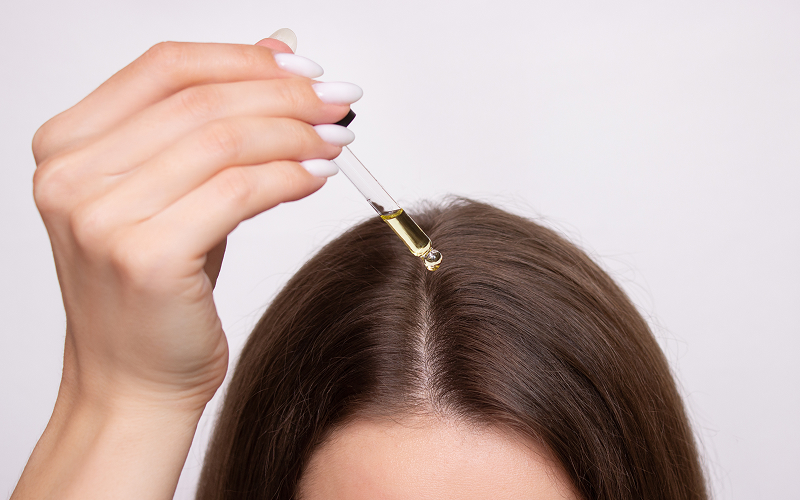
Once you understand what might be triggering your shedding, you can take practical, holistic steps to prevent hair loss and restore balance to your hair cycle.
Be Mindful of Styling and Chemical Treatments
Frequent heat styling, colouring, perming, or rebonding can weaken the hair shaft and irritate the scalp, especially if your scalp is already sensitive. Try spacing out chemical treatments, lowering the heat on styling tools, and avoiding tight hairstyles that pull on the roots. These simple changes can help reduce unnecessary strain on both your hair and scalp.
Support Hair Health Through Balanced Nutrition and Hydration
Hair growth depends on steady nourishment. Eating balanced meals with enough protein, iron, zinc, and other nutrients can support the follicles as they move through the hair growth cycle. Staying hydrated can also support your scalp condition, helping to prevent hair fall caused by dryness and irritation.
Manage Stress in Sustainable Ways
To help prevent stress-related hair loss, build small recovery habits into your daily routine. Take short breaks during work, get enough rest, stretch, or practise mindfulness to help your body settle from constant pressure. These habits may seem simple, but when done consistently, they can support a healthier scalp environment and a more stable hair cycle.
Use Supportive Products Consistently, Not Excessively
It can be tempting to try more shampoos, serums, tonics, and treatments to try and prevent further hair loss. However, using too many products can make the scalp feel overloaded or more reactive. It’s best to keep to a simpler routine that suits your scalp and hair condition. For example, a natural shampoo for hair loss, conditioner, and targeted serum may be enough to support scalp balance and nourish the roots over time. Consistency matters more than constantly switching products.
Focus on Your Scalp as the Foundation of Healthy Hair
Instead of concentrating only on your hair strands, prioritising scalp care is key. Keeping the scalp clean, balanced, and free from buildup directly supports healthier follicle function. For those experiencing persistent hair loss, a professional scalp analysis can provide clearer insights into the underlying issues.
At Bio Organicare, we offer hair fall treatments built on this scalp-first philosophy, combining detailed analysis with gentle, bio-organic formulations. Our PlasmaCell-X technology, for example, is designed to support deep scalp circulation, responsiveness, and vitality, encouraging stronger and healthier hair growth.
Conclusion
Dealing with hair loss can feel overwhelming, but it is often easier to manage when you notice the early signs and respond consistently. Small changes such as being gentler with styling, eating more regularly, managing stress, and choosing suitable scalp care can all support healthier hair growth over time.
Most importantly, do not wait until thinning becomes more obvious before taking action. If your shedding continues or your scalp feels uncomfortable, get a proper scalp analysis at Bio Organicare to uncover the root causes of your hair issues and experience our natural, organic approach first-hand.
Make an appointment with us today.
Frequently Asked Questions
Q1: When should I seek professional help for hair loss?
If you’ve tried home remedies without success or if hair loss is severe, it’s advisable to consult a dermatologist for tailored treatments and to rule out any underlying conditions.
Q2: Can frequent hair washing cause more hair loss?
No, washing your hair regularly does not cause hair loss. The hair that sheds in the shower is already in the resting (telogen) phase and was bound to fall out anyway. In fact, keeping your scalp clean is essential, especially in Singapore’s humid climate, as leaving excess oil, sweat, and pollution on your scalp can clog hair follicles and lead to inflammation, which can accelerate thinning.
Q3: Is it possible to reverse hair loss once it has started?
It depends on the condition of your hair follicles. If the follicles are still active but producing weaker, thinner strands, improving scalp health and addressing underlying triggers may help support healthier growth. However, follicles that have been inactive for a long time may be less responsive. This is why early intervention is important, as it gives you a better chance of maintaining follicle function and prevent further hair loss.