- Your cart is empty Browse Shop
Key Takeaways
- Hair thinning often begins with subtle changes such as reduced volume, finer strands, and a more visible part line.
- Hair thinning and hair loss are different conditions and may require different approaches.
- Scalp health plays an important role in supporting stronger, fuller-looking hair over time.
- Consistent scalp care habits can help maintain hair density and avoid further hair thinning.
- Early intervention and professional scalp analysis may help identify issues before they become more noticeable.
Introduction
When people think about thinning hair, they often imagine visible bald spots or excessive hair shedding. In reality, hair thinning usually begins much earlier and much more subtly. Changes in hair density can develop gradually over months or even years, making them easy to overlook until your hair no longer looks or feels the same.
The good news is that maintaining fuller-looking hair is often less about reacting to severe thinning and more about recognising early warning signs, supporting scalp health, and building consistent habits. Understanding how to avoid hair thinning starts with knowing what affects hair density in the first place and what you can do to support healthier hair growth over the long term.
Is Hair Thinning the Same as Hair Loss?
Many people assume that hair thinning and hair loss are the same thing, but they often present differently.
- Hair loss typically refers to increased shedding, in which more hair than usual falls out.
- Hair thinning refers to a gradual reduction in hair density, where hair may still be growing but appears less full over time.
In reality, the two can sometimes happen together. For example, a period of increased shedding may reduce overall density, while long-term changes in follicle activity can cause new strands to grow back finer than before.
How to Tell If Your Hair Is Thinning
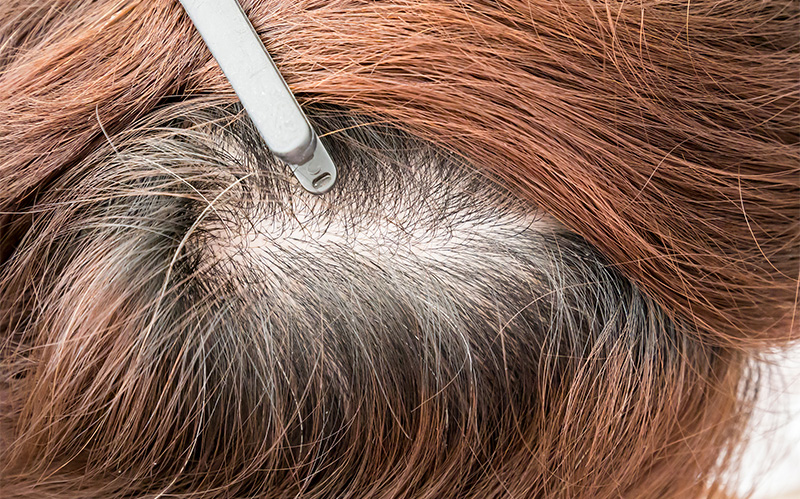
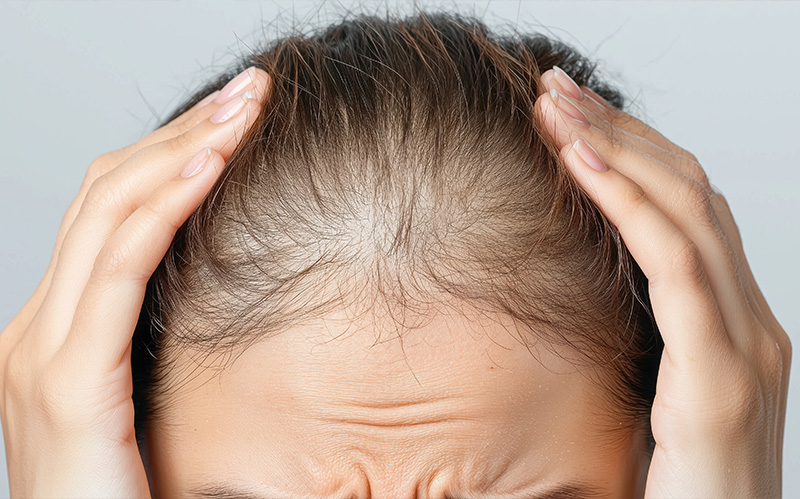
Hair thinning often begins with subtle changes and develops gradually over time, which is why they are often overlooked until the difference becomes more noticeable. Some of the most common early signs include:
- Your hair feels flatter than usual
- Your part line looks more visible
- Your strands feel finer or more fragile than they used to, even if you have not changed your haircare routine.
- Your ponytail feels smaller
- Your hair does not grow as long as before
While experiencing one of these signs does not necessarily mean you are developing significant thinning, noticing several of them together may warrant closer attention. The earlier you recognise changes in hair density, the easier it becomes to take steps to avoid hair thinning and support long-term scalp and hair health.
Common Reasons for Hair Fall and Thinning
Hair thinning is rarely caused by a single factor. In many cases, it develops gradually due to a combination of genetic, hormonal, lifestyle, and scalp-related influences.
Genetics
Genetics is one of the most common causes of long-term hair thinning. If close family members have experienced thinning hair, you may be more likely to notice similar changes over time. This often appears as a widening part line, reduced overall density, or thinning around the crown.
Hormonal Changes
Hormones play an important role in regulating the hair growth cycle. Major life stages and hormonal shifts, such as pregnancy, postpartum recovery, menopause, or certain thyroid conditions, can affect how long hair remains in its growth phase. These changes may lead to increased shedding, reduced density, or slower regrowth.
Physical and Emotional Stress
Periods of significant stress can sometimes disrupt the normal hair growth cycle. Rather than causing immediate hair fall, stress-related thinning often becomes noticeable several weeks or even months after a major event such as illness, surgery, burnout, or a particularly demanding period of life. This occurs because more hairs than usual enter the resting phase before eventually shedding.
Nutritional Imbalances
Hair follicles require a steady supply of nutrients to produce healthy strands. Diets that lack sufficient protein, iron, zinc, vitamin D, or other essential nutrients may affect hair quality and growth over time. Even when deficiencies are mild, they can contribute to increased shedding or reduced hair density if left unaddressed.
Hair and Scalp Damage
Repeated exposure to heat styling, bleaching, colouring, chemical treatments, or tightly pulled hairstyles can place ongoing stress on both the hair and scalp. These habits can weaken the hair structure, increase breakage, and make thinning appear more noticeable over time.
Underlying Health Conditions and Certain Medications
In some cases, hair thinning may be linked to an underlying medical condition. Autoimmune disorders, certain scalp conditions, infections, and other health issues can affect the normal hair growth cycle. Some medications can also affect hair growth as a side effect. If hair thinning is sudden, severe, or accompanied by other symptoms, it may be worth seeking professional medical advice.
How to Avoid Hair Thinning and Maintain Density
Choose Gentle, Scalp-Friendly Shampoos
The shampoo you use regularly can influence your overall scalp condition. If you experience dryness, sensitivity, or frequent scalp discomfort, consider switching to a gentler formulation that cleanses effectively without stripping away too much of the scalp’s natural moisture.
At Bio Organicare, we offer natural shampoos formulated for concerns like hair loss, free from ingredients such as sulphates, parabens, and alcohol. While no shampoo can single-handedly reduce hair thinning, using products that support scalp comfort and balance may help create a healthier environment for hair growth over time.
Limit Heat Styling and Space Out Chemical Treatments
Try not to use heat tools at the highest temperature settings every day. If possible, allow your hair to air-dry partially before blow-drying, use a heat protectant, and reserve curling irons or straighteners for occasions when they are truly needed.
For chemical treatments such as colouring, bleaching, perming, or rebonding, avoid booking appointments too close together. As a general guideline, allow 6–8 weeks between colouring sessions, and follow your stylist’s recommendations before undergoing any additional chemical treatments. Giving your scalp and hair time to recover can help minimise cumulative damage that may contribute to breakage and thinning.
Get a Scalp Analysis if Thinning Continues
If you notice that thinning is progressing despite maintaining healthy habits, it may be time to look beyond the hair itself and assess the scalp. At Bio Organicare, we will conduct a professional scalp analysis to identify factors such as buildup, imbalances, or reduced follicle activity that may not be visible to the naked eye. From there, our specialists will recommend hair and scalp treatments customised to your needs.
In some cases, the issue may be linked to scalp congestion or reduced follicle responsiveness. In others, it may be related to irritation, excess oil, or age-related changes in the scalp environment. Depending on the findings, our specialists may recommend targeted hair fall treatments, such as our Scalp Activation & Regeneration (PlasmaCell-X) programme. These treatments are designed to improve scalp circulation and follicle responsiveness, creating a healthier environment for hair growth.
Conclusion
Hair thinning is often a gradual process, but that also means there is an opportunity to take action before the changes become more significant. By recognising the early signs, maintaining good hair care habits, and addressing potential triggers, you can avoid hair thinning and support hair density and overall scalp condition over time.
At Bio Organicare, we take a scalp-first approach to care, combining customised organic treatments, bio-organic formulations, and technology-supported solutions tailored to your individual needs. Whether you are beginning to notice changes in your hair or simply want to maintain a balanced scalp environment, our team is here to support you every step of the way.
Book an appointment with us today.
Frequently Asked Questions
Q1: Is hair thinning a normal part of ageing?
Some changes in hair density can occur with age as hair follicles become less active and hair growth cycles gradually shorten. However, noticeable thinning is not something you should automatically accept as inevitable. Maintaining good scalp care habits and addressing concerns early may help support healthier hair as you age.
Q2: Can hair thinning be reversed?
This depends on the underlying cause and how early it is addressed. In some cases, improving scalp condition, lifestyle habits, or overall hair care practices may help support healthier hair growth. The sooner changes are identified, the more options are typically available to manage them.
Q3: How long does it take to see improvements when addressing hair thinning?
Hair grows relatively slowly, so meaningful changes often take time. Depending on the individual and the approach taken, it may take several months before improvements in hair density, thickness, or overall appearance become noticeable. Consistency is key.