
- Your cart is empty Browse Shop
How to Reduce the Risk
Hair colouring is one of the most common triggers for scalp sensitivity even for people who have coloured their hair for years without issues.
Burning, itching, tightness, redness, or prolonged discomfort after colouring are not “normal reactions”. They are signs that the scalp barrier is under stress.
Understanding why this happens is the first step to colouring safely especially if you have a sensitive or ageing scalp.
Why Hair Colour Can Irritate the Scalp
Most conventional hair colouring processes are designed to prioritise pigment penetration and colour longevity not scalp health.
Common reasons scalp sensitivity develops include:
1. Chemical Exposure on the Scalp
Permanent and semi-permanent dyes often involve alkaline agents that open the hair cuticle. When these chemicals sit directly on the scalp, they can disrupt the scalp’s protective barrier.
2. Compromised Scalp Barrier
If the scalp is already dry, inflamed, oily, or weakened by stress, hormones, or age, it becomes more reactive to colour formulas that were previously tolerated.
3. Repeated Colouring Over Time
Sensitivity often develops gradually. Frequent colouring without proper scalp support can lead to cumulative irritation, even if reactions were mild at first.
4. Confusing Sensitivity with “Normal Discomfort”
Many people ignore early signs like tightness or itchiness, assuming it’s part of colouring. Over time, these signals escalate into persistent sensitivity or hair thinning concerns.
Sensitive Scalp vs Allergy – What’s the Difference?
Not all reactions are allergies.
Sensitive scalp reactions tend to feel uncomfortable but settle after a few days.
Allergic reactions may involve intense itching, swelling, rashes, or prolonged inflammation.
This distinction matters because sensitive scalps can often continue colouring safely, if the approach is adjusted correctly.
That’s why consultation and scalp assessment are essential before colouring, especially for those with recurring discomfort.
How to Reduce Scalp Sensitivity During Hair Colouring
Reducing risk doesn’t mean giving up hair colour. It means changing how colouring is done.
Key principles include:
Scalp-First Assessment
Understanding scalp condition before colouring helps determine whether the scalp needs calming, balancing, or strengthening support first.
Understanding scalp condition before colouring helps determine whether the scalp needs calming, balancing, or strengthening support first.
Gentler, Scalp-Compatible Colour Systems
Colour formulas should be chosen based on scalp tolerance not just shade outcome.
Colour formulas should be chosen based on scalp tolerance not just shade outcome.
Controlled Application Techniques
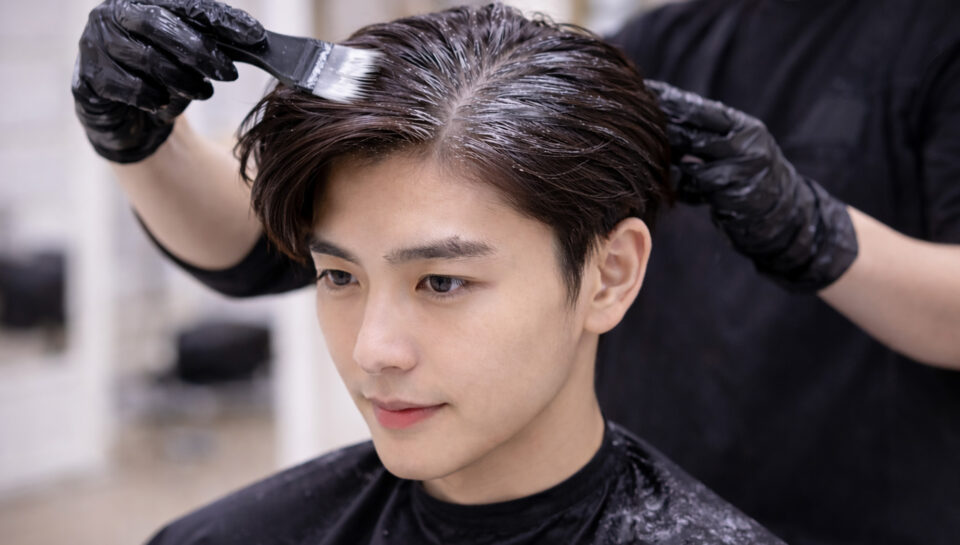
Minimising unnecessary scalp exposure while ensuring even coverage can significantly reduce irritation.
Minimising unnecessary scalp exposure while ensuring even coverage can significantly reduce irritation.
Post-Colour Scalp Recovery Support
Soothing and restoring the scalp after colouring helps prevent lingering sensitivity and future reactions.
Soothing and restoring the scalp after colouring helps prevent lingering sensitivity and future reactions.
A Safer Approach to Hair Colour for Sensitive Scalps
At Bio Organicare, hair colouring is approached as a scalp care process, not just a cosmetic service.
Our Organic Hair Colour Therapy is designed for individuals who want grey coverage or colour enhancement without compromising scalp comfort or long-term scalp health.
Instead of forcing colour onto the scalp, we focus on:
Understanding scalp condition first
Reducing unnecessary irritation risks
Supporting the scalp before, during, and after colouring
This approach is especially suitable for those who have experienced discomfort, tightness, or hair thinning after previous colouring sessions.
When to Seek Professional Guidance
If you experience any of the following, it’s a sign to reassess your colouring approach:
Burning or itching during or after colouring
Redness that lasts more than a day
Increased hair fall after colour sessions
Scalp tightness or discomfort that worsens over time
A proper scalp consultation can help determine whether colouring is still suitable and how to do it safely.
Scalp comfort should never be the price you pay for hair colour.
With the right assessment and scalp-first approach, colouring can be both effective and gentle even for sensitive or ageing scalps.