
- Your cart is empty Browse Shop
How to Tell the Difference Before Hair Colouring
It’s common for people to say,
“I think I’m allergic to hair colour.”
But in reality, not all scalp reactions are allergies.
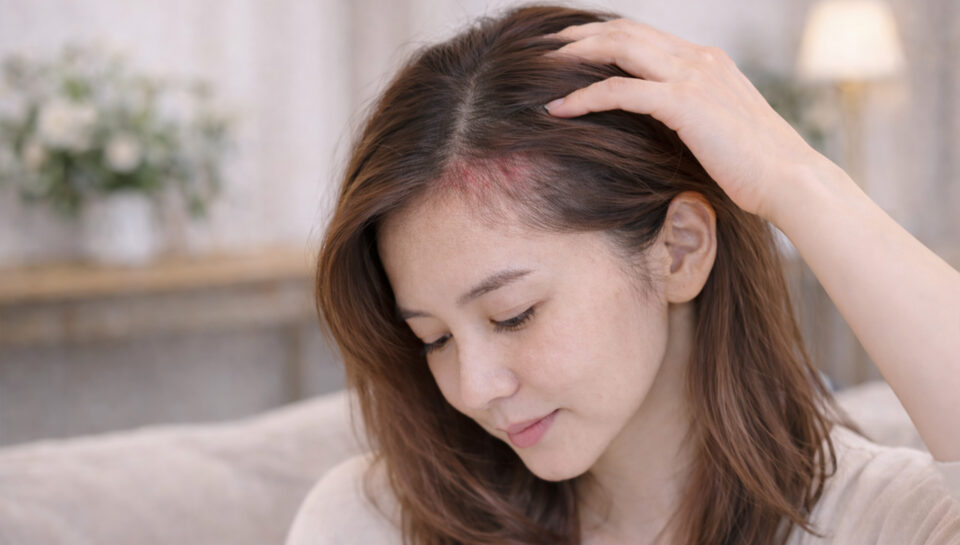
Many people experience discomfort after colouring such as itchiness, tightness, or mild burning and assume they can no longer colour their hair safely. In many cases, the issue is actually scalp sensitivity, not a true allergic reaction.
Knowing the difference matters because it determines what is safe, what needs adjustment, and when colouring should be avoided altogether.
What Is a Sensitive Scalp?
A sensitive scalp reacts easily to stimulation or stress, even when no allergy is present.
Common signs of a sensitive scalp include:
Itchiness or tightness during or after colouring
Mild burning or tingling that settles within a day or two
Redness without swelling
Scalp discomfort that improves with soothing care
Sensitive scalps are often linked to:
Dry or weakened scalp barrier
Stress or fatigue
Hormonal changes
Frequent colouring
Ageing scalp changes
Importantly, a sensitive scalp can often continue hair colouring, as long as the approach is adjusted.
What Is an Allergic Reaction?
An allergic reaction is the immune system responding aggressively to a specific ingredient.
Signs of a possible allergy may include:
Intense itching or burning
Swelling of the scalp, forehead, ears, or face
Rashes, hives, or oozing
Symptoms that worsen over time instead of settling
Reactions lasting several days or longer
Allergic reactions are not normal and should never be ignored.
If an allergy is suspected, hair colouring should be stopped immediately, and professional medical advice may be required.
Why People Often Confuse the Two
Sensitive scalp reactions and allergies can feel similar at first especially during colouring.
The difference often lies in:
Severity (mild discomfort vs intense reaction)
Duration (temporary vs prolonged)
Pattern (improves vs escalates)
Because many people are never assessed properly, they either:
Continue colouring despite ongoing discomfort
or
or
Avoid colouring completely out of fear
Both situations can be avoided with the right guidance.
Why Scalp Assessment Is Essential Before Colouring
Without understanding the scalp condition, it’s impossible to know whether discomfort is due to:
Temporary sensitivity
Scalp imbalance
Barrier weakness
Or true allergy risk
This is why a scalp analysis and consultation should always come before colouring for individuals who:
Have reacted to colour before
Have sensitive or ageing scalps
Experience discomfort even with “gentle” dyes
A proper consultation helps determine:
Whether colouring is suitable
How to reduce irritation risk
Or whether colouring should be postponed
Colouring Safely with a Sensitive Scalp
For individuals with sensitive (but non-allergic) scalps, colouring may still be possible with a scalp-first approach.
This typically involves:
Assessing scalp condition beforehand
Choosing scalp-compatible colour systems
Adjusting application techniques
Supporting the scalp before and after colouring
Our Organic Hair Colour Therapy for Sensitive Scalps is designed with these principles in mind prioritising scalp comfort while achieving natural colour results.
When to Choose Consultation Over Guessing
You should consider a professional scalp consultation if you:
Feel unsure whether your reaction was sensitivity or allergy
Have stopped colouring due to fear of reactions
Experience discomfort every time you colour
Notice worsening reactions over time
A Scalp Analysis & Consultation helps clarify what your scalp can tolerate and what it cannot before any colouring or treatment decisions are made.
Not every reaction means “no more hair colour”.
Understanding your scalp properly allows you to make safer, more confident choices without unnecessary risk or avoidance.