
- Your cart is empty Browse Shop
Key Takeaways
- Most people naturally shed around 50 to 100 hairs each day.
- A change from your usual shedding pattern matters more than the exact strand count.
- Bald patches, a receding hairline, and sudden hair clumps are all signs that you are experiencing more hair loss than normal.
- Stress, hormonal changes, illness, nutrition deficiencies, styling habits, and scalp imbalance can all affect your hair.
- Seek professional advice if hair loss is sudden, patchy or accompanied by scalp inflammation.
- At Bio Organicare, we assess your scalp and hair condition before recommending a customised plan.
Introduction
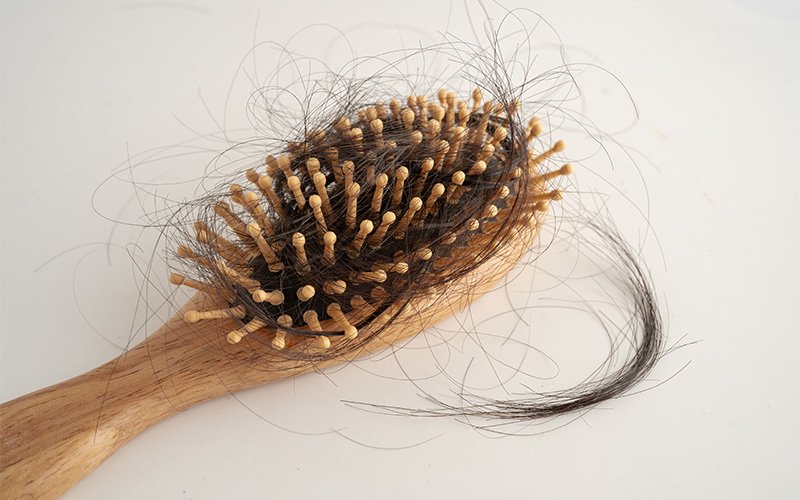
Have you been vacuuming more hair from the floor, clearing strands from the bathroom drain, or noticing a larger clump on your hairbrushes? At some point, you may find yourself wondering: “How much hair loss is normal, and when should I start worrying?”
Some amount of daily shedding is completely normal as your hair moves through its growth cycle. The more useful question is not whether you are losing hair, but whether you are losing more than is usual for you.
Below, we explain what normal shedding looks like, the signs of excessive hair loss, and when it may be time to seek support.
So, How Much Hair Loss Is Actually Normal?
Most people shed around 50 to 100 hairs a day, though up to 150 strands can still be typical depending on your personal hair growth cycle. Each strand of hair moves through a growth phase, a short transition phase, a resting phase and, finally, a shedding phase before the follicle begins producing a new hair.
This means some daily hair fall is expected. You may notice more strands at once on wash days, especially if you shampoo every few days and loose hairs have had time to accumulate.
Signs You Should Look Out For
A little extra hair in the shower is not always a cause for concern. However, you may need to keep an eye out for any of the following signs:
- Bald spots: If you notice a round or uneven patch where the scalp is suddenly more visible, this is unlikely to be normal shedding and should be checked by a doctor or dermatologist.
- Receding hairline: A hairline that is gradually moving back around the temples or forehead may point to pattern hair loss, especially if the change continues over time.
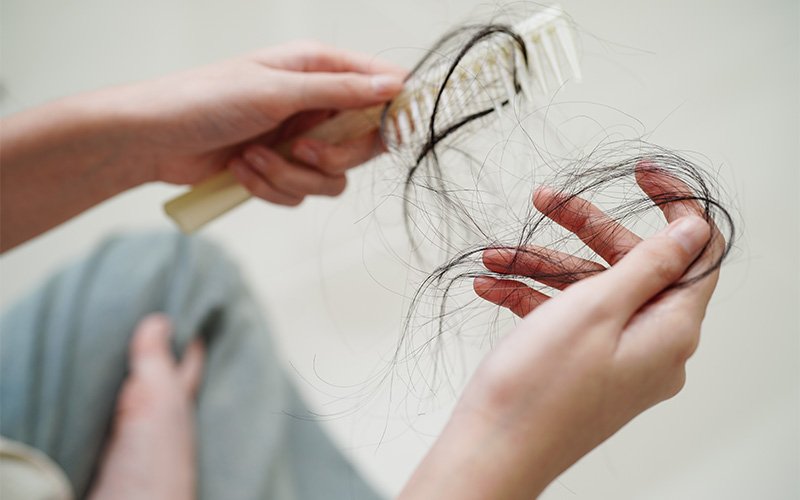
- Sudden clumps: Finding much larger clumps than usual in the shower, on your brush, or around the house can be a sign that more hairs have entered the shedding phase at the same time.
If these changes keep showing up or your hair is starting to look noticeably thinner, it is worth getting the pattern assessed.
Possible Causes of Excessive Hair Loss
There are many reasons why you may be experiencing more hair loss than normal, and it can be a combination of the following:
1. Stress and major life events
Major life events, surgery, high fever, illness, rapid weight loss and prolonged emotional stress can disrupt the normal hair growth cycle. Instead of shedding gradually, more hairs enter the resting phase at the same time, leading to heavier hair fall around two to four months later.
2. Hormonal changes
Childbirth, starting or stopping birth control, and menopause can lead to fluctuations in hormonal levels, especially estrogen and androgen. This can shorten the hair’s growth phase and increase shedding.
3. Health and nutrition changes
Hair needs adequate nutrients to grow normally. Low iron levels, inadequate protein intake and deficiencies in certain vitamins and minerals may contribute to increased shedding. If you suspect a deficiency, it is better to speak to a doctor instead of starting supplements on your own.
4. Medical conditions and medications
Certain medical conditions, including thyroid disorders, anaemia and autoimmune conditions such as alopecia areata, can cause hair loss. Some medications, including certain blood pressure medications, blood thinners, and cancer treatments, may also affect the hair growth cycle. If your hair loss starts suddenly or is accompanied by other symptoms, seek medical advice.
5. Hair styling habits
Repeated heat styling, frequent bleaching or colouring, aggressive brushing and tight hairstyles can weaken the hair shaft or place constant tension on the follicles. While these habits often lead to breakage rather than shedding from the root, they can still make your hair appear noticeably thinner.
6. Scalp conditions
A persistently oily, inflamed or flaky scalp does not always cause hair loss directly, but it can affect the environment in which hair grows. A professional scalp analysis can help identify concerns such as excess sebum, buildup, sensitivity, or irritation before recommending appropriate care.
How to Respond When Hair Loss Starts Increasing
1. Don’t Panic and Change Your Entire Routine Overnight
It can be tempting to buy multiple shampoos, serums, and supplements as soon as you notice more hair fall. However, changing everything at once makes it difficult to tell what is helping and may even irritate your scalp. We recommend sticking to a gentle, consistent routine while monitoring your hair over the next few weeks.
2. Check Whether the Hair Is Shedding or Breaking
Take a closer look at a few fallen strands. If you notice a small white bulb at one end, the hair has most likely shed naturally from the root. If the strands are shorter, uneven or snapped, breakage may be contributing more than true hair loss. Knowing the difference can help you decide whether to focus on improving your scalp health or protecting the hair shaft from damage.
3. Consider a Treatment That Matches Your Main Concern
Not everyone experiencing increased hair fall needs the same treatment. At Bio Organicare, we first assess your scalp and hair condition before deciding which approach is more suitable.
Depending on your needs, we may recommend:
- Treatment for excessive hair fall: Our Scalp Activation & Regeneration treatment using PlasmaCell-X focuses on encouraging scalp circulation and activation, improving follicle responsiveness and creating a healthier environment for ongoing hair growth.
- Treatment for reduced hair growth: Our hair growth treatment combines Regenerative Growth Factor Therapy with Prof. Steme Serum (PSS) to support scalp condition and improve the appearance of hair density over time. The treatment focuses on deeply cleansing, soothing scalp inflammation, and delivering concentrated nutrients and bio-active ingredients directly into the follicular layers.
Here, we design customised treatment plans that focus on the problem you are actually experiencing, rather than providing a one-size-fits-all solution.
4. Seek Medical Advice if Hair Loss Comes With Other Symptoms
Hair loss can sometimes be linked to an underlying health issue. Speak to a doctor if the shedding is sudden, patchy or accompanied by symptoms such as persistent fatigue, unexplained weight changes, or changes in your menstrual cycle.
Conclusion
A small amount of hair loss every day is normal, but it is worth taking a closer look when the amount increases, your hair feels thinner, or your scalp starts behaving differently. The next step depends on what is causing the change, so try not to rely on guesswork or switch between products too quickly.
At Bio Organicare, we begin with a professional consultation and scalp analysis to look at factors such as oiliness, buildup, inflammation, shedding patterns, breakage and visible thinning. We also ask about recent stress, hormonal changes, diet, styling habits and other lifestyle triggers that may be affecting your hair. Based on what we find, we can then recommend a more focused plan for excessive hair fall, reduced hair growth or ongoing scalp discomfort.
Visit our website to learn more about our scalp and hair treatments today.
Frequently Asked Questions
1. What is the difference between hair shedding and hair loss?
Hair shedding happens when strands complete their natural growth cycle and fall from the root. Hair loss refers to a reduction in growth, visible thinning, a receding hairline or bald patches. Shedding is usually temporary and spread evenly across the scalp, while hair loss may affect specific areas or continue without noticeable regrowth.
2. Should I wash my hair less often if I am shedding more?
Not necessarily. Washing does not usually cause the hairs to fall out; it simply releases strands that have already entered the shedding phase. Delaying washes may make the amount in the drain look larger because several days of loose hair are being removed at once. Focus on gentle cleansing and avoid vigorous scrubbing.
3. How long should I monitor increased hair fall before seeking help?
Monitor the pattern for around four to eight weeks if the increase is mild and you have no other symptoms. Seek advice sooner if the loss is sudden, patchy or rapidly worsening, or if it appears with scalp pain, significant redness, fatigue, or unexplained weight changes.