

- Your cart is empty Browse Shop
Key Takeaways
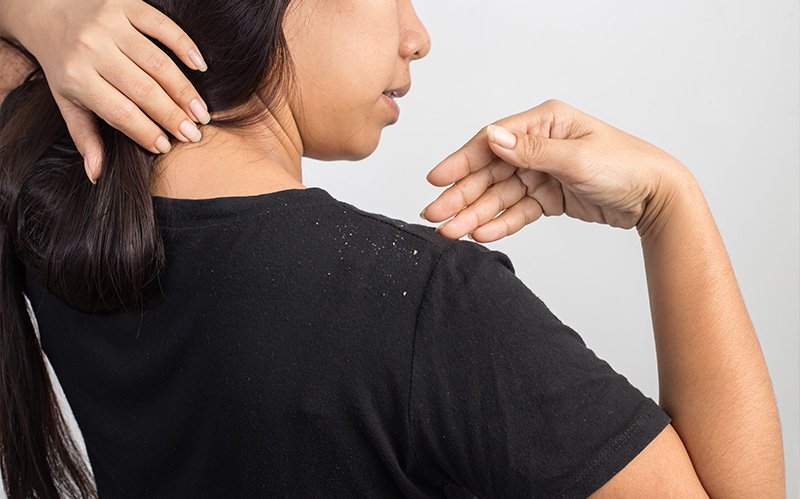
- Crusty spots can develop when dead skin, oil, sweat, irritation or product residue build up on the scalp.
- Dandruff, psoriasis, product reactions, folliculitis and fungal infections can all cause flaky or scaly patches.
- Scratching, picking, overwashing and using too many products may make the problem worse.
- Mild flaking may improve with a gentler, more consistent scalp routine, but painful and persistent patches that seem to be spreading should be checked by a doctor.
- A scalp assessment can be useful when recurring buildup or sensitivity is part of the problem, but it is not a substitute for medical diagnosis.
Introduction
If you’ve been finding crusty spots on your scalp, your first reaction might be to scrub them away or switch to a stronger shampoo. However, recurring patches are not always just a sign of poor cleansing. They can develop when the scalp becomes irritated, overly dry, oily or prone to buildup, and in some cases, they may be linked to a skin or follicle condition that needs closer attention.
Below, we explore the possible causes of scalp flaking and buildup, habits to avoid, and ways to improve your scalp’s condition.
What's Causing Crusty Spots on Your Scalp?
Possible Cause | What It May Look or Feel Like |
|---|---|
Seborrhoeic dermatitis | Greasy, flaky or crusty areas with white or yellowish scales |
Scalp psoriasis | Thicker, more defined dry patches that may look silvery or scaly |
Reaction to hair products | Flaking, rough patches or small crusty areas after using a new product |
Folliculitis | Small red bumps, pimple-like spots or scabs around individual follicles |
Fungal infection such as scalp ringworm | Scaly or sometimes circular patches on the scalp |
Dry or dehydrated scalp | Fine, dry white flakes or rough patches |
1. Seborrhoeic Dermatitis
Seborrhoeic dermatitis is one of the most common reasons for a flaky, greasy or crusty scalp. It is closely linked to excess oil, changes in skin turnover and the scalp’s reaction to a naturally occurring yeast called Malassezia.
You may notice yellowish flakes, itchiness, and areas that feel oily yet still flaky. These patches often show up around the crown, hairline, behind the ears or nape.
2. Scalp Psoriasis
Scalp psoriasis is a condition that causes skin cells to build up more quickly than usual, leading to thicker, more defined patches on the scalp. These patches may look dry, rough or silvery-white, and they can sometimes extend beyond the hairline onto the forehead, neck or behind the ears.
Compared with dandruff, scalp psoriasis is usually more persistent and may involve redness, soreness, or a tight, uncomfortable feeling. You may also notice similar patches on other parts of the body, such as the elbows, knees or lower back.
If you have thick plaques and recurring flaking that seems to be spreading, it is best to speak with a doctor or dermatologist for an accurate diagnosis and appropriate medical treatment.
3. A Reaction to Hair Products
Sometimes the issue may be caused by the introduction of a new product. Hair dye, dry shampoo, scalp oils, styling sprays, fragranced shampoos or leave-in products can all irritate a sensitive scalp. If flaking occurs alongside other symptoms of scalp irritation, such as itching, redness, stinging, burning, tenderness or a tight feeling, the product may be contributing to the problem.
4. Folliculitis or Inflamed Hair Follicles
Folliculitis occurs when individual hair follicles become irritated or infected. Rather than causing widespread flakes, it often appears as small red bumps or pimple-like spots on the scalp. These bumps may feel itchy, sore or tender, and can form small scabs as they dry or heal.
It may be more likely to develop when sweat, oil or product residue sits on the scalp for long periods. Wearing helmets, caps or other headwear regularly, using heavy scalp products, or frequently touching and scratching the area can also make the follicles more irritated.
5. Fungal Infection Such as Scalp Ringworm
Scalp ringworm, also called tinea capitis, is a fungal infection that can cause scaly patches, itchiness and broken hairs. Some people notice circular areas of scaling, while others may see patchy thinning or hair that breaks close to the scalp.
Unlike ordinary dandruff, ringworm usually needs prescription treatment. It is worth seeking medical advice if the patch is spreading, painful, swollen, or associated with hair loss or broken hairs.
6. A Dry or Dehydrated Scalp
Sometimes, the explanation is simpler. Hot showers, frequent shampooing, harsh cleansers, chemical treatments, or air conditioning can leave the scalp dry and flaky. Dryness-related flakes are usually smaller and lighter in colour. Your scalp may feel tight or mildly itchy, but there is often less oiliness and redness compared with dandruff-related conditions.
Habits to Avoid if You Have Crusty Spots on Your Scalp
A few everyday habits can make crusty patches more noticeable or take longer to settle:
- Scratching or picking at the scalp: This can create tiny wounds, worsen irritation and cause the area to scab again. Use your fingertips, not your nails, when washing.
- Washing too often or not often enough: Harsh, frequent washing can dry out the scalp, while infrequent cleansing can allow sweat, oil and residue to build up. Aim for a routine that leaves your scalp feeling clean but not tight.
- Using too many scalp products: Dry shampoo, scalp oils, root sprays and leave-in products can collect near the roots. If the spots keep returning, simplify your routine for a couple of weeks and avoid applying unnecessary products directly onto the scalp.
How to Care for a Crusty, Flaky Scalp
1. Cleanse Your Scalp Properly
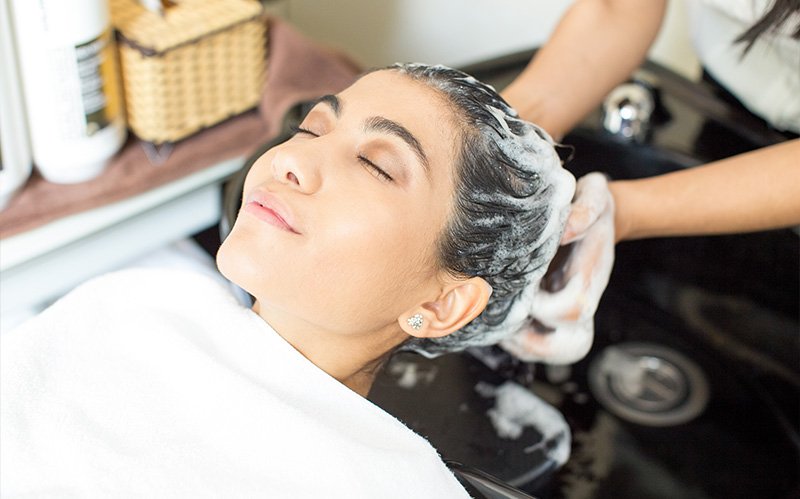
Start by looking at how you wash your hair. Wet your scalp thoroughly, then apply shampoo directly along your partings instead of mainly through the lengths of your hair. Gently massage with your fingertips for 20 to 30 seconds before rinsing well.
Pay extra attention to areas where oil, sweat and residue tend to collect, such as the crown, hairline and nape. Avoid scratching with your nails, as this can irritate the patches further or cause small wounds.
2. Keep Your Routine Simple for a While
If the crusty patches appeared after introducing a new product, pause it and give your scalp time to settle. Hair dyes, dry shampoo, heavily fragranced shampoos, styling sprays and scalp oils can all be potential triggers, especially if your scalp is already sensitive.
Try sticking to a simple routine for two to three weeks. Use one gentle shampoo, avoid unnecessary leave-in products on the scalp, and note whether the flakes, itchiness, or rough patches improve.
3. Consider Targeted Treatments for Flakes
If flakes and crusty spots on your scalp keep returning despite a simpler routine, it may be worth taking a closer look. At Bio Organicare, a detailed scalp analysis can help identify visible concerns such as excess oil, product residue, flaking and signs of sensitivity, so your care plan is based on your scalp’s current condition rather than guesswork.
For concerns related to recurring buildup, oiliness, or a flaky scalp, our Scalp Maintenance & Repair treatments help clear excess residue while leaving the scalp feeling cleaner, calmer, and more balanced. This gives you a gentler, more organic alternative to harsher off-the-counter products you may be using at home.
4. Know When to Seek Medical Advice
Seek medical treatment if:
- The patches on your scalp are painful, spreading, oozing, or pus-filled
- The flaking does not improve after a few weeks of a simpler, more consistent routine.
This can help rule out conditions such as psoriasis, folliculitis, or a fungal infection, which may require more targeted medical treatment.
Conclusion
Once you have ruled out a medical cause, it’s important to stop treating every flare-up as a one-off problem. A scalp that is repeatedly oily, congested, flaky, or sensitive may need a routine that addresses the underlying pattern, rather than another, stronger shampoo.
If you are dealing with recurring crustiness, oiliness, buildup, or scalp discomfort, Bio Organicare can help you take a closer look at what may be contributing to these issues. Through a detailed scalp analysis, the team can assess visible concerns such as residue, excess oil and sensitivity before recommending suitable scalp care support.
Book a consultation with us today to explore a more targeted approach to long-term scalp comfort and balance.
Frequently Asked Questions
Q1: Can crusty patches on the scalp cause hair loss?
Scratching or picking at crusty patches can sometimes lead to breakage or temporary shedding. However, patchy hair loss, broken hairs, or thinning around the affected area may indicate an underlying condition such as a fungal infection, folliculitis, or psoriasis, so it is best to see a doctor.
Q2: Can I use scalp oil on crusty patches?
It depends on what is causing the patches. If your scalp is dry, a lightweight product may feel soothing. However, applying oils to an oily, dandruff-prone, or irritated scalp can sometimes worsen buildup. When in doubt, keep your routine simple and avoid adding new products until you understand what is triggering the issue.
Q3: Can stress make crusty patches on the scalp worse?
Stress does not directly cause every scalp condition, but it can sometimes trigger or worsen flare-ups in people prone to dandruff, seborrhoeic dermatitis or psoriasis. Poor sleep, sweating more than usual and changes in your routine may also make the scalp feel oilier or more irritated.