
- Your cart is empty Browse Shop
Key Takeaways
- Scalp oiling may improve moisture, comfort and hair flexibility, but it does not directly change your natural hair growth cycle.
- Lightweight oils used sparingly are generally easier to manage than heavy or prolonged oiling routines.
- Dry or tight-feeling scalps may benefit more, while oily, sensitive or buildup-prone scalps should be more cautious.
- Scalp massage may support circulation, while oiling the hair shaft can help reduce friction and breakage.
- If thinning, shedding or scalp discomfort continues, a professional assessment and scalp treatment can help identify what your scalp may need.
Introduction
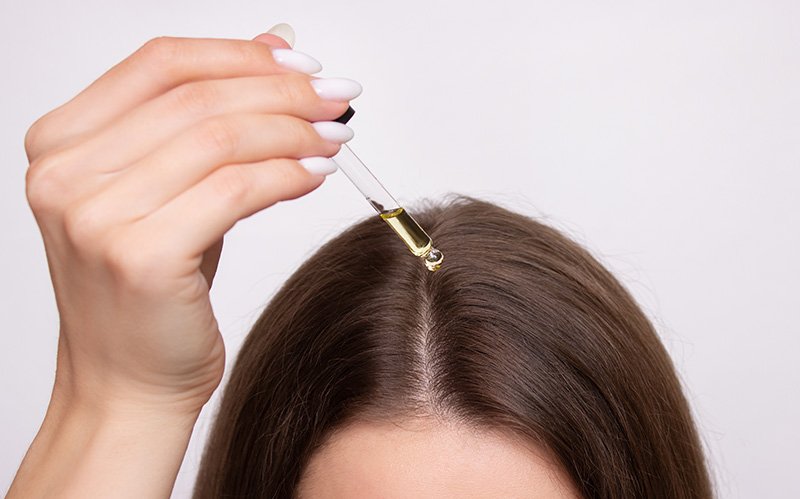
Hair and scalp oiling has become increasingly popular among people looking for gentler ways to care for their hair. It involves applying oils directly to the scalp, either on their own or with a gentle massage, before washing the hair. Social media routines often promote botanical oils and overnight treatments as simple ways to improve hair quality.
However, scalp oiling for hair growth is not suitable for everyone. Whether it helps depends on your scalp condition, the type of oil you use and how the routine fits into your regular hair care. Below, we explore what scalp oiling can realistically do and who may need to be more cautious.
Does Scalp Oiling Actually Help With Hair Growth?
Scalp oiling does not directly make your hair grow faster, but it may help your hair and scalp feel healthier in a few ways:
- Supports scalp circulation: Gently massaging oil into your scalp can temporarily increase blood flow to the area, helping oxygen and nutrients reach the hair follicles.
- Helps reduce breakage: Oil can coat the hair shaft, improve flexibility and reduce friction. This may help minimise breakage, allowing your hair to retain more length over time.
- Provides scalp nourishment: Oils rich in essential fatty acids may help soften dry areas, reduce moisture loss and support scalp comfort.
However, the type and amount of oil still matter. Lightweight botanical oils may suit occasional use, while richer oils can be harder to remove and may contribute to buildup, especially if your scalp is oily or prone to dandruff.
Who May Benefit From Hair and Scalp Oil?
1. Dry or Tight-Feeling Scalps
Scalp oiling may be more helpful if you have a dry scalp that tends to feel more uncomfortable after shampooing. Frequent cleansing, heat styling and long hours in air-conditioned spaces can all contribute to dryness. In these cases, a small amount of oil used occasionally may help reduce moisture loss and improve comfort without leaving the scalp heavily coated.
2. Dry, Coarse or Breakage-Prone Hair
Oiling may also help if your hair feels rough, tangles easily or breaks before it can retain length. Applying a small amount to the hair lengths can reduce friction, improve flexibility and make the strands easier to manage. Focus mainly on the mid-lengths and ends rather than applying to the entire scalp.
Who Should Be More Careful With Scalp Oiling?
If you would like to try scalp oiling for hair growth, it is best to introduce it gradually rather than starting with a heavy or overnight routine.
1. Oily or Buildup-Prone Scalps
If your roots get greasy within a day or your scalp builds up residue easily, scalp oiling for hair growth may leave it feeling even heavier. Oil can mix with sweat and sebum, making the scalp harder to cleanse. For these scalp types, regular washing and buildup control are usually more important than using extra oil.
2. Sensitive or Irritated Scalps
Be more cautious if your scalp often feels itchy, sore, tender or reactive. These signs may be linked to dryness, excess oil, product sensitivity, or an existing scalp condition, and strongly fragranced blends or essential oils may worsen the discomfort. If symptoms continue, it is better to understand the cause before introducing another product.
How to Try Scalp Oiling Safely
If you would like to try scalp oiling for hair growth, it is best to introduce it gradually rather than starting with a heavy or overnight routine.
1. Use a Small Amount
You do not need to soak your entire scalp in oil. Start with a few drops and apply them only to areas that feel dry or tight. Using too much can make the roots feel heavy and may take several washes to remove completely. After shampooing, pay attention to whether your scalp feels softer and more comfortable or simply greasier than before.
2. Keep the Contact Time Short
There is no need to leave oil on overnight, especially when you are trying it for the first time. Start with 15 to 30 minutes before shampooing, then adjust only if your scalp responds well. Leaving oil on longer may allow it to mix with sweat, sebum, and product residue, increasing buildup without providing much additional benefit.
3. Shampoo Thoroughly
Scalp oiling should support your cleansing routine, not replace it. Apply shampoo mainly to the roots and massage gently with your fingertips to loosen oil and residue. Rinse carefully, particularly around the crown, hairline and nape. A second light shampoo may be needed if the scalp still feels coated, but avoid scrubbing aggressively.
4. Watch for Negative Changes
Reduce or stop oiling if your scalp becomes:
- Greasier than usual
- Itchier or more sensitive
- Harder to cleanse
- More prone to flakes or buildup
You should also reconsider the oil if you notice stinging, redness or discomfort after application. Your scalp’s response is more useful than any fixed routine you see online, so adjust your approach based on how it feels over time.
Finding the Right Support for Your Scalp
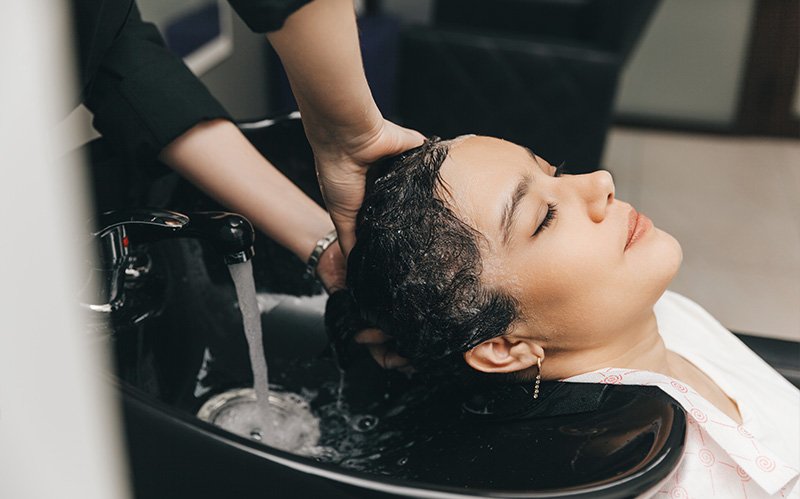
Scalp oiling can help with dryness, breakage and general scalp comfort, but it may not address why your hair is thinning or shedding more than usual. These changes can also be linked to buildup, sensitivity, hormonal shifts, stress or disruptions in the hair growth cycle.
That is where a professional scalp assessment can be useful. At Bio Organicare, our detailed scalp analysis and consultation can help identify what is affecting your scalp before recommending a targeted care plan. For example, our hair growth treatment integrates PlasmaCell-X, a non-invasive scalp technology designed to support scalp circulation, responsiveness, and vitality. This may be combined with treatments that address other concerns, such as scalp oiliness, dryness, or sensitivity.
For home care, consider a hair growth serum instead. Bio Organicare’s DHT Nemesis Serum can be applied to localised areas of thinning, such as the crown and temples, delivering active ingredients that support the follicle environment. This can help improve hair appearance, making it look stronger and fuller over time.
Conclusion
Scalp oiling may support a healthier environment for hair growth, but it may not suit oily, sensitive or buildup-prone scalps. It is best viewed as one part of a healthy scalp care routine rather than a one-size-fits-all solution. A professional scalp analysis and personalised treatment plan can help you better understand what your scalp needs and choose a more suitable long-term approach.
Book an appointment with Bio Organicare today.
Frequently Asked Questions
Q1: Why does more hair seem to fall out when I oil my scalp?
Scalp massage can loosen strands that were already at the end of their natural growth cycle, making shedding more noticeable during oiling or washing. However, rubbing too firmly, detangling roughly or applying oil to knotted hair may also cause breakage. Use gentle fingertip pressure and avoid pulling through tangled strands.
Q2: Should hair oil be applied to wet or dry hair?
For a pre-shampoo scalp treatment, oil is usually easier to apply evenly to a dry scalp. If your goal is to reduce dryness along the hair lengths, applying a small amount to slightly damp mid-lengths and ends may help seal in moisture. Avoid applying too much, as this can leave the hair looking flat or greasy.
Q3: Can hair oil repair chemically damaged hair?
Hair oil can temporarily smooth rough strands, reduce friction and make bleached, coloured or heat-damaged hair easier to manage. However, it cannot repair broken bonds or reverse structural damage within the hair shaft. Severely damaged hair may still require conditioning treatments, reduced heat exposure and regular trims.