- Your cart is empty Browse Shop
Key Takeaways
- The best scalp treatment for you depends on your specific scalp condition, not just the symptoms you notice.
- Common scalp concerns such as oiliness, sensitivity, flaking, and hair thinning often require different treatment approaches.
- Professional scalp analysis can help identify underlying issues and guide more informed treatment decisions.
- Deep cleansing, moisturising, and hair growth treatments each serve distinct purposes and suit different scalp needs.
- Lifestyle habits, scalp sensitivity, and long-term maintenance all play a role in choosing and maintaining an effective scalp care routine.
Introduction
If you’ve ever looked into scalp treatments in Singapore, you may have noticed how difficult it can be to tell them apart. Many promise healthier hair, a cleaner scalp, or better hair growth, making it hard to know which option is actually right for you.
The reality is that hair and scalp concerns are rarely one-size-fits-all. Oily hair, a sensitive scalp, and pattern hair loss may require very different approaches, even if some of the symptoms look similar on the surface. To choose the best scalp treatment for your needs, you’ll need a clear understanding of your scalp’s condition and what it actually requires.
Know What You're Treating First
Before comparing treatment packages, take a moment to think about the concern you are trying to address. Is your scalp constantly oily? Do you experience itchiness, sensitivity, flakes, or noticeable hair thinning? While these issues may appear straightforward, they do not always have obvious causes.
For example, an oily scalp may actually be overproducing oil because it is dehydrated, while flaking is not always caused by dandruff. Treating the symptoms alone can sometimes lead to temporary improvements without addressing the underlying issue.
It is also worth paying attention to when your symptoms appear or worsen. Stress, hormonal changes, weather, diet, and even certain hair products can affect scalp condition. Recognising these patterns can provide useful clues about what may be contributing to the problem and help you choose the best scalp treatment.
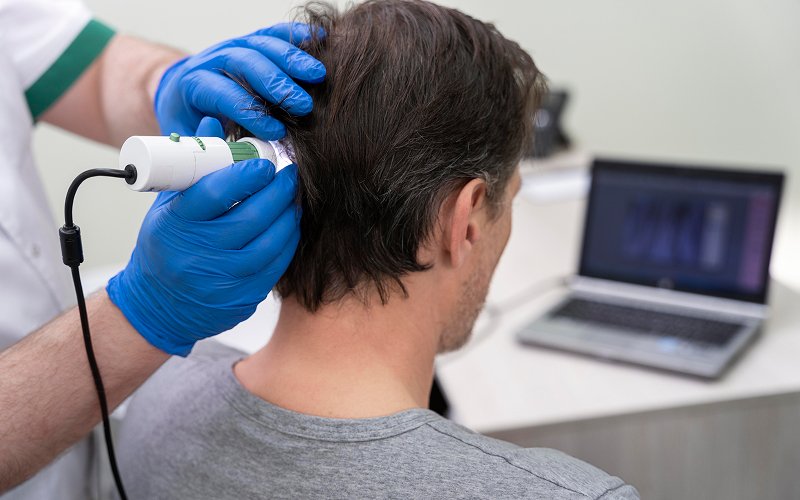
This is why many people choose to start with a professional scalp analysis. By assessing factors such as oil levels, buildup, sensitivity, and follicle condition, it provides a clearer picture of what your scalp actually needs. Rather than guessing which treatment might work, this allows you to make a more informed decision.
What Are the Different Types of Scalp Treatments Available?
1. Deep Cleansing and Clarifying Treatments
If your scalp feels greasy shortly after washing or if you regularly use styling products, a deep-cleansing treatment may be worth considering. Over time, oil, product residue, and dead skin cells can accumulate on the scalp, leaving it feeling congested and uncomfortable.
These treatments are designed to remove scalp buildup more thoroughly than regular shampooing. By creating a cleaner scalp environment, they can help improve comfort and allow other products and treatments to work more effectively. They are often recommended for individuals with oily scalps or those who feel their scalp never seems completely clean, even after washing.
2. Moisturising and Soothing Treatments
If your scalp often feels itchy, tight, sensitive, or irritated, a moisturising and soothing treatment may be more appropriate. In many cases, these symptoms are linked to a weakened scalp barrier or an imbalance in moisture levels rather than a lack of cleansing.
These treatments typically focus on replenishing moisture, calming irritation, and supporting the scalp’s natural protective barrier. The goal is to help a dry scalp become more comfortable and resilient over time, reducing the cycle of irritation that can occur when sensitive scalps are exposed to environmental stressors or harsh hair products.
3. Hair Loss and Growth Stimulation Treatments
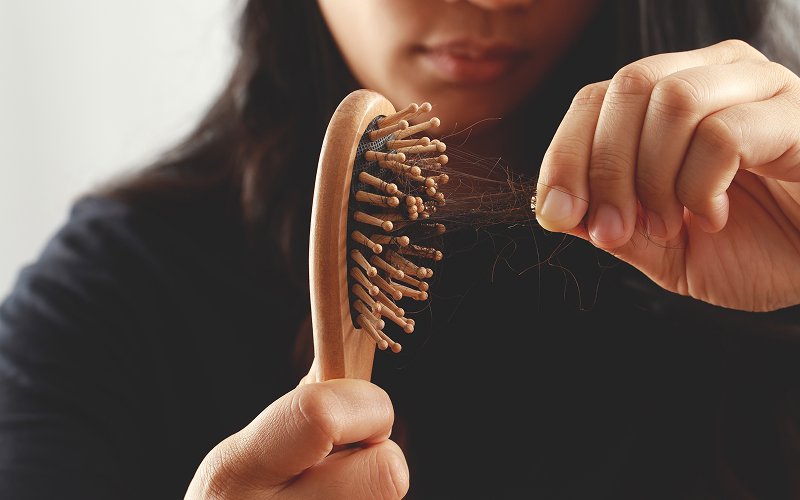
If your main concern is hair thinning or increased hair fall, treatments that focus on scalp activation and follicle support may be more relevant. While many people focus on the hair itself, healthy hair growth is also influenced by the condition of the scalp and hair follicles.
These hair growth treatments are designed to support scalp vitality and create a healthier environment. At Bio Organicare, this includes technologies such as PlasmaCell-X, a non-invasive scalp activation treatment paired with customised bio-organic care to support long-term scalp health and healthier-looking hair.
Other Factors to Consider Before Choosing a Scalp Treatment
While understanding your scalp condition is important, it is only one part of the decision-making process. Here are some other factors you’ll need to consider.
1. Lifestyle and Daily Habits
A treatment should fit realistically into your lifestyle. For example, someone who exercises frequently may have different scalp care needs from someone who rarely sweats. Similarly, frequent colouring, rebonding, or heat styling can all affect which scalp treatment works best for you.
2. The Scalp's Sensitivity Level
Some scalps respond well to more intensive treatments, while others require a gentler approach. If your scalp frequently feels irritated or reacts easily to products, it may be worth prioritising treatments designed for long-term comfort and balance.
3. Expectations and Timeline
Different concerns respond at different rates. Scalp buildup may improve relatively quickly, while concerns such as hair thinning often require greater consistency and patience. Understanding this can help you choose a treatment plan that aligns with your goals and expectations.
Don't Overlook Your At-Home Scalp Care Routine
Even the best scalp treatment does not end when you leave the clinic. The products you use and the habits you follow at home can play a role.
1. Choose Products Based on Your Scalp, Not Just Your Hair
Many people select shampoos and hair products based on concerns such as dryness, frizz, or damaged hair, but your scalp’s needs are just as important. For example, a product designed for oily scalps may not be suitable for someone with sensitivity, while overly harsh cleansers can sometimes worsen irritation. Choosing products that align with your scalp condition can help support the results of your treatments.
2. Avoid Overloading Your Scalp With Too Many Products
When trying to improve scalp health, it can be tempting to use multiple shampoos, tonics, scrubs, and treatments at the same time. However, introducing too many products at once can make it difficult to identify what is helping and what may be irritating your scalp. A simple, targeted routine is often easier to maintain and monitor.
3. Protect Your Scalp From Daily Stressors
Factors such as frequent heat styling, harsh chemical treatments, excessive scratching, and prolonged sun exposure can all affect scalp condition over time. Being mindful of these habits can help reduce unnecessary stress on the scalp and support long-term scalp health between treatment sessions.
Conclusion
Choosing the best scalp treatment in Singapore is not about finding the newest technology or the most popular package. It is about understanding your scalp’s needs and selecting an approach that addresses the underlying causes of your concerns. Whether you are dealing with excess oil, sensitivity, scalp discomfort, or hair thinning, the right treatment should work alongside your scalp’s natural processes
Every scalp tells a different story. At Bio Organicare, we take the time to understand you through detailed scalp assessments and personalised recommendations tailored to your unique needs. Book a session with us today to begin your journey towards a healthier, more balanced scalp.
Frequently Asked Questions
Q1: How often should I get a scalp treatment?
As a general guideline, many people start with a scalp treatment every 2 to 4 weeks, especially when addressing concerns such as excess oil, sensitivity, buildup, or hair thinning. Once the scalp condition has improved, treatments are often spaced further apart for maintenance. The ideal frequency ultimately depends on your scalp’s condition and how it responds to treatment.
Q2: Can I get a scalp treatment if I have coloured or chemically treated hair?
In most cases, yes. Many scalp treatments are designed to focus on the scalp rather than alter the hair itself. If you have recently coloured, rebonded, or chemically treated your hair, it is best to inform your practitioner so the treatment can be adjusted accordingly.
Q3: How long does it take to see results from a scalp treatment?
This depends on the concern being addressed. Some people notice improvements in scalp comfort, oiliness, or cleanliness after a session, while concerns such as hair thinning often require a longer-term approach. Consistency with both professional treatments and at-home care is usually important for achieving and maintaining results.