- Your cart is empty Browse Shop
Key Takeaways
- Your diet can support scalp health by providing the protein, vitamins, minerals and healthy fats your hair follicles need.
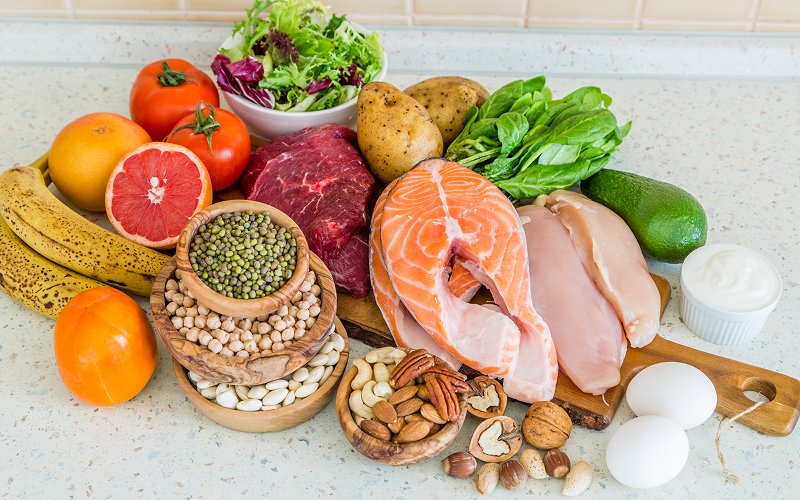
- Foods that support a healthy scalp include fatty fish, eggs, leafy greens, nuts, seeds, sweet potatoes, shellfish, berries, and Greek yoghurt.
- A balanced diet may help support stronger hair over time, but no single food can prevent every type of hair loss.
- Stress, poor sleep, product buildup and frequent heat styling can also affect your scalp and hair condition.
- Speak with a doctor if you have persistent itching, redness, heavy flaking, sudden shedding or bald patches.
- For recurring oiliness, dryness or buildup, a scalp analysis and tailored treatments can help you better understand your scalp’s needs and support a more balanced care routine.
Introduction
When you think about caring for your hair, it is easy to focus on the type of shampoo you use or the frequency of heat styling. While these can certainly affect how your hair looks and feels, the condition of your scalp is just as important. Every hair strand grows from a follicle in the scalp, and those follicles need a steady supply of energy and nutrients for healthy hair growth.
This is where nutrition is key. While a balanced diet cannot guarantee faster growth or reverse every type of hair loss, regularly missing out on protein, iron, zinc or other essential nutrients can affect hair quality and contribute to increased shedding in some people.
Below, we’ve provided a list of the best foods to eat for a healthy scalp and stronger hair growth, along with other lifestyle tips to help support your scalp more consistently.
8 Foods to Add to Your Diet for Scalp Health and Hair Growth
1. Fatty Fish for Protein and Healthy Fats
Salmon, mackerel and sardines provide protein alongside omega-3 fats.
Our hair is largely made of keratin, which is a structural protein produced by cells within the hair follicle. Protein provides the amino acids needed for the body to produce and maintain hair strands. Omega-3 fats can also help maintain healthy skin cell membranes, which can strengthen the scalp’s natural protective barrier. This can help reduce scalp dryness, tightness, and irritation.
2. Eggs for Protein, Biotin and Everyday Hair Strength
Eggs are a practical, affordable source of protein and contain biotin, also known as vitamin B7. Biotin helps the body convert food into energy and supports normal metabolism. It is also involved in keratin production, which is why a biotin deficiency can be associated with brittle hair and increased shedding.
3. Leafy Greens for Iron, Folate and Vitamin C
Spinach, kai lan, bok choy and other leafy greens contain folate and, in varying amounts, iron. Iron helps your body make haemoglobin, the protein in red blood cells that carries oxygen around the body, which can help support hair growth.
Folate also stimulates the production of healthy cells, including those involved in skin and hair follicle function. Pairing leafy greens with foods rich in vitamin C, such as capsicum, guava, oranges or berries, can help your body absorb plant-based iron more effectively.
4. Nuts and Seeds for Vitamin E and Healthy Fats
Almonds, walnuts, pumpkin seeds, sunflower seeds and chia seeds are easy additions to snacks and meals. They provide healthy fats as well as vitamin E, an antioxidant that helps protect cells from oxidative stress.
Your scalp is exposed to everyday stressors such as UV exposure, pollution and styling heat. Vitamin E helps protect skin cells from damage caused by unstable molecules known as free radicals. It also supports the skin barrier, helping the scalp retain moisture and potentially reducing dryness or tightness.
5. Sweet Potatoes for Beta-Carotene
Sweet potatoes are rich in beta-carotene, which the body converts into vitamin A as needed. Vitamin A supports the normal turnover and repair of skin cells, including the cells on your scalp. This helps the scalp renew itself and maintain a healthy surface over time.
Vitamin A also plays a role in sebum production. Sebum is the natural oil produced by your scalp that helps keep your skin and hair from becoming overly dry. However, excessive vitamin A, particularly from high-dose supplements, can have the opposite effect and contribute to hair shedding.
6. Oysters and Shellfish for Zinc
Oysters are particularly rich in zinc, while clams, mussels and prawns can also contribute useful amounts. Zinc supports the normal growth and repair of cells, including the cells that make up the scalp and hair follicles.
It also helps the body produce proteins and DNA, both of which are needed as follicles form new hair strands. When zinc intake is too low, it can affect normal tissue repair and may contribute to hair shedding in some people.
If you do not eat shellfish, you can also obtain zinc from meat, dairy products, tofu, chickpeas, lentils, nuts and seeds.
7. Berries for Vitamin C and Antioxidants
Strawberries, blueberries, raspberries and local options such as guava provide vitamin C and antioxidants. Vitamin C is needed for collagen production, a protein that helps maintain the structure and strength of the skin around the scalp and hair follicles.
It also improves the absorption of plant-based iron. This matters because iron supports oxygen delivery throughout the body, including to the scalp. Antioxidants in berries may also help protect cells from oxidative stress caused by environmental exposure.
8. Greek Yoghurt for Protein and B Vitamins
Greek yoghurt provides protein and can be a useful option for a quick breakfast or snack. Protein supplies the amino acids your body uses to make keratin, which can help strengthen the strands and potentially stimulate growth.
Depending on the product, Greek yoghurt may also provide B vitamins, which help the body release energy from food and support normal cell function. This includes the rapidly dividing cells within the hair follicle.
Other Lifestyle Habits For a Healthier Scalp
In addition to eating nutritious food, you can support a healthy scalp by adopting a few simple lifestyle habits.
Manage Stress and Prioritise Rest
Poor sleep and ongoing stress can affect your overall wellbeing and may coincide with changes in scalp comfort or hair shedding. Where possible, aim for regular sleep, short breaks during the day and light movement to help manage stress levels.
Keep Your Scalp Clean Without Overwashing
Singapore’s humidity, sweat and styling products can leave the scalp feeling oily or clog hair follicles. Cleanse regularly enough to remove buildup, especially around the crown and nape, but avoid harsh scrubbing or overwashing if your scalp feels dry or sensitive.
Be More Selective With Styling Products
Heavy styling products, dry shampoo and frequent heat styling can contribute to buildup or discomfort. Tight ponytails, buns and braids can also strain the hairline, so try alternating with looser styles where possible.
When Food Alone Is Not Enough
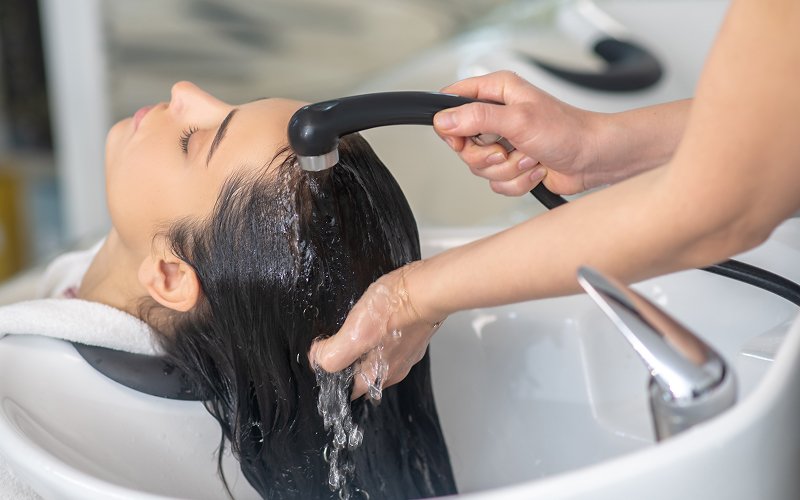
Eating the right foods can help support a healthier scalp over time, but it is not always enough to resolve every concern on its own. If you are dealing with persistent itching, redness, painful bumps, heavy flaking, sudden shedding, bald patches or noticeable thinning, it is best to speak with a doctor to rule out an underlying skin or health condition.
For day-to-day concerns such as recurring oiliness, dryness, buildup or mild sensitivity, it may help to look beyond your diet and take a closer look at your scalp care routine. Constantly changing shampoos or trying multiple products at once can make it harder to understand what is actually helping.
This is where a more tailored approach may be useful. At Bio Organicare, we conduct a detailed scalp analysis to help identify whether your scalp may benefit from deeper cleansing, hydration support, or oil-balancing care. For example, if you are noticing more visible thinning or weaker-looking strands, we may recommend our targeted scalp treatment for hair loss, which combines scalp-focused care with PlasmaCell-X technology to support scalp circulation, responsiveness, and vitality.
Feed Your Scalp, Then Care for It Consistently
The best foods for a healthy scalp are usually the ones you can eat consistently: protein-rich meals, colourful vegetables and fruit, healthy fats, and a sensible variety of iron- and zinc-containing foods. There is no single food that will solve every hair concern, but a balanced routine can help give your scalp and hair the building blocks they need.
For recurring oiliness, dryness, flaking, sensitivity, or thinning, a professional scalp assessment at Bio Organicare can help you move beyond guesswork and build a routine better suited to your individual condition. Contact us to arrange a consultation and take the first step towards a healthier, more balanced scalp.
Frequently Asked Questions
Q1: Do I need to take supplements for healthier hair and scalp?
Not necessarily. Most people can meet their nutritional needs through a varied diet that includes enough protein, vegetables, fruit, wholegrains and healthy fats. Supplements may be useful when a deficiency has been identified, but it is best to speak with a doctor before taking high-dose vitamins or minerals, as some can cause side effects when taken unnecessarily.
Q2: Can skipping meals affect hair growth?
Regularly skipping meals or following a very restrictive diet can make it harder to get enough protein, iron, zinc and other nutrients that support normal hair growth. This may not cause immediate changes, but prolonged under-eating or rapid weight loss can sometimes contribute to increased shedding over time.
Q3: How long does it take to notice changes after improving my diet?
Hair grows in cycles, so improvements are usually gradual. You may notice improved energy levels or more stable scalp comfort first, while visible changes in hair strength or shedding can take several months to appear. Staying consistent with your meals and scalp care routine is generally more useful than making frequent short-term changes.