
- Your cart is empty Browse Shop
Key Takeaways
- The best way to exfoliate your scalp depends on the underlying issue, your scalp’s condition, and your own treatment goals.
- Choose one suitable exfoliant and introduce it gradually, rather than combining several products at once.
- Use your fingertips, not your nails, and avoid aggressive scrubbing that could leave the scalp sore or irritated.
- Start exfoliating once every one to two weeks, then adjust the frequency according to how your scalp feels afterwards.
- If buildup keeps returning or your scalp remains uncomfortable, a professional scalp analysis can help determine whether you need deeper cleansing or a gentler approach.
Introduction
At Bio Organicare, we often meet people who have started exfoliating because their scalp feels oily, flaky or congested. Some have added a scrub to every wash, while others use a scalp brush with increasing pressure because their roots still do not feel completely clean.
However, more cleansing is not always the answer.
When used appropriately, scalp exfoliation may help loosen excess oil, sweat, dead skin and styling residue. When used too aggressively, however, it may leave the scalp feeling tight, tender or more reactive than before.
In our experience, the best way to exfoliate your scalp first depends on what your scalp actually needs.
Do You Actually Need Scalp Exfoliation?
Exfoliation is most useful when material has accumulated on the scalp surface, and regular washing is no longer removing it effectively.
You may benefit from occasional exfoliation if:
- Your roots start to feel oily or weighed down soon after washing
- You regularly use dry shampoo, hairspray or styling products
- You sweat heavily or exercise frequently
For example, a client who works out several times a week and uses dry shampoo between washes may start noticing a waxy layer around their hair parting and a flaky scalp. In this case, occasional exfoliation can help loosen scalp buildup.
However, we may recommend staying away from exfoliation if:
- Your scalp feels tender, sore, or sensitive to touch
- Products suddenly sting or feel harsher than usual
- You recently coloured, bleached, or chemically treated your hair
- Your scalp feels tight immediately after washing
- You are constantly switching products because nothing feels comfortable
These signs indicate that you may have a sensitive and inflamed scalp. In these cases, adding another intensive cleansing step may make your scalp feel more uncomfortable.
Our Tips on How to Exfoliate Your Scalp
Once you have established that buildup, rather than sensitivity, is the main concern, the next step is to exfoliate in a way that clears residue without overwhelming the scalp.
1. Choose the Right Exfoliant
The best way to exfoliate your scalp depends on what issue you are trying to address. If you are unsure where to begin, start with the gentlest option and only move to a stronger method if your scalp still feels congested after a few uses.
- Exfoliating shampoo: A good starting point for most people, as it fits easily into your regular wash routine. If you prefer organic formulations, you can consider a natural scalp cleansing shampoo instead.
- Scalp scrub: Suitable if you regularly use styling products or dry shampoo and notice visible residue around the roots.
- Chemical exfoliant: Uses ingredients to loosen buildup without physical scrubbing, which some people may find gentler than a scrub.
2. Avoid Using Too Many Products at Once
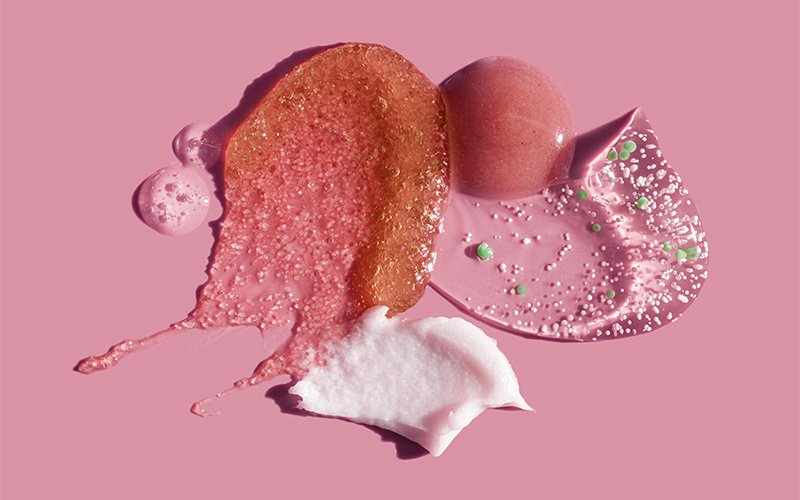
It can be tempting to combine an exfoliating shampoo, scrub and scalp brush in the hope of achieving a deeper clean. However, using multiple exfoliating methods together may increase the risk of irritation without necessarily removing more buildup.
Instead, introduce one product at a time and use it consistently for a few washes before deciding whether your routine needs adjusting. This also makes it much easier to identify which product is helping and which may be causing discomfort.
3. Use Your Fingertips, Not Your Nails
When applying an exfoliating product, use the pads of your fingertips to massage the scalp in small, gentle circular motions. The goal is to loosen residue from the scalp surface, not to scrub it away forcefully. Avoid using your nails or pressing too hard, as this can create tiny abrasions and leave the scalp feeling sore or more sensitive after washing.
When to Consider Professional Scalp Treatments
There is plenty you can do at home to exfoliate more gently, from choosing the right product to reducing how often you use it. However, if buildup keeps returning, your scalp feels persistently uncomfortable, or you are unsure whether the problem is congestion or sensitivity, it may be helpful to consult a professional.
At Bio Organicare, we start by taking a closer look at what your scalp is actually showing. Through digital scalp analysis and a consultation with a trained scalp specialist, we assess factors such as oiliness, dryness, sensitivity, visible congestion, scalp stability, and possible lifestyle or colour-related triggers. This helps us work out whether your scalp would benefit from deeper cleansing or a gentler, more restorative approach instead.
Where treatment is suitable, we tailor it to your scalp rather than following a fixed routine. For oily or clogged scalps, this may involve removing trapped residue and buildup, improving comfort, and supporting a more balanced scalp environment. We also observe how your scalp responds afterwards and provide a simple follow-up plan where needed.
This can be especially helpful if you have already tried several shampoos, scrubs or brushes without seeing much improvement. Instead of adding another product and hoping for the best, we help you understand what your scalp needs and what to do next.
For clearer guidance on the best way to exfoliate your scalp and other professional treatments, make an appointment with Bio Organicare today.
Frequently Asked Questions
1. How often should I exfoliate my scalp?
There is no single schedule that works for everyone. If you are new to scalp exfoliation, start once every one to two weeks and see how your scalp responds. If it feels clean and comfortable, that frequency may be enough. If your scalp becomes tight, sore or more sensitive afterwards, reduce how often you exfoliate rather than increasing it.
2. Will exfoliating my scalp help with hair growth?
Exfoliating your scalp does not directly stimulate hair growth. However, it may help create a cleaner scalp environment by removing excess oil, dead skin and buildup that can accumulate around the hair follicles. Healthy hair growth depends on many factors, so if you are concerned about ongoing thinning or excessive hair fall, it is worth having your scalp professionally assessed rather than relying on exfoliation alone.
3. Can I use regular body scrubs on my scalp?
It is generally better not to. The best way to exfoliate your scalp is to use a product formulated specifically for scalp use, as body scrubs may contain larger or rougher particles that are too abrasive. Scalp-specific products are usually designed to cleanse more gently while respecting the scalp’s natural barrier.