
- Your cart is empty Browse Shop
Key Takeaways
- A scalp that feels tender to the touch can be linked to tight hairstyles, product irritation, buildup or underlying skin conditions such as dandruff, eczema, psoriasis or contact dermatitis.
- Pay attention to when the tenderness appears. Soreness that follows a tight hairstyle, a colouring appointment, or a new product may improve once the trigger is removed.
- Persistent tenderness with itching, redness, flakes, swelling, painful bumps, sores or unusual hair loss should be assessed by a doctor.
- Avoid changing your entire routine at once. Simplifying your products and testing one possible trigger at a time can make it easier to identify what is affecting your scalp.
- If your scalp feels dry, tense, congested or easily irritated on a recurring basis, targeted scalp care may help support comfort and long-term scalp balance.
When Your Scalp Feels Sore, It Is Worth Paying Attention
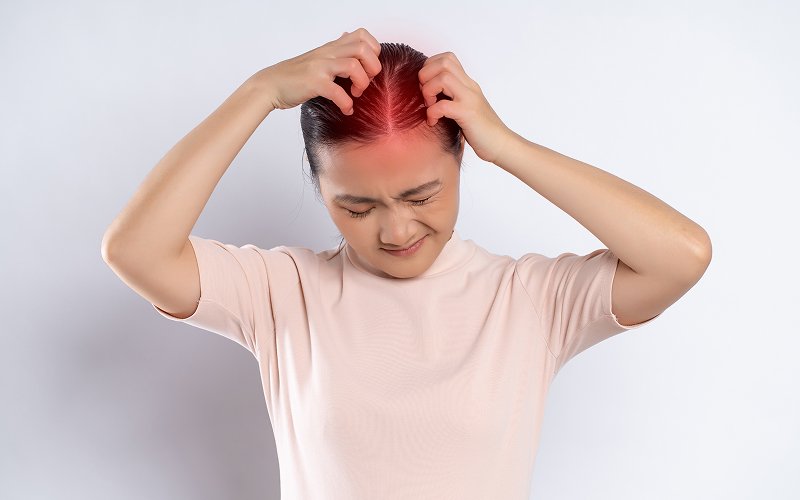
If your scalp feels tender to the touch when you wash your hair or brush through it, you may be wondering whether it is something to worry about. In many cases, scalp soreness can sometimes be a sign that your scalp is under stress from tension, buildup, irritation or an underlying skin concern.
The good news is that this tenderness is often linked to identifiable triggers. Looking at your recent hair routine, styling habits and any changes in your scalp condition can help you narrow down what may be causing the discomfort.
Common Causes of Scalp Tenderness
1. Traction From Tight Hairstyles
A tight ponytail may look polished, but wearing one every day can put continuous strain on the hair follicles. The same applies to tightly braided styles, buns, extensions and hairstyles that pull most strongly around the hairline, temples or crown.
If your scalp starts to feel tender or sensitive after taking your hair down, tension may be the most likely explanation. The discomfort often feels worse when washing or brushing because these actions put additional pressure on already-stressed areas.
2. Underlying Skin Conditions
Scalp tenderness may also be a sign of certain skin and scalp conditions. This may include:
- Seborrhoeic dermatitis: Often associated with dandruff, this can cause flaking, itchiness, redness and soreness, particularly in oilier areas of the scalp.
- Scalp eczema: This may leave the scalp dry, itchy and easily irritated, sometimes with flaking or a tight, uncomfortable feeling.
- Scalp psoriasis: This can cause thicker, more defined patches of scale that may feel sore, itchy, or sensitive to the touch.
- Contact dermatitis: A reaction to hair dye, fragrance, shampoo, styling products, or other ingredients can cause tenderness, burning, itching, or visible redness.
These conditions can vary in how they appear. In some cases, the scalp may feel uncomfortable before flakes, redness or other visible changes become obvious.
3. Product Buildup and Irritation
Using too many hair products at once or not cleansing thoroughly enough can leave residue on the scalp. This buildup, when combined with sweat, natural oil and environmental particles, can leave the scalp feeling congested or uncomfortable.
Alternatively, you may simply be using a new product that is irritating your scalp. Strong fragrances, harsh cleansing agents or frequent chemical treatments can increase sensitivity, especially when the scalp barrier is already compromised.
When Should You Be Concerned?
A scalp that is tender to the touch is not always a sign of a serious problem. It may happen after a tight hairstyle, a hair-colouring appointment or a product that has irritated your scalp. In these cases, the discomfort may improve once you stop the trigger and give your scalp a break.
However, it is worth seeking medical advice if the tenderness does not improve, keeps returning, or appears without an obvious cause. This is especially important if you notice any of the following symptoms:
- Persistent itching
- A red or scaly rash
- Swelling
- Painful bumps
- Sores or open areas
- Discharge or oozing
- Increased or unusual hair loss
Do not rely on home care alone if your scalp is very painful, warm, swollen, bleeding, oozing or developing patches of hair loss. These symptoms can be linked to skin conditions, allergic reactions or infections that need proper medical assessment and treatment.
If the tenderness is mild but recurring, take note of when it happens. For example, it may flare after wearing your hair tightly tied back, using a particular product, or going longer between washes. Identifying these patterns can help you make more targeted changes to your routine rather than switching products at random.
How to Manage a Tender Scalp More Gently
1. Test Whether Tension Is the Main Trigger
For the next week, avoid tight ponytails, buns, braids, clips and extensions that pull at the same area of your scalp. Wear your hair loose where possible, or use a lower, looser style that does not tug at the hairline or crown. Pay attention to whether the soreness improves by the end of the day or after a few days without tension. If it does, your hairstyle may be contributing more than you realise.
2. Strip Your Routine Back for One to Two Weeks
If the tenderness began after changing your shampoo, hair dye, dry shampoo, scalp serum, or styling product, stop using the most recent product first. Keep the rest of your routine simple rather than replacing everything at once.
Use one shampoo that you already know your scalp tolerates; avoid leave-on products directly on the scalp, and pause dry shampoo, hair sprays, waxes, and heavy styling creams where possible. This gives your scalp time to settle and makes it easier to see whether a particular product is involved.
Hair dyes, shampoos, conditioners and styling products can all trigger contact dermatitis in some people. If you develop itching, redness, swelling or a rash after using a product, stop using it and seek medical advice if the reaction does not improve.
3. Deal With Buildup Without Overwashing
If your scalp is tender to the touch while you are also experiencing oiliness, flakes, sweat or a coated feeling at the roots, buildup may be playing a role. Focus on washing the scalp itself, not only the hair length. Apply shampoo directly to the roots, use your fingertips to work it through gently and rinse thoroughly.
Avoid trying to “deep clean” by aggressively scratching or repeatedly washing in one day. This can make an already irritated scalp feel worse. Instead, use a consistent washing routine that matches how quickly your scalp becomes oily or sweaty.
If you also have ongoing dandruff or greasy flakes, an anti-dandruff shampoo containing ingredients such as ketoconazole, selenium sulphide, or zinc pyrithione may be appropriate. Follow the product directions carefully, as medicated shampoos often need to stay on the scalp for several minutes before rinsing.
4. Stop Massaging if the Scalp Feels Inflamed
A scalp massage may help when the tenderness is linked to tight hairstyles or general tension. However, it is not the right response for every type of soreness.
Do not massage areas that are hot, swollen, scaly, broken, very itchy or painful to touch. Pressing or rubbing an inflamed scalp may worsen irritation. If you do massage, keep it brief and light, using the pads of your fingertips rather than your nails.
5. Get a Clearer Picture if the Problem Keeps Returning
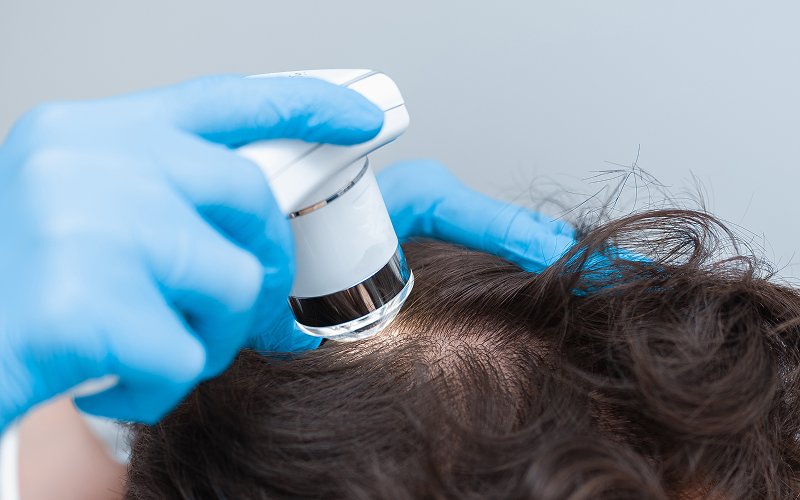
When your scalp is repeatedly tender to the touch, it helps identify whether the issue is more likely to be congestion, an oil imbalance, sensitivity, or irritation from your routine. This is where a closer scalp assessment can be more useful than trialling product after product.
At Bio Organicare, we will conduct a comprehensive scalp analysis and consultation to assess your scalp’s condition and identify concerns such as buildup, excess oil, sensitivity, or weakened-looking follicles. From there, the recommendation can be tailored to your scalp’s needs, whether that involves gentle cleansing support or a longer-term maintenance plan.
This may include our Scalp Maintenance & Repair treatments designed for dry and tense scalps, with a focus on supporting scalp hydration and comfort, improving scalp flexibility and resilience, and providing gentle cleansing without stripping natural oils.
However, a scalp treatment should not replace medical care. If you have severe pain, open sores, swelling, discharge or sudden patchy hair loss, it is best to see a doctor first.
Conclusion
Scalp tenderness can be easy to dismiss, especially when it comes and goes. However, when your scalp repeatedly feels sore during washing, brushing or styling, it is worth looking at the triggers that may be keeping it under stress.
Small changes, such as reducing hairstyle tension, simplifying your haircare routine and improving how you cleanse the scalp, can make a meaningful difference. At the same time, recurring tenderness may indicate that your scalp needs more consistent support than at-home adjustments alone can provide.
By addressing the scalp environment first, Bio Organicare helps you move beyond trial-and-error haircare and work towards a more balanced foundation for healthier-looking hair. If your scalp tenderness is persistent but does not involve urgent warning signs, book a consultation with us today.
Frequently Asked Questions
1. Can stress make your scalp feel tender?
Stress can contribute to muscle tension around the head, neck and scalp, which may make the area feel more sensitive or sore. It can also affect habits that irritate the scalp, such as scratching, washing more often than usual or relying heavily on styling products. However, persistent tenderness should not automatically be attributed to stress, especially if you also have flakes, redness, swelling or hair loss.
2. Can a tender scalp cause hair loss?
Scalp tenderness does not always cause hair loss. However, the underlying trigger may affect both. For example, repeated tension from tight hairstyles can contribute to traction-related hair loss, while inflammatory scalp conditions may also be associated with increased shedding. If you notice widening areas, patchy hair loss or a sudden increase in shedding, it is best to seek medical advice.
3. Can I still use anti-dandruff shampoo if my scalp feels tender?
It depends on why your scalp feels tender. If you also have oily flakes, itching or dandruff, a medicated anti-dandruff shampoo may be helpful. However, some formulas can feel drying or irritating on a sensitive scalp, particularly if used too often or left on for longer than directed. Look for a formula that your scalp tolerates well, follow the instructions carefully and stop using it if you notice increased stinging, burning or redness.