
- Your cart is empty Browse Shop
Key Takeaways
- Hair dye may not always damage your hair, but frequent colouring can leave your scalp feeling dry, itchy or more sensitive over time.
- If you notice more flakes, tenderness, tightness or breakage after colour appointments, your scalp may need more support between sessions.
- Although hair dye does not make grey hair grow faster, it can end up drying out your strands and making new grey roots stand out more.
- Small changes, such as avoiding colour on an irritated scalp and simplifying your coloured hair routine, can make a noticeable difference.
- If colour-related discomfort keeps coming back, it may help to look at your scalp condition rather than focusing only on the hair itself.
Introduction
Hair colour can be a confidence boost. It may help you cover greys, refresh your look or simply feel a little more like yourself. However, a common question many of us have is: can hair dye damage your hair and scalp?
The answer is not always straightforward. Hair dye does not automatically cause damage, but repeated colouring can affect the condition of the hair fibre and how comfortable your scalp feels. Here, we take a closer look at how the colouring process works, signs that your scalp may be reacting, and what you can do to dye your hair with minimal damage and greater comfort.
Does Hair Dye Actually Damage Your Hair and Scalp?
Permanent hair dye works by opening the cuticle, which is the hair’s outer layer, so that colour pigments can enter the strand and remain there. This is what makes the colour last longer, but it also means the hair goes through a chemical process each time it is dyed.
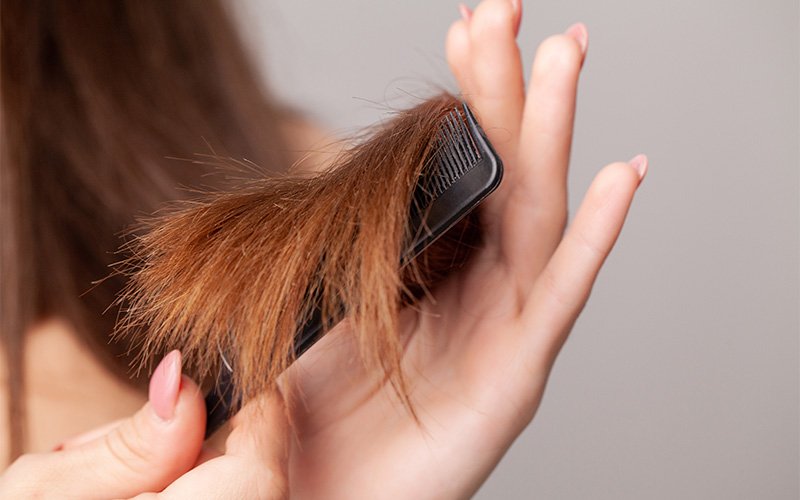
Over time, repeated colouring can affect the hair itself and lead to chemical hair damage. The strands may feel drier, rougher or more prone to breakage, especially if bleaching or frequent touch-ups are involved.
The scalp can also be affected, particularly when dye is applied near or directly onto the roots. Some colouring formulas may leave some people with temporary dryness or tightness, while others may notice itchiness, tenderness or discomfort after each appointment.
How to Tell If Hair Dye Has Damaged Your Scalp
1. Itchiness After Your Appointment
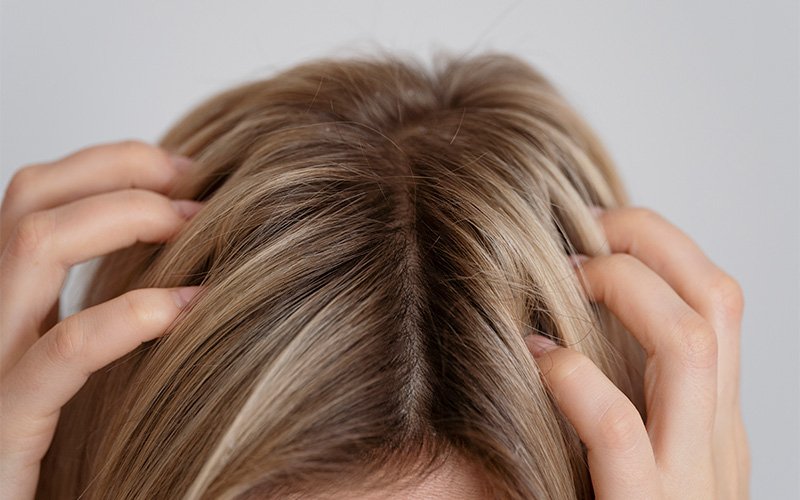
It is normal to experience a little itchiness during the colouring process, especially if stronger dyes or bleach are used. However, if your scalp continues to feel itchy for days afterwards, or if you keep experiencing irritation between appointments, it may be a sign of recurring scalp sensitivity from hair dye. You may also notice dryness, tightness or discomfort around your hairline, ears or nape.
2. Flaking and Dandruff
If your scalp starts flaking more often after dyeing your hair, the colouring process may be disrupting its moisture balance. This can make dryness, irritation, or existing dandruff harder to manage, especially if you respond by washing more often or using stronger shampoos.
3. Colouring Feels Increasingly Uncomfortable
Burning, tingling, soreness, or a lingering warm sensation during colouring may suggest that your scalp is becoming more reactive. If the discomfort is severe, or if you develop swelling, a rash, or blisters afterwards, seek medical advice rather than trying to manage it on your own.
4. You Are Seeing More Hair Fall or Breakage
Hair dye does not usually cause permanent hair loss by itself, but repeated colouring can weaken the hair fibre and make breakage more noticeable. If you are seeing more strands on your pillow, in the shower, or around your crown, it may be a sign that your hair and scalp need a gentler routine.
5. Your Scalp Feels Tight After Washing
A dry, tight, or “stretched” feeling after shampooing can indicate that your scalp barrier has been disrupted. You may notice this more after colouring, especially if you are also using hot water, strong shampoos, or several styling products at once.
How to Protect Your Scalp Without Giving Up Hair Colour
If you enjoy colouring your hair, you don’t necessarily have to stop. The key is to reduce unnecessary stress on the scalp so you can keep up your colour routine more comfortably. A few changes before, during, and after your appointment can make a real difference.
1. Do Not Colour Over an Irritated Scalp
If your scalp is already itchy, flaky, sore, or visibly red, it is usually better to wait until it settles before colouring again. Dye applied to an irritated scalp is more likely to sting, burn, or leave the area feeling worse afterwards. In the days before your appointment, try to avoid scratching, strong exfoliating products, or any treatment that leaves your scalp feeling stripped or sensitive.
2. Choose a Colouring Method That Reduces Scalp Contact
If full-root colouring tends to leave your scalp uncomfortable, ask your stylist whether there are lower-contact options that still achieve the look you want. Techniques such as highlights, balayage, or partial colouring may reduce the amount of dye that comes into contact with the scalp.
At Bio-Organicare, we offer organic hair colour therapy for natural-looking grey coverage while prioritising scalp comfort and long-term tolerance. The process starts with a scalp assessment before colouring to check for dryness, sensitivity, flaking, or existing irritation. After colouring, we thoroughly cleanse the hair and scalp to remove residual dye and product buildup, then moisturise to help the scalp feel more comfortable and balanced.
3. Give Your Scalp a Simpler Recovery Routine Afterwards
Make sure to keep further irritation to a minimum after colouring. Use a gentle shampoo, wash with lukewarm rather than hot water, and try to keep heat styling to a minimum if your scalp already feels dry or tender. You should also avoid layering oils, serums, dry shampoo, and leave-on treatments directly onto the scalp straight after colouring, as this can make itchiness and discomfort harder to manage.
4. Pay Attention to Patterns, Not Just One Bad Appointment
One uncomfortable colouring session does not always mean you need to stop dyeing your hair. What matters more is whether the same problems keep happening. If you are consistently dealing with itchiness, flaking, tenderness, or increased shedding after colouring, it may be a sign that your scalp is not recovering well between sessions and that your routine needs adjusting.
5. Get the Scalp Assessed if the Problem Keeps Coming Back
If scalp discomfort keeps returning no matter what shampoo or aftercare products you use, it may be worth looking beyond the hair colour itself. Sometimes the scalp is already dry, congested, or reactive before the colouring even begins, which makes it less resilient afterwards. In that situation, a professional scalp analysis at Bio Organicare can help you understand whether sensitivity, buildup, dandruff, or another underlying issue is making colouring harder to tolerate, and what kind of care may help before your next appointment.
Can Dyeing Your Hair Lead to More Grey Regrowth?
In addition to concerns about whether hair dye can damage your scalp, some people may wonder if colouring your hair can lead to faster or increased grey hair regrowth. However, this is a myth. Hair dye does not speed up the growth of grey hair or cause more grey strands to appear.
What can change is how noticeable the regrowth looks. Repeated colouring may leave the rest of the hair looking drier, rougher, or less shiny over time, making the contrast between coloured hair and new grey roots more obvious. As a result, it may feel like your greys are returning faster, even though they are growing at the same rate as before.
Conclusion
Rather than asking whether hair dye is “good” or “bad”, it is often more useful to pay attention to how your own hair and scalp are responding. If colouring leaves your hair feeling rougher or your scalp less comfortable than before, it may be a sign that your routine needs to be adjusted. With the right approach and better scalp support, it is often possible to continue colouring without neglecting your hair and scalp health.
At Bio Organicare, we help individuals who colour their hair manage concerns such as post-colour itchiness, dryness, flaking, and hair fall through customised scalp care and natural grey hair treatments designed for sensitive scalps. Our team can help you find a more suitable way to maintain your hair colour while caring for your scalp condition.
Frequently Asked Questions
Q1: Can I still colour my hair if I have a sensitive scalp?
Yes, but it may help to be more selective about the colouring method and aftercare. If your scalp is easily irritated, consider discussing lower-contact colouring options with your stylist and avoid colouring when your scalp is already itchy, flaky, or sore.
Q2: How often is too often to dye your hair?
There is no single rule, as it depends on your scalp condition, the type of colour service, and whether bleaching is involved. However, frequent root touch-ups or repeated colouring with little recovery time in between can make dryness, discomfort, or breakage more noticeable over time.
Q3: When should I get my scalp checked after colouring?
It may be worth seeking professional advice if you regularly experience itchiness, flaking, burning, tenderness, or increased hair shedding after colouring, especially if the problem keeps returning even after you change products or space out appointments.