- Your cart is empty Browse Shop
Key Takeaways
- Hair growth serums work by supporting the scalp environment and delivering active ingredients directly to the scalp.
- The best hair growth serum depends on your scalp condition, hair concerns, and the cause of thinning.
- Serums are generally most effective for early-stage thinning, scalp maintenance, and supporting overall scalp health.
- More advanced hair loss may require additional professional support beyond topical products alone.
- Consistent application and realistic expectations are essential, as visible improvements often take time.
Introduction
Hair growth serums are often one of the first products people turn to when they notice increased hair fall or thinning hair, and it’s easy to see why. They are easy to use, fit naturally into most daily routines, and can be applied directly to areas of concern.
But the real question is: do they actually work?
The answer is more complicated than you might think. Ultimately, the effectiveness of your hair growth serum depends on several factors, including your scalp’s condition, the cause of your hair thinning, and whether you are using the right product for your needs.
How Do Hair Growth Serums Work?
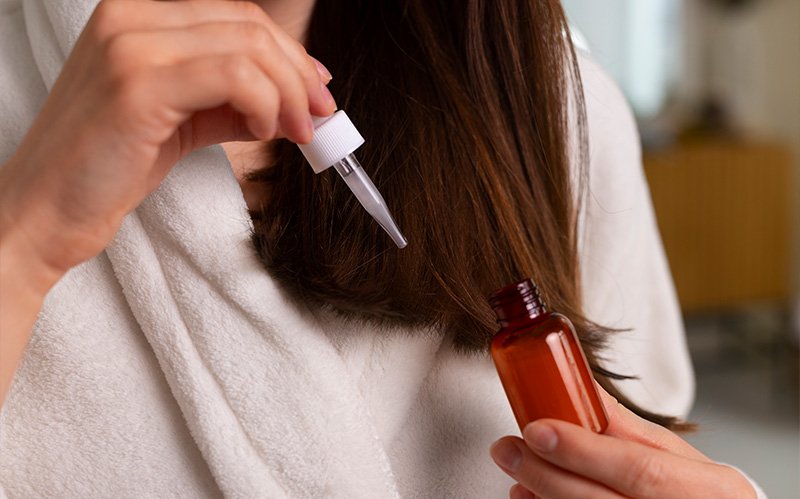
Hair growth serums are concentrated topical products applied directly to the scalp. Unlike shampoos or conditioners that are rinsed away, serums are left on the scalp so their active ingredients can stay in contact with the skin and follicles for longer.
Depending on the formula, they may support hair growth in a few key ways.
Supporting Blood Flow Around the Follicles
Some hair growth serums contain ingredients that help stimulate the scalp and support circulation around the follicles. This matters because follicles rely on a steady supply of oxygen and nutrients to function well.
While a serum cannot force inactive follicles to grow hair again, improved scalp stimulation may help create better conditions for active follicles to continue producing healthier strands.
Supporting the Hair Growth Cycle
Hair naturally grows in cycles, including an active growth phase known as the anagen phase, followed by resting and shedding phases.
Some serums are designed to support follicles during the active growth phase and help reduce premature weakening or shedding. This does not mean hair fall will stop immediately, but over time, supporting the growth cycle may contribute to stronger-looking hair and improved density.
Nourishing the Scalp and Hair Roots
Many serums contain concentrated ingredients such as peptides, botanical extracts, vitamins, or other scalp-supporting actives. These ingredients are intended to nourish the scalp and support the area around the hair roots.
This is especially important when hair looks finer, weaker, or more fragile than before. By providing targeted scalp care at the root level, a serum may help existing strands grow stronger and more resilient.
Delivering Support to Specific Areas
Some serums are designed for general scalp maintenance, while others are designed for more focused areas where thinning is more visible.
For example, Bio Organicare’s DHT Nemesis Serum is intended for targeted application on the crown, temples, or hairline. These are areas where some people first notice reduced density or finer strands. Instead of treating the whole scalp the same way, a targeted serum lets you give extra support to the areas that need more attention.
How to Find the Best Hair Growth Serum?
The best hair growth serum is not always the one with the most dramatic claims or the most viral reviews. A better starting point is to look at your scalp condition, your main hair concern, and how the product fits into your overall routine.
Match the Serum to Your Scalp Type
If your scalp becomes oily quickly, feels congested, or is prone to buildup, look for a lightweight serum that supports scalp balance without leaving a heavy residue.
If your scalp feels dry, tight, flaky, or easily irritated, choose a gentler formula that focuses on hydration and soothing support. A serum that works well for an oily scalp may not be suitable for a sensitive or dry scalp.
Be Careful of Exaggerated Claims
Be cautious with hair growth products that promise extremely fast results, dramatic regrowth, or a complete fix for hair loss. Hair growth is gradual, and no serum can reverse every type of thinning on its own. A more realistic product should explain how it supports the scalp and hair follicles over time, rather than promising instant transformation.
Choose a Formula You Can Use Consistently
A serum only helps if you can use it regularly. If the texture feels greasy, the scent is too strong, or the routine is too complicated, you may stop using it before it has enough time to work.
For daily or frequent use in Singapore’s humid weather, many people prefer lightweight, non-sticky formulas that absorb comfortably into the scalp.
Avoid Harsh or Overly Stimulating Formulas
A tingling sensation is not always a sign that a product is working. For sensitive or reactive scalps, overly strong formulas can sometimes cause more irritation, especially if the scalp is already inflamed, itchy, or flaky.
Always check the ingredient list carefully. Some people may be more sensitive to high levels of alcohol, strong fragrances, menthol, essential oils, or harsh exfoliating ingredients. These are not automatically “bad”, but they may not be suitable if your scalp is easily irritated.
Consider Professional Scalp Assessment
If you are unsure whether your hair fall is caused by oil buildup, sensitivity, follicle weakness, hormonal changes, or another factor, a comprehensive scalp analysis can help you avoid guesswork.
At Bio Organicare, we begin by assessing your scalp condition, hair density, oil levels, buildup, sensitivity, and areas of concern before recommending a suitable routine. This allows us to suggest products and hair growth treatments that are better matched to your scalp’s actual needs, rather than relying on a one-size-fits-all approach.
Who Benefits Most from Hair Growth Serums?
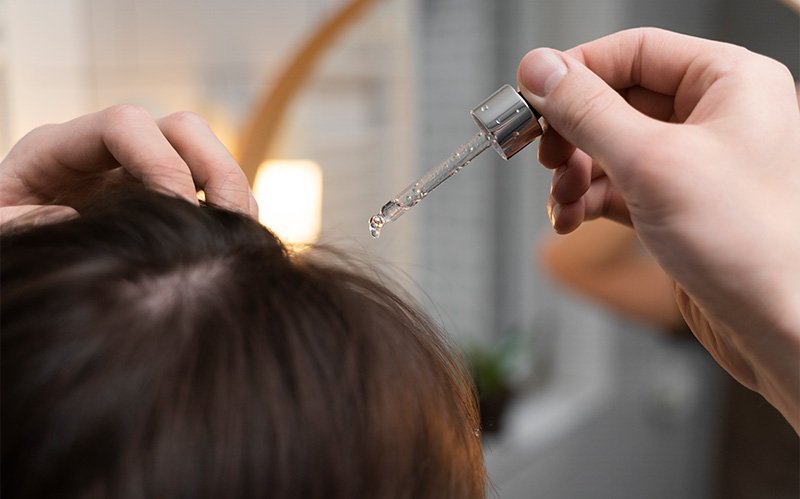
Hair growth serums usually work best when the scalp still has active follicles and the hair concern is mild to moderate. In other words, they tend to work better when you are trying to support existing hair, reduce breakage, improve scalp comfort, or manage early changes in hair density.
You may want to consider a serum if you:
Are Experiencing Early-Stage Thinning
If your part line looks slightly wider, your ponytail feels thinner, or your hair looks less full around the crown, a serum may help support the scalp and strengthen existing strands before thinning becomes more noticeable.
Notice More Shedding During Stressful or Changing Periods
Stress, poor sleep, hormonal shifts, or illness can sometimes lead to increased shedding. A serum will not address these underlying triggers, but it can help support the scalp while your hair cycle gradually stabilises.
Struggle With an Itchy, Flaky, Oily, or Sensitive Scalp
Scalp discomfort, excess oil, buildup, or flaking can affect how healthy your hair looks and feels. A suitable serum may help soothe the scalp, support balance, and create better conditions for consistent growth.
Want to Maintain a Healthy Scalp Microbiome
A balanced scalp microbiome helps keep the scalp environment more stable. For those prone to sensitivity, oiliness, or recurring scalp discomfort, a gentle serum may be useful as part of a regular maintenance routine.
That said, serums have their limits. They generally cannot revive follicles that are no longer active, severely miniaturised, or affected by long-term scarring. If thinning is advanced, progressing quickly, or linked to a medical or hormonal condition, it is best to seek proper assessment rather than relying on a topical product alone.
Conclusion
Hair serums can be a useful part of your routine, especially if you are dealing with early-stage thinning, reduced volume, scalp imbalance, or increased shedding. However, they work best when they are chosen with your scalp condition in mind, not simply because they are popular online or promise fast results.
The best hair growth serum should be one that supports your scalp comfortably, fits easily into your routine, and works alongside a consistent approach to long-term scalp care.
Rather than relying on trial and error, Bio Organicare focuses on uncovering the underlying factors affecting your scalp health. Using detailed assessments, personalised organic care programmes, and advanced tech-driven solutions, we create targeted hair loss treatment plans designed to support stronger, healthier hair over time.
Unsure where to begin? Make your appointment with us today.
Frequently Asked Questions
1. How long should I use a hair growth serum before deciding if it works?
Most serums need to be used consistently for at least a few months before you can fairly assess their results. Hair growth happens in cycles, so changes such as reduced shedding, stronger strands, or improved scalp comfort may appear gradually. If you stop too early or switch products too often, it can be difficult to tell whether the serum was helping.
2. Can I use a hair growth serum with other scalp or hair products?
Yes, but it is best to keep your routine simple. Using too many leave-on products at once may lead to buildup or irritation, especially if you have a sensitive scalp. If you are already using an organic hair tonic, treatment ampoule, styling product, or medicated solution, check whether the products are suitable to layer or ask a professional before combining them.
3. Should hair growth serum be applied to a wet or dry scalp?
This depends on the product instructions, but many serums are applied to a clean, towel-dried or dry scalp so they can reach the skin more effectively. Avoid applying serum over heavy styling residue, excess oil, or thick buildup, as this may affect absorption. Focus on the scalp rather than the hair lengths, and massage gently after application.