
- Your cart is empty Browse Shop
Key Takeaways
- Covering grey roots does not always require permanent dye. Temporary touch-ups, root blending and softer colour options can make regrowth easier to manage.
- Permanent colour offers fuller coverage, while demi-permanent colour creates a softer result that fades more gradually.
- Organic hair colour may suit those with a dry, sensitive or reactive scalp, although allergy testing and a consultation are still important.
- After colouring, rinse thoroughly, avoid harsh scalp products and watch for delayed signs of irritation.
- Giving your scalp enough time between touch-ups can help reduce repeated exposure and make your grey hair routine more sustainable.
Introduction
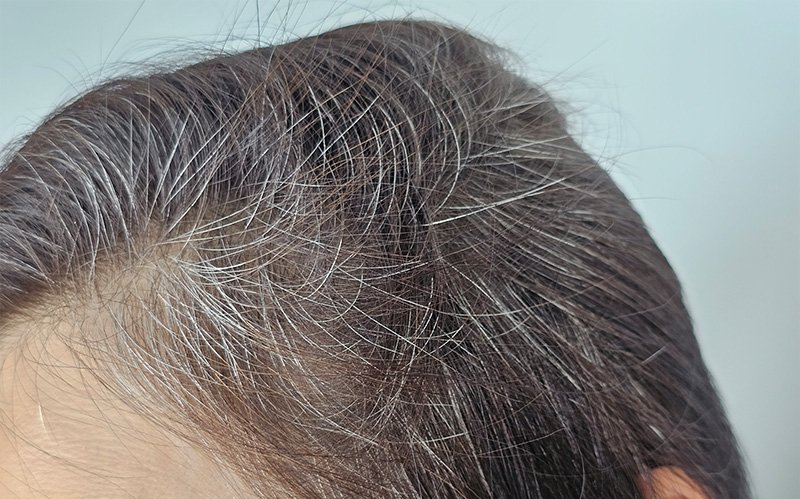
There may come a point when managing grey roots starts to feel like more work than it used to. The colour may fade faster, new growth may stand out more clearly, and your scalp may no longer tolerate frequent colouring as well as before. You may still want to cover the greys, but not at the expense of dryness, itching or constant appointments.
Fortunately, covering your grey roots does not always have to mean using permanent dye every few weeks. From temporary touch-ups to softer blending techniques and more scalp-conscious colour options, there are several ways to manage regrowth depending on your lifestyle, hair condition and comfort level.
Common Solutions for Covering Grey Hair
For Quick Coverage: Temporary Root Touch-Ups
Root sprays, powders and touch-up sticks can hide visible regrowth between colouring appointments. Sprays work well for larger areas, while powders and sticks give you more control when covering grey roots around the parting and temples.
Apply a small amount to dry hair and let it set before touching your roots. These products usually wash out with shampoo, making them useful for short-term coverage, although they may feel heavy or transfer if too much is applied.
For Longer-Lasting Results: Hair Colour and Dye
Permanent hair dye generally gives the most complete grey coverage, while demi-permanent colour creates a softer result that fades gradually. The right choice depends on how much grey you have and how often you are prepared to maintain it.
Darker shades can make new growth more noticeable, so a softer colour or targeted root application may help you stretch the time between sessions. If your scalp is dry, itchy or reactive, follow the recommended allergy alert test and stop if you develop burning, swelling or a rash.
For Scalp Health: Organic Hair Colour
Organic hair dyes may be worth considering if conventional dye tends to leave your scalp feeling itchy, tight or uncomfortable. These solutions are designed to provide grey coverage while placing greater emphasis on scalp care and comfort before, during and after colouring.
Bio Organicare’s Organic Hair Colour Therapy is designed for people with concerns such as scalp sensitivity, dryness, eczema or redness after colouring, as well as those who want grey coverage without placing unnecessary stress on the scalp. The service combines colour application with scalp protection and post-colour cleansing as part of a broader scalp-first approach.
That being said, natural ingredients are not automatically “safe” or suitable for everyone. Your response may depend on your current scalp condition, so a consultation and appropriate allergy testing remain important before treatment.
For Easier Maintenance: Root Blending
Root blending uses highlights, lowlights, or softer colour transitions to reduce the contrast between grey regrowth and coloured hair. Instead of fully covering every strand, it helps new growth look less obvious.
This can be a practical option if you want fewer appointments or are gradually moving towards your natural grey. Choosing a lighter base shade or adding subtle pieces around the face can also make regrowth easier to manage.
How to Care for Your Scalp After Hair Colouring
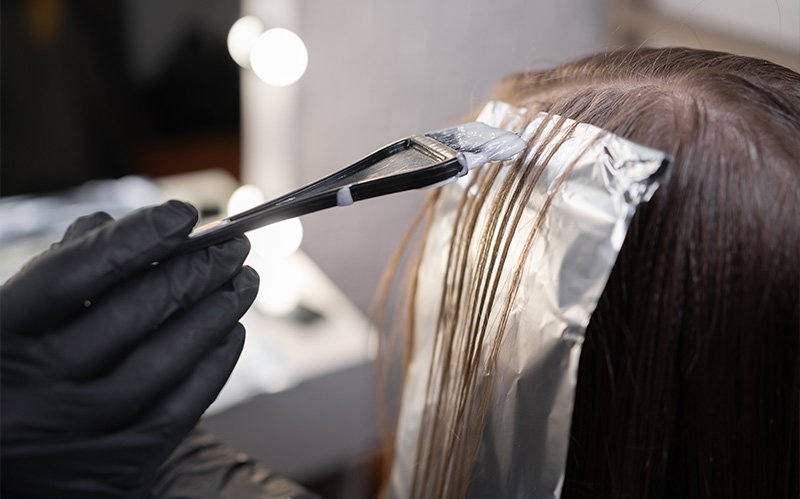
Whether you have opted for conventional hair dyes or an ammonia-free hair colour, the way you care for your scalp over the next few days can affect how comfortable it feels. A freshly coloured scalp may be more prone to dryness, residue buildup or delayed irritation, so it helps to keep your routine gentle and avoid adding too many products too soon.
1. Remove Colour Residue Without Overwashing
Grey root touch-ups place colour directly around the parting, temples and hairline, where residue can easily remain after rinsing. Make sure the scalp is rinsed thoroughly until the water runs clear, then use a gentle shampoo if advised by your colourist. Avoid following up with a clarifying or anti-dandruff shampoo straight away, as these may feel too stripping on a freshly coloured scalp.
2. Keep the Scalp Cool and Product-Light
For the next day or two, avoid piling dry shampoo, root spray, styling wax, or scalp serums onto the coloured areas. Sweat, oil, and styling residue can make the roots feel itchier or more congested, especially in Singapore’s humidity. Where possible, keep the scalp cool, avoid very hot showers, and rinse after heavy exercise rather than leaving perspiration sitting around the roots.
3. Watch for Delayed Irritation
A reaction does not always appear during the colouring session. Itching, redness or tenderness may develop several hours later, particularly around the hairline, ears and nape. Mild tightness may settle, but burning, swelling, blistering or worsening redness should not be treated as normal. Stop using the product and seek medical advice if these symptoms appear.
4. Give Your Scalp Time Before the Next Touch-Up
It can be tempting to book another colour appointment as soon as grey roots start showing, but giving your scalp time to recover between sessions is just as important. Temporary root touch-ups or blending techniques can help you extend the gap without compromising your overall look.
If your scalp feels itchy, dry or irritated afterwards, avoid simply switching to another dye. A scalp assessment can help identify whether the issue is related to sensitivity, buildup, dryness or your colouring routine itself.
Conclusion
Grey roots are a natural part of ageing, but covering them should not come at the expense of your scalp health. Whether you prefer temporary touch-ups, regular colouring or a lower-maintenance approach, choosing a routine that keeps both your hair and scalp comfortable will be easier to sustain in the long run.
If frequent colouring has left your scalp feeling dry, sensitive or irritated, it may be time to look beyond the dye itself. A scalp analysis and consultation at Bio Organicare will help you understand your scalp’s current condition and receive personalised recommendations, from organic hair dyes to targeted scalp treatments for healthier-looking hair.
Visit us today.
Frequently Asked Questions
Q1: Is it possible to stop grey hair from growing?
Not at the moment. There is currently no proven way to stop age-related greying or reliably restore pigment to existing grey strands. Genetics plays the biggest role, although smoking, nutritional deficiencies and some medical conditions may contribute to premature greying. Colouring currently remains the most predictable method of covering grey roots, so be cautious of products that promise permanent reversal.
Q2: Why does grey hair sometimes feel drier or coarser?
Grey hair can produce less natural oil and may have a rougher texture than pigmented hair. Gentle cleansing, regular conditioning, and proper grey hair care can help it feel softer and more manageable.
Q3: Why am I suddenly getting more grey hairs?
Grey hair often seems to appear all at once, but it is usually because more hair follicles begin producing strands without pigment around the same time. Genetics is the biggest factor, although age, smoking, certain nutritional deficiencies and some medical conditions may contribute to earlier or more noticeable greying. If the change is very sudden or accompanied by excessive hair loss, it is worth speaking to a healthcare professional.