
- Your cart is empty Browse Shop
Key Takeaways
- A smelly scalp is often caused by sweat, excess oil, product residue or dandruff-related flaking, especially in Singapore’s hot and humid climate.
- The smell itself is not enough to identify the cause, so look out for accompanying signs such as greasy flakes, itchiness, coated roots, redness or tender bumps.
- Anti-dandruff shampoos may help when scalp odour comes with flakes, itchiness or redness, while occasional clarifying can be useful for product buildup.
- Possible solutions for a smelly scalp include using targeted shampoos for dandruff, washing your scalp thoroughly, and keeping helmets, pillowcases and hair tools clean.
- If odour keeps returning with oiliness, flakes or sensitivity, a personalised scalp assessment can help identify the factors affecting your scalp.
Introduction
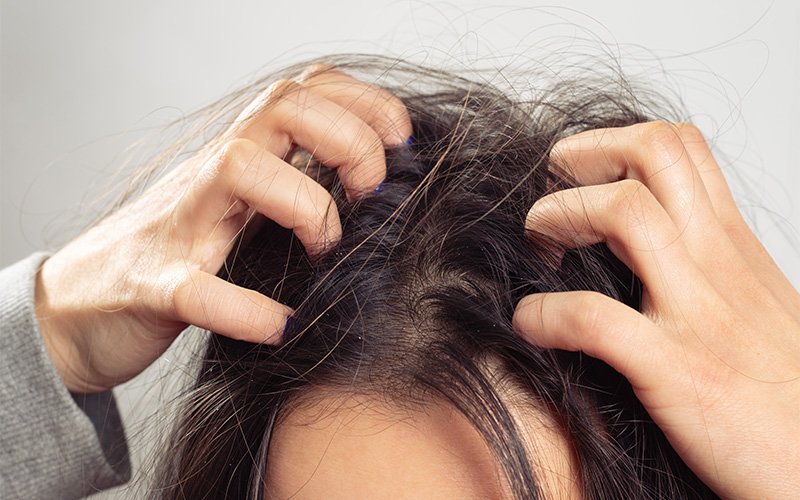
If your scalp smells sour, sweaty or musty by the end of the day, you are not alone. Singapore’s humidity, regular exercise, long commutes and styling products can all make it easier for oil, sweat and residue to build up around the roots. However, recurring scalp odour can sometimes point to more than everyday perspiration, especially if you also have flakes, itchiness, bumps or a greasy scalp.
Here are some common reasons your scalp may smell, how to recognise your trigger and how you can help get rid of it.
Possible Causes of a Smelly Scalp
1. Dandruff-Related Scalp Imbalance
Seborrhoeic dermatitis may develop on the scalp when excess oil and the naturally occurring yeast Malassezia contribute to inflammation and flaking. As oil, sweat and scales collect on the scalp, it may start giving off an unpleasant odour.
In these cases, washing your hair and scalp may not get rid of the smell. The underlying flaking and oil imbalance will need to be managed first.
Signs to look for:
- Greasy white or yellowish flakes
- Redness beneath the flakes
- Itchiness
- Recurring dandruff around the hairline or behind the ears
- A smell that returns soon after washing.
2. Sweat, Oil and Product Buildup
Your scalp naturally produces sebum, an oil that helps protect the skin. When you exercise or spend time out in Singapore’s heat and humidity, your scalp may also produce more sweat. While sweat itself does not usually smell, odour can develop when it stays on the scalp and mixes with oil, skin microorganisms and residue from hair products. The smell may be exacerbated if you wear helmets, caps, or head coverings for long hours.
Signs to look for:
- A smell that becomes stronger towards the end of the day, after exercise or after wearing a helmet or cap
- A sticky or coated feeling on the scalp
- Hair that looks flat soon after washing
- Visible residue from dry shampoo, wax or styling products.
3. Hormonal Changes
Changes in hormone levels can affect oil production, though this varies from person to person. For example, adolescents going through puberty may experience an increase in androgens, stimulating the sebaceous glands to produce more sebum. This can lead to clogged follicles and an oily scalp, which may start to smell when mixed with dead skin cells and product residue build-up around the roots.
Signs to look for:
- Your scalp becomes noticeably oilier than usual, even though your shampoo and styling routine have not changed.
- You need to wash your hair more often because your roots become greasy sooner than before.
- The scalp smell returns more quickly as oil builds up around the roots.
- The changes appear during a specific life stage or at a predictable point in your menstrual cycle.
4. Fungal or Bacterial Infections
A persistent scalp smell that occurs with tender bumps, pus-filled spots, crusting or soreness may be caused by an infection around the hair follicles, such as folliculitis. Bacterial folliculitis is commonly linked to Staphylococcus aureus, while yeast or fungal infections can also affect the scalp and cause itchiness, inflammation or scaling. These conditions will need a proper medical assessment by a general practitioner (GP) or dermatologist.
Signs to look for:
- Painful or tender red bumps
- Pus-filled spots
- Crusting
- Localised soreness
- Areas of broken hair or patchy hair loss
- A smell that is concentrated in one affected area.
How to Get Rid of a Smelly Scalp
1. Use a Targeted Shampoo for Flakes or Excess Oil
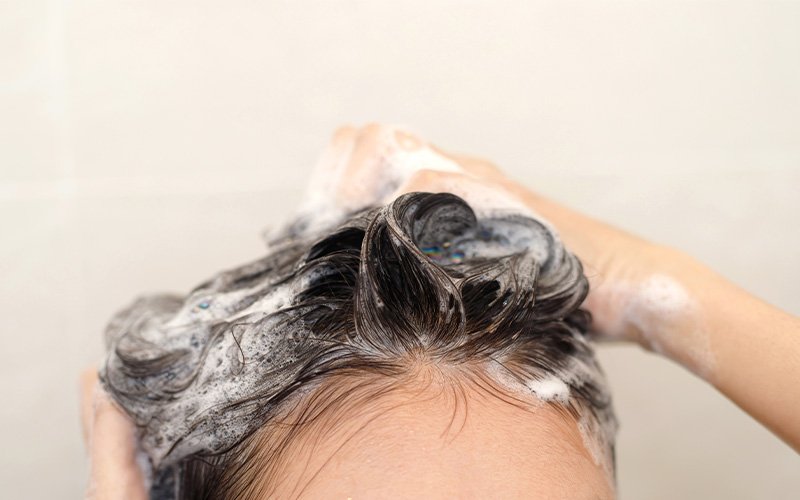
If scalp odour comes with oily flakes, itchiness or recurring redness, try an anti-dandruff shampoo instead of relying only on a regular cleanser. Look for ingredients like ketoconazole, zinc pyrithione or selenium sulphide to help manage dandruff-related oil and flaking. Follow the product directions closely, especially how long to leave the shampoo on before rinsing, and stop using it if your scalp becomes more irritated.
2. Remove Sweat, Oil and Product Buildup Properly
Sweat, dry shampoo, styling wax, hairspray, leave-in products and conditioner can all leave residue around the roots. When washing your hair, make sure to apply shampoo directly to your scalp, massage gently with your fingertips and rinse thoroughly, paying attention to the crown, hairline and nape.
If your roots often feel sticky or coated, use a clarifying shampoo occasionally to remove buildup, but avoid using it too often if your scalp is dry or sensitive.
3. Keep Items That Touch Your Scalp Clean
Wash caps, helmet linings and pillowcases regularly, especially if you sweat often. Clean your hairbrushes and combs as well, since they can collect oil, loose hair and styling residue. These steps may not directly get rid of the smell on your scalp, but they can help reduce the oil and residue that returns to your scalp between washes.
4. Get a Personalised Scalp Assessment and Treatment
If the smell keeps returning with oiliness, flakes, congestion or sensitivity, a detailed scalp analysis can help identify what is happening at the roots instead of relying on trial and error with different shampoos.
At Bio Organicare, we take a closer look at your scalp condition, including visible buildup, oil levels, flaking and signs of reduced comfort or tolerance. Based on these findings, we may recommend personalised treatments that address your specific concerns. For example, treatments for an itchy and smelly scalp may focus on:
- Proper scalp cleansing without stripping
- Removing trapped residue and buildup
- Supporting scalp comfort and balance
We can also adjust the frequency and intensity of the sessions according to how your scalp responds over time.
Conclusion
Trying to get rid of a bad-smelling scalp can be difficult. The cause may be as simple as sweat, excess oil or product buildup, but recurring flakes, irritation or congestion can make the problem harder to manage with shampoo alone. By paying attention to the signs and adjusting your routine accordingly, you can take a more targeted approach.
Make an appointment at Bio Organicare today and take the next step towards a fresher, more balanced scalp.
Frequently Asked Questions
Q1: Can diet cause a smelly scalp?
Strong-smelling foods such as garlic and onion can affect general body odour in some people, as certain compounds may be released through sweat. However, diet is rarely the main reason for persistent scalp odour. It is more useful to first look at factors such as excess oil, sweat, dandruff, product buildup or scalp irritation. If you notice a consistent pattern after certain foods, keep a simple note of your meals and symptoms before making major dietary changes.
Q2: Can dry shampoo make my scalp smell worse?
Dry shampoo can be useful between washes, but using it repeatedly without properly cleansing your scalp may leave powder, oil and styling residue around the roots. This can make the scalp feel coated and may trap sweat, leading to a stronger smell by the end of the day. Use dry shampoo sparingly and wash it out thoroughly rather than layering more product onto greasy roots.
Q3: How often should I wash my hair if my scalp smells oily?
There is no single wash schedule that suits everyone. If your scalp becomes greasy or smells quickly after exercise, humid weather or helmet use, washing your scalp after heavy sweating may help. Focus on using a shampoo that suits your scalp condition and cleansing thoroughly, rather than washing aggressively or repeatedly with harsh products.