- Your cart is empty Browse Shop
Key Takeaways
- There is no single recommended hair loss treatment that works for everyone, as different causes of hair loss require different approaches.
- Treatment options range from topical products and supplements to clinical procedures and scalp-focused therapies.
- Sudden hair loss may warrant a medical evaluation, while gradual thinning often benefits from a longer-term management strategy.
- Scalp health plays an important role in hair growth, making professional scalp assessment valuable when choosing a treatment.
- Sustainable results typically come from consistent care, realistic expectations, and addressing the underlying factors contributing to hair loss.
Introduction
Walk into a pharmacy, browse online, or speak to friends about hair loss, and you will quickly discover that there is no shortage of advice. From specialised shampoos and supplements to scalp treatments and clinical procedures, the sheer number of options can make it difficult to know where to begin.
The challenge is that not every treatment is designed to address the same problem. What works for someone experiencing stress-related shedding may not be suitable for someone dealing with long-term thinning or scalp issues. Understanding the purpose behind different options is often the first step towards finding a recommended hair loss treatment that aligns with your needs.
Common Types of Hair Loss Treatments
1. Topical Products (Serums, Tonics, and Shampoos)
Topical products are often the first solutions people explore for hair loss. They are easily accessible and simple to incorporate into a daily routine.
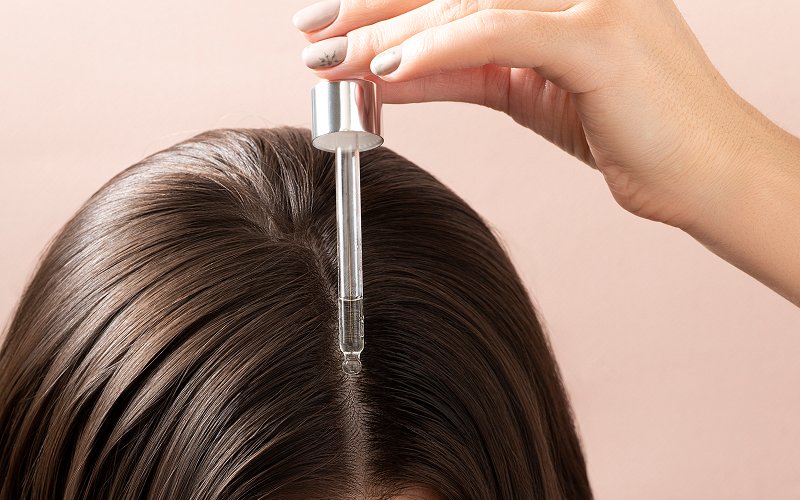
Depending on their formulation, these products may serve different purposes. For example, someone experiencing hair loss due to an oily, congested scalp may benefit more from a natural scalp cleansing shampoo formulated to improve scalp clarity and balance. On the other hand, someone struggling with dryness and sensitivity may need gentle products that focus on hydration and soothing the scalp. Choosing products based solely on hair concerns without considering the underlying cause of your hair loss and your scalp’s condition can limit their effectiveness.
2. Oral Supplements and Medications
If you are losing hair due to medical causes, oral supplements and medications may be more suitable. Some individuals may experience increased shedding due to a medical condition, while others may be dealing with hormonally driven hair loss.
Supplements may help support healthy hair growth when specific nutrients are lacking, while certain medications are prescribed to help slow hair loss or support follicle function in suitable candidates. However, these options are not one-size-fits-all solutions. What works for one person may not be appropriate for another, which is why professional guidance is important before starting any long-term regimen.
3. Clinical and Procedural Treatments
For more advanced or persistent hair loss concerns, clinical procedures may be considered. These can include treatments such as platelet-rich plasma (PRP) injections, low-level laser therapies, and other technologies designed to stimulate follicle activity more directly.
Compared to topical products or scalp treatments, these options are generally more intensive and may involve needles, specialised equipment, or repeated clinic visits. Depending on the treatment, some individuals may experience temporary side effects such as scalp tenderness, redness, swelling, or discomfort after a session.
While these treatments may be recommended for hair loss in some individuals, they often require multiple sessions before results become noticeable. Ongoing maintenance may also be needed to sustain improvements. As with any treatment, suitability depends on factors such as the type of hair loss, scalp condition, and individual expectations.
4. Scalp Treatments
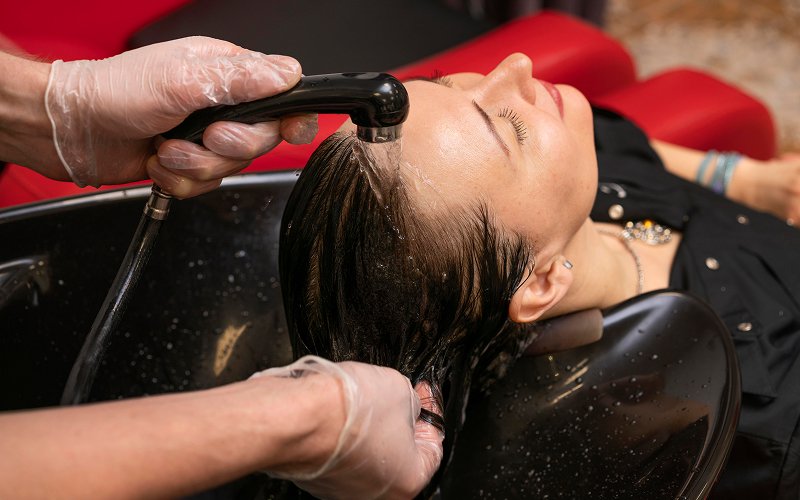
When discussing hair loss, most people focus on the hair itself. However, the condition of your scalp plays a more important role than you might think. These targeted scalp treatments can help address issues like excess oil, product buildup, clogged follicles, itchiness, sensitivity, and other imbalances that may affect both scalp comfort and hair quality. By addressing these underlying concerns, the scalp may be better able to support healthy hair growth over time.
At Bio Organicare, every treatment journey starts with a professional scalp analysis. Depending on the findings, we may recommend customised hair fall therapy and hair regrowth treatment plans. For example, our Scalp Activation and Regeneration treatments use PlasmaCell-X technology to support scalp circulation and vitality, creating a healthier environment for hair growth.
Which Hair Loss Treatment Is Right for You?
If Your Hair Loss Started Recently and Feels Sudden
A sudden increase in hair shedding may be linked to factors such as stress, illness, hormonal changes, certain medications, or nutritional deficiencies. Before investing heavily in treatments, consider speaking with a healthcare professional if the hair loss is significant, persistent, or unexplained. Identifying the underlying cause is often the most important first step.
If Your Hair Has Been Thinning Gradually Over Time
If your hair has become progressively finer or less dense over several months or years, a longer-term approach is usually needed. Rather than looking for quick fixes, focus on treatments that support scalp health and follicle function consistently over time.
If You Have Scalp Discomfort or Visible Imbalances
Symptoms such as itchiness, oiliness, flaking, redness, or sensitivity may suggest that scalp health is contributing to your hair concerns. In these situations, opt for a targeted scalp cleansing treatment at Bio Organicare to clear congested follicles, restore scalp balance, and support healthier hair growth over time.
If At-Home Products Are Not Delivering Results
If you have tried multiple shampoos, tonics, or supplements without seeing meaningful improvement, it may be time to move beyond trial and error. A professional scalp assessment can help identify potential contributing factors and guide a more targeted treatment plan.
4. Other Key Considerations Before Choosing a Treatment
How Long Does It Take to See Results?
Hair growth is a gradual process, so it is important to have realistic expectations. Most treatments require several weeks or months of consistent use before noticeable improvements appear, which is why patience is often an important part of any treatment plan.
Consistency Matters More Than Intensity
A simple routine followed consistently is often more effective than frequently switching between products or treatments. Hair follicles respond to stable conditions over time, so regular care and long-term commitment tend to deliver better results than short bursts of intensive treatment.
Avoid Relying on a Single Solution
Hair loss can be influenced by multiple factors, including scalp health, lifestyle habits, stress levels, genetics, and overall wellbeing. As a result, the most effective approach often combines recommended hair loss treatments with good scalp care practices and healthy daily habits, rather than relying on a single product.
Be Cautious of Quick-Fix Claims
Treatments that promise dramatic or immediate results may not address the underlying factors contributing to hair loss. The best solutions are those that focus on supporting long-term scalp and hair health, with improvements developing gradually as the scalp environment and hair growth cycle become healthier.
Healthy Hair Starts with a Healthy Foundation
A hair loss treatment should not be recommended simply because it is the most popular product or the quickest solution. Instead, the right approach depends on understanding what may be contributing to your hair concerns and choosing treatments that address those factors appropriately.
At Bio Organicare, we believe healthy hair begins with a healthy scalp. Through professional scalp analysis, customised care programmes, and technology-supported solutions such as PlasmaCell-X, we focus on creating the conditions needed to support long-term scalp stability and healthier hair growth. If you are exploring natural hair growth treatments and want a clearer understanding of your scalp condition, schedule a consultation today.
Frequently Asked Questions
Q1: Can hair loss return after treatment?
Yes. Depending on the underlying cause, hair loss may return if treatment is discontinued or if contributing factors such as stress, hormonal changes, or scalp issues are not managed. Long-term maintenance is often important for sustaining results.
Q2: Does age affect how well hair loss treatments work?
Age can influence hair growth and follicle activity, but it is not the only factor. The condition of the scalp, the health of the hair follicles, and the cause of hair loss are often more important considerations when evaluating treatment options.
Q3: Should men and women use different hair loss treatments?
Not necessarily. While some causes of hair loss are more common in men or women, the most suitable treatment depends on the individual’s scalp condition, hair loss pattern, and underlying contributing factors. A treatment that works well for one person may not be appropriate for another, regardless of gender.