- Your cart is empty Browse Shop
Key Takeaways
- Hair loss does not always have a single cause. Genetics, hormones, lifestyle habits, and scalp health can all play a role.
- Not all hair loss is permanent. Understanding whether your hair loss is temporary or long-term can help you choose the most appropriate next steps.
- Paying attention to changes in both your hair and scalp may provide important clues about what is happening beneath the surface.
- Sudden shedding, visible thinning, patchy hair loss, or persistent scalp irritation should not be ignored.
- A scalp-first approach that combines professional care with consistent home maintenance can help create a healthier environment for long-term hair growth.
Why Is My Hair Falling Out More Than Usual?
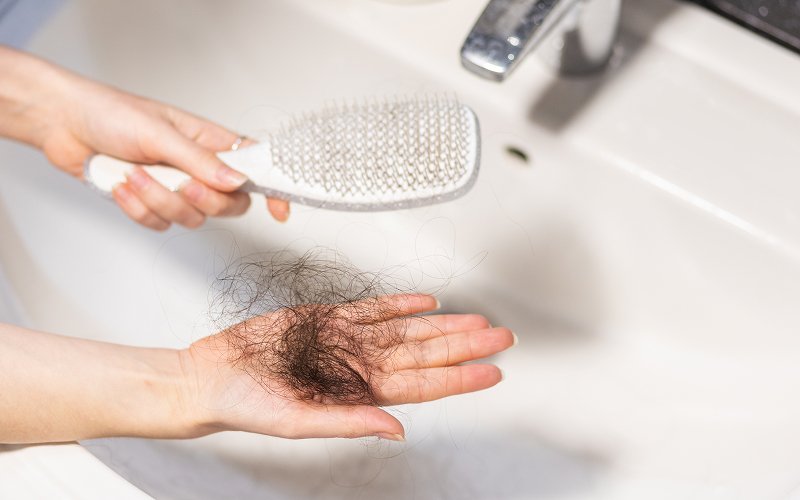
When people experience hair loss, the first instinct is often to look for a solution. A new shampoo, a supplement, or the latest treatment promising thicker hair. However, before exploring solutions, it is worth asking a more important question: what is actually causing the hair loss in the first place?
Hair growth is influenced by a complex combination of factors, including genetics, hormones, nutrition, stress levels, scalp health, and overall wellbeing. This means that two people experiencing similar hair thinning may have completely different underlying causes. What works for one person may not address the issue for another.
Understanding the potential causes of hair loss can help you make more informed decisions, avoid unnecessary trial and error, and focus on approaches better suited to your individual needs.
Common Causes of Hair Loss
Hair loss can occur for a variety of reasons, and in many cases, several factors may be involved simultaneously.
1. Genetic Factors and Pattern Hair Loss
Genetics is one of the most common reasons for long-term hair loss. Often known as pattern hair loss, it happens when certain hair follicles become more sensitive to hormonal changes over time. This can lead to a receding hairline, thinning at the crown, or hair that gradually appears less full than before.
Unlike temporary shedding caused by stress or illness, pattern hair loss usually happens slowly. Many people first notice a widening part, increased scalp visibility, or hairstyles that feel less voluminous than before.
2. Hormonal Changes and Internal Shifts
Hormones play an important role in how hair grows and sheds. When hormone levels change, the balance of the hair growth cycle can also be affected, sometimes resulting in increased hair fall.
This is commonly seen during pregnancy, after childbirth, and during menopause. For example, postpartum hair loss often occurs a few months after delivery, when hormone levels begin returning to their usual state. Certain health conditions that affect hormone balance, such as thyroid disorders, may also contribute to ongoing hair thinning.
3. Stress and Physical Strain on the Body
Periods of intense emotional or physical stress can temporarily disrupt the normal hair cycle. When the body experiences significant strain, more follicles may enter the resting phase than usual, leading to increased shedding weeks or months later.
Common triggers include work-related stress, major life changes, illness, surgery, and rapid weight loss. While this type of hair loss is often temporary, it can still be distressing when large amounts of hair begin falling out unexpectedly.
4. Nutritional Deficiencies and Dietary Changes
Hair follicles require a steady supply of nutrients to function properly. Deficiencies in iron, protein, zinc, and certain vitamins can affect the quality and strength of newly growing hair.
People who follow restrictive diets, skip meals frequently, or experience poor nutrition may notice increased shedding, slower growth, or hair that appears weaker and more fragile. In some cases, nutritional deficiencies cause excessive hair fall until dietary habits improve.
5. Autoimmune-Related Hair Loss
Certain autoimmune conditions can directly affect hair follicles. In these situations, the body’s immune system mistakenly attacks healthy follicles, leading to sudden patchy hair loss. This often appears as small, round bald patches and may develop quite quickly. A professional assessment is usually needed to determine the underlying condition and the appropriate management approach.
6. Hairstyling Habits and External Damage
Everyday styling habits can sometimes contribute to hair loss over time. Tight ponytails, braids, buns, and hair extensions may place repeated tension on the follicles, particularly around the hairline. Frequent use of heat tools, chemical treatments, or harsh products may also weaken the hair shaft and affect overall scalp health. When physical stress on the follicles persists for extended periods, it may contribute to hair loss.
7. Medications and Medical Treatments
Certain medications can affect the hair growth cycle as a side effect. These may include treatments for heart conditions, arthritis, depression, and other medical issues. Medical treatments such as chemotherapy and radiation therapy are also well-known causes of temporary hair loss. Depending on the situation, hair growth may gradually return once treatment is completed or medication is adjusted.
8. Scalp Conditions and Infections
A healthy scalp provides the foundation for healthy hair growth. When the scalp becomes irritated, inflamed, or congested, hair follicles may struggle to function at their best. Over time, this can contribute to increased shedding and hair that feels weaker.
Common scalp issues include severe dandruff, fungal infections, excess oil production, product buildup, and scalp inflammation. These conditions may trigger symptoms such as persistent itching, redness, flaking, sensitivity, or a greasy scalp that never feels clean. In some cases, inflammation around the follicles may also disrupt the normal hair growth cycle, making it harder for healthy strands to grow consistently.
Is Your Hair Loss Long-Term or Temporary?
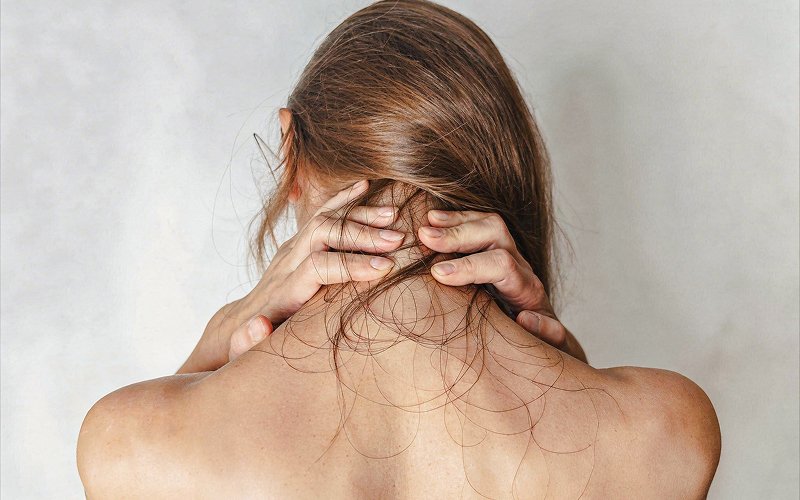
One of the first questions many people ask is whether their hair loss will grow back on its own. While there is no way to tell from symptoms alone, the timing of hair loss can often provide useful clues.
Temporary hair loss is usually linked to a specific trigger. This could be a period of intense stress, an illness, surgery, a major dietary change, or hormonal shifts such as those experienced after childbirth. In these situations, the hair follicles are typically still healthy, but more hairs than usual enter the shedding phase simultaneously. Hair loss often appears quite suddenly and may become noticeable weeks or even months after the triggering event.
Long-term hair loss tends to follow a different pattern. Rather than shedding large amounts of hair at once, you may notice gradual changes over time. Your hair may feel less dense, your parting may appear wider, or certain areas such as the crown or hairline may become more visible. This type of hair loss is often linked to genetics, age-related changes, or ongoing hormonal influences.
When Should You Seek Professional Advice?
Some daily hair shedding is completely normal. However, certain signs suggest it may be worthwhile to seek professional support.
- You are losing more hair than usual: Excessive hair on your pillow, in the shower, or on your hairbrush that continues for several weeks.
- Your hair appears thinner: A widening parting, a thinner ponytail, or increased scalp visibility.
- Sudden hair loss: Significant shedding that appears without an obvious reason.
- You notice bald or patchy areas: Hair loss that occurs in specific spots rather than evenly across the scalp.
- Your scalp feels uncomfortable: Persistent itching, redness, sensitivity, flaking, or irritation.
- Your scalp is constantly oily or congested: Excess oil, buildup, or a scalp that never seems to feel clean.
- The problem is not improving: Hair loss that continues despite changes to your routine or lifestyle.
Seeking advice early can help identify potential causes before your hair loss progresses further and guide your next steps.
How to Prevent Hair Loss and Baldness
1. Start by Understanding Your Scalp
When hair loss becomes a concern, you may be tempted to try multiple products and remedies at once. However, without understanding your scalp’s condition, it can be difficult to know what your hair actually needs.
This is where a professional scalp analysis at Bio Organicare comes in, revealing concerns that may not be visible to the naked eye, such as excess sebum, buildup around follicles, scalp sensitivity, or signs of reduced follicle activity. This provides a useful starting point and allows us to create a more personalised plan rather than relying on trial and error.
2. Deeply Cleanse and Target the Scalp
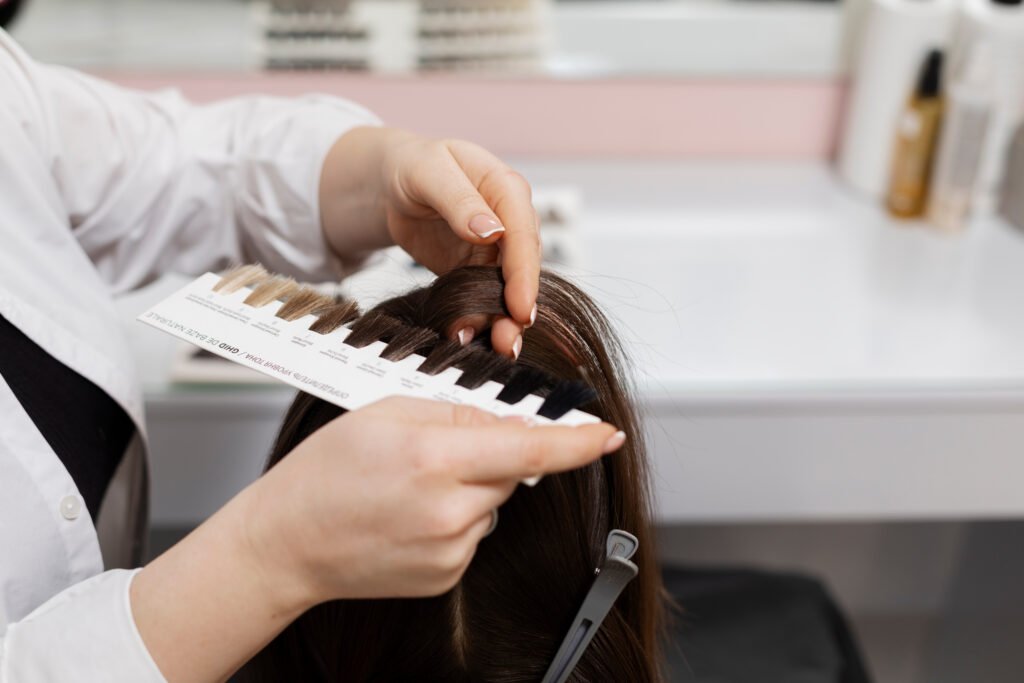
Hair growth starts below the surface. Even if your hair loss is caused by genetics or hormonal changes, your scalp’s condition can still affect how well your hair follicles function over time.
At Bio Organicare, we offer targeted scalp treatments for excessive hair fall. Our Scalp Activation & Regeneration programme uses PlasmaCell-X technology to support scalp circulation, responsiveness, and overall vitality. Combined with natural and organic formulations designed for sensitive and reactive scalps, we aim to create a healthier scalp environment that supports stronger, more resilient hair over time.
3. Incorporate Scalp-Friendly and Natural Products at Home
What you do between treatment sessions can significantly impact your scalp’s condition and maintain a more conducive environment for hair growth. For example, choosing a gentle shampoo that does not leave excessive residue, avoiding harsh products that may irritate the scalp, and keeping the scalp clean without over-washing can all contribute to better scalp balance over time.
At Bio Organicare, our bio-organic shampoos and home-care products are formulated without sulfates, parabens, alcohol, PEGs, or GMOs, making them suitable for sensitive and reactive scalps. We also offer natural hair growth tonics that can be incorporated into your daily routine to help nourish the scalp and support healthier-looking hair.
Conclusion
Hair loss can feel frustrating, but it is often a sign that something in the scalp, body, or hair growth cycle has changed. Rather than focusing only on the hair that is falling out, it is worth understanding what may be happening beneath the surface.
At Bio Organicare, our consultation-led approach focuses on identifying scalp concerns and recommending personalised solutions tailored to your needs. Whether you are experiencing increased shedding, postpartum hair loss, or simply want to improve your scalp condition, our team is here to help.
Contact us today to learn more about our scalp analysis, treatments, and home-care solutions.
Frequently Asked Questions
Q1: How much hair loss is considered normal?
Most people naturally shed between 50 and 100 hairs a day as part of the normal hair growth cycle. Since these hairs are often lost gradually throughout the day, you may not notice them individually.
However, if you suddenly find significantly more hair than usual on your pillow, in the shower, or on your hairbrush, or if you notice visible thinning alongside the shedding, it may be worth seeking professional advice.
Q2: Can hair grow back after thinning?
It depends on the underlying cause and how long the issue has been present. In some cases, hair may regrow once the trigger has been addressed. In others, early intervention may help support existing follicles before thinning progresses further.
Q3: Is it possible to prevent hair loss completely?
Not all forms of hair loss can be prevented, particularly those influenced by genetics or age-related changes. However, maintaining good scalp health, managing lifestyle factors, and seeking advice when concerns first appear may help support healthier hair growth over time.